Doral Chain-Reaction Crash Raises Questions of Liability Under Florida Modified Comparative Negligence Law
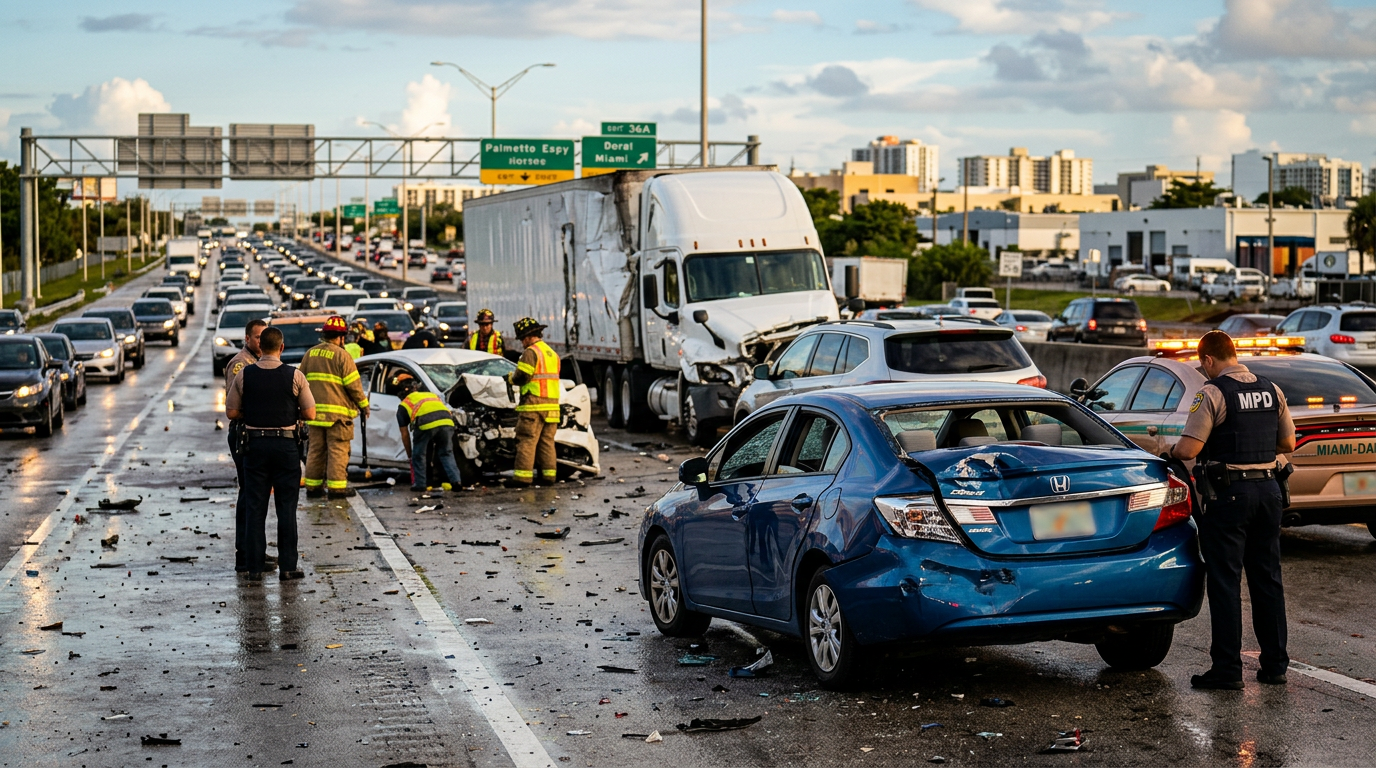
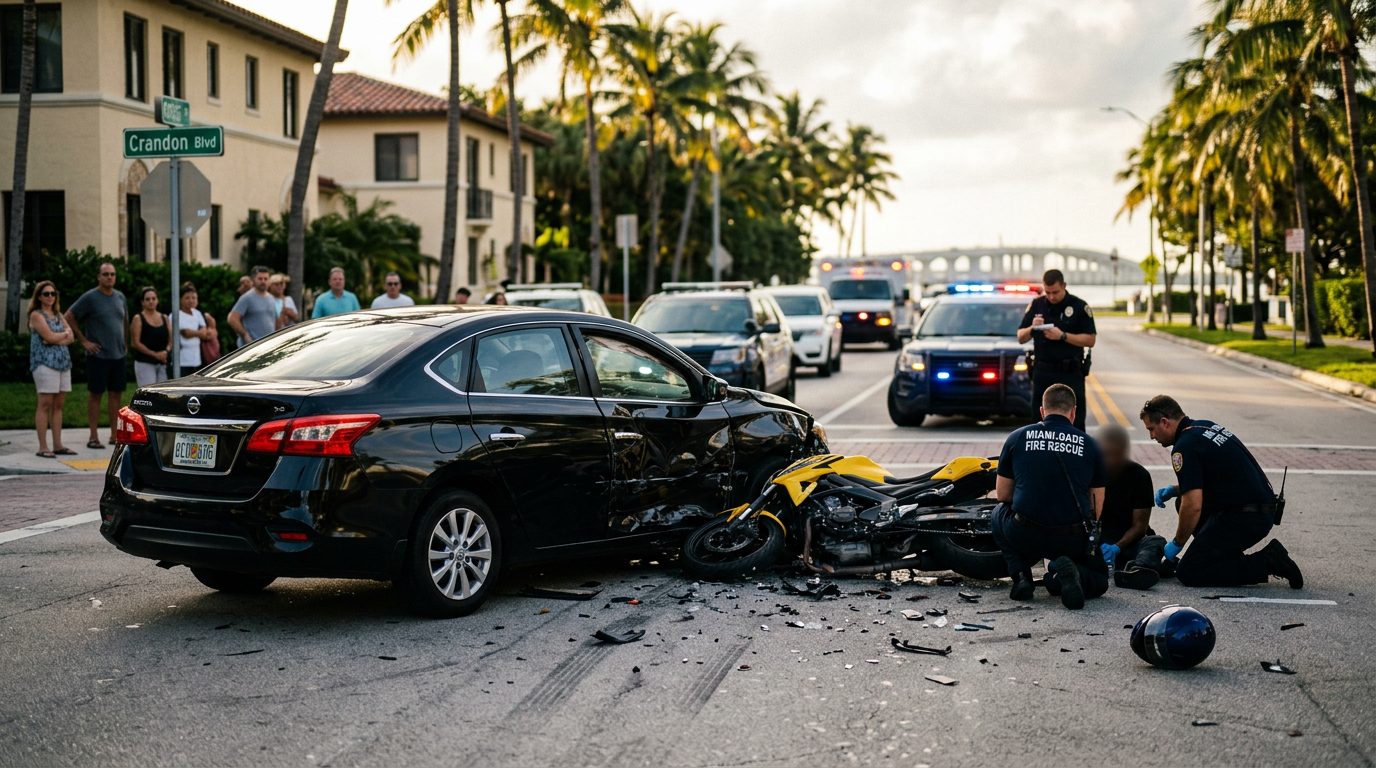
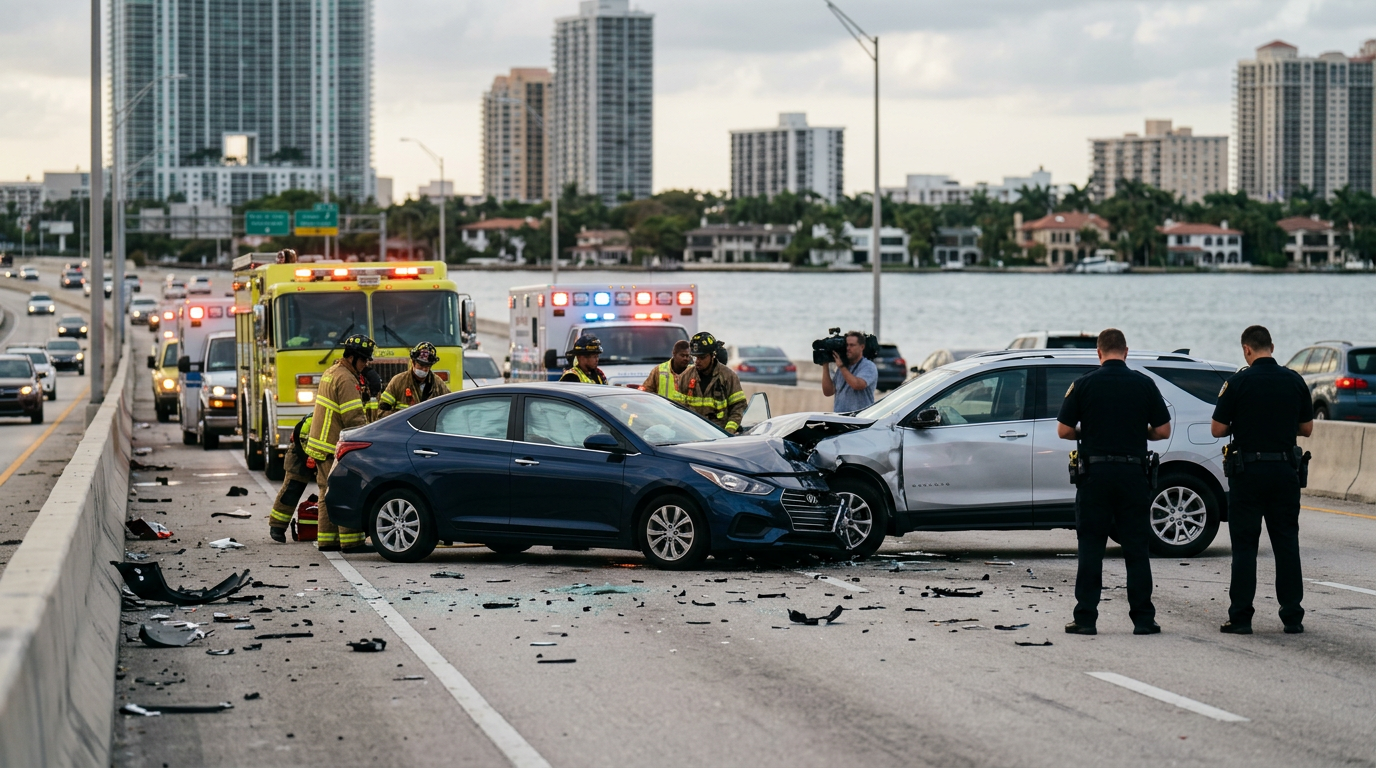
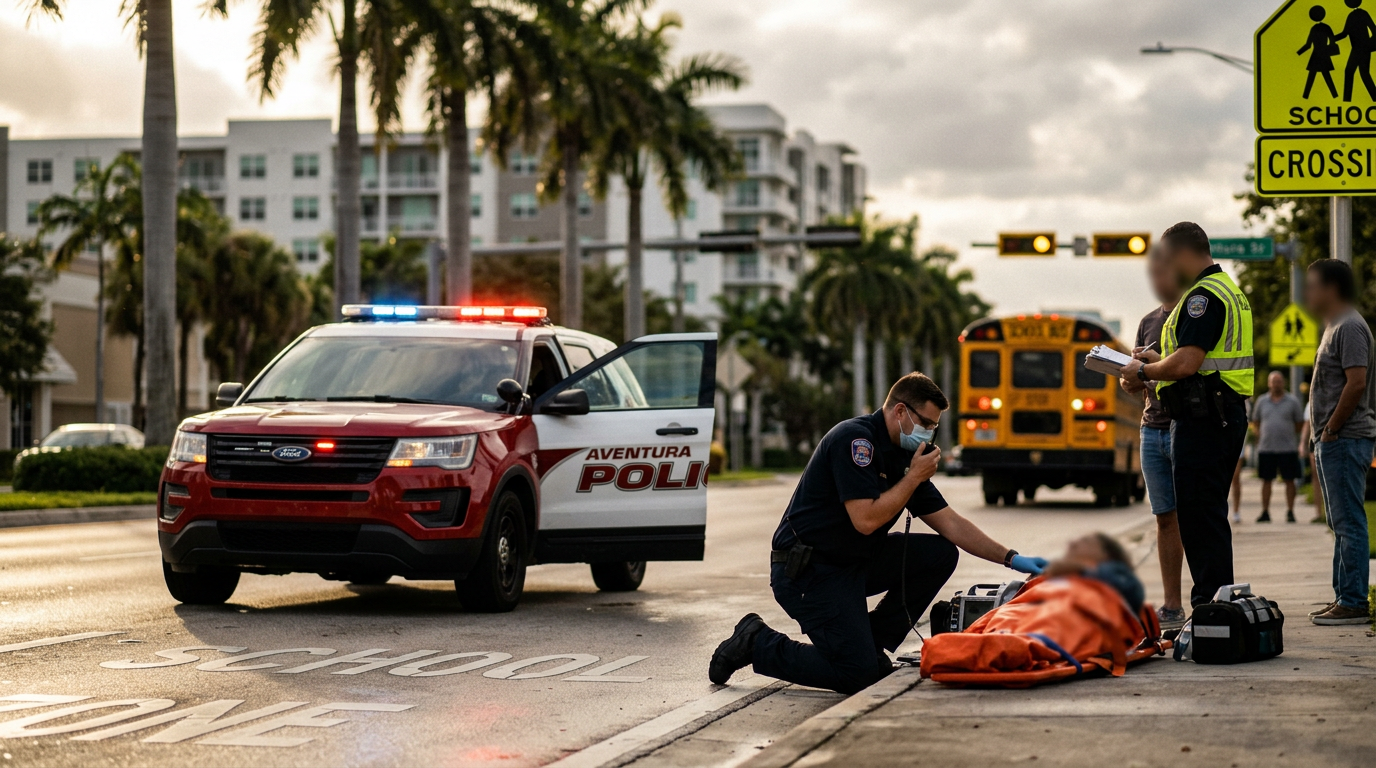
A multi-vehicle pileup occurred Tuesday afternoon in Doral along Northwest 87th Avenue, near the busy intersection of 36th Street. Initial reports suggest a chain-reaction began when a commercial van failed to slow down for congested traffic, striking a sedan that was subsequently pushed into a third vehicle. Emergency responders from Miami-Dade Fire Rescue arrived shortly after the collision to treat two individuals for neck and back injuries. One victim was transported to a local hospital for diagnostic imaging, while traffic remained snarled for several hours as crews cleared the wreckage and debris from the Northbound lanes.
Incidents like these often lead to complex insurance disputes regarding who was truly at fault for the initial impact. In a typical rear-end collision, the rear-most driver is frequently presumed negligent, but multi-car scenarios often involve shared responsibility among several parties. Witnesses noted that the middle vehicle may have been following the lead car too closely, which potentially exacerbated the force of the final impact. For those injured in such a tangle, determining the exact sequence of events is critical for securing a fair settlement through a personal injury claim, especially when medical bills begin to accumulate.
Under Florida Statute 768.81, the state recently transitioned to a modified comparative negligence system. This means that an injured driver is barred from recovering any damages if they are found to be more than 50 percent at fault for the accident. If a victim is 50 percent or less at fault, their total compensation is reduced by their specific percentage of responsibility. In this Doral crash, the insurance companies will likely attempt to shift blame onto the middle or lead drivers to avoid paying full claims, making the precise collection of evidence and police reports a vital component of the legal process.
Determining the exact breakdown of fault is not a simple task for the average motorist to handle alone while recovering from trauma. Our legal system requires a granular analysis of skid marks, dashcam footage, and vehicle telemetry to counter the aggressive tactics used by insurers to invoke the 51 percent bar rule. For those navigating the aftermath of a Doral collision, protecting your right to recovery depends on establishing a clear narrative of the other driver's negligence. Victims should prioritize documenting the scene and securing legal counsel before providing recorded statements to insurance adjusters who may use their words to assign undue fault.
Doral crash hotspots, hospitals & Florida law
Logistics & airport corridor — commercial trucks, FMCSR violations, big-rig pile-ups.
Were you involved in a similar Miami crash?
Talk to a Caraccidentmiami.com attorney now — free, confidential, 24/7.
305-244-5883