Downtown Miami Hydroplane Crash Highlights Critical 14-Day Medical Deadline Under Florida Insurance Laws
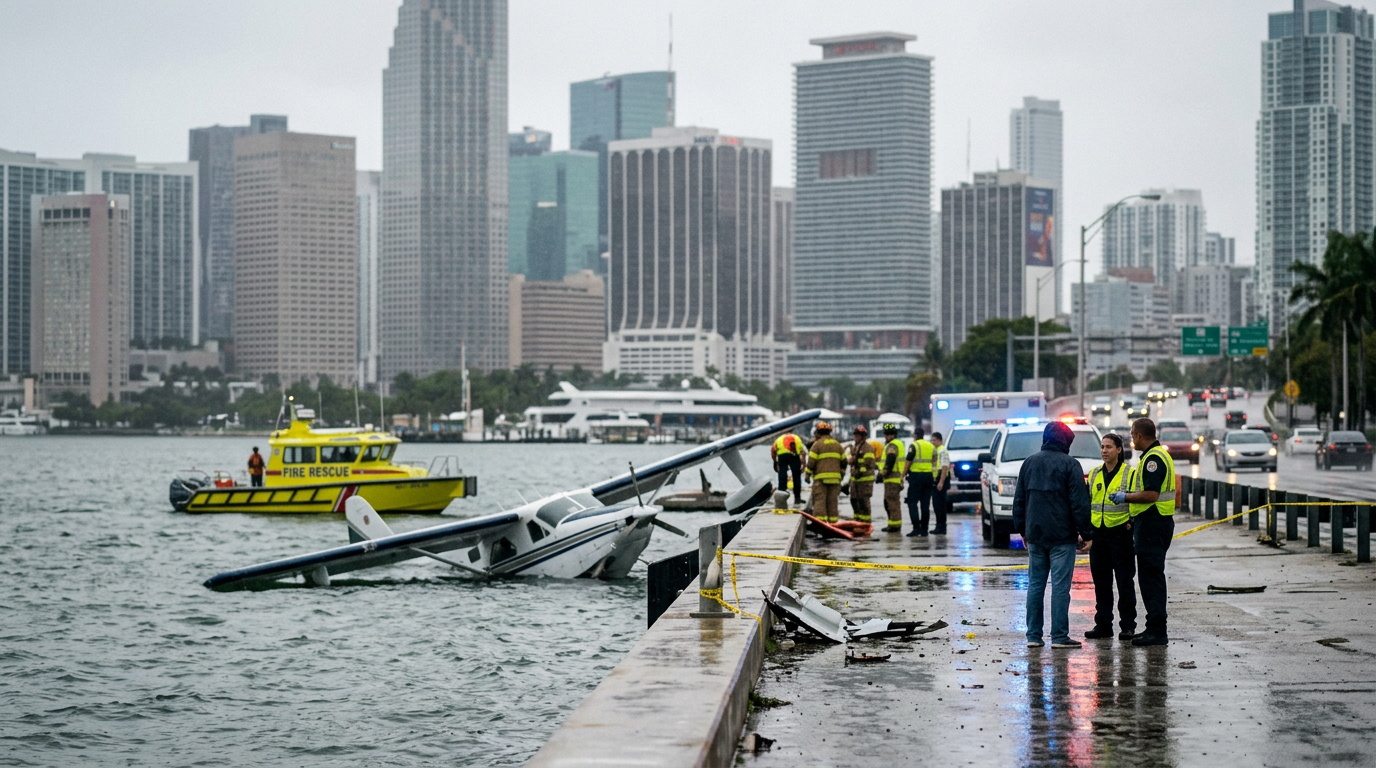
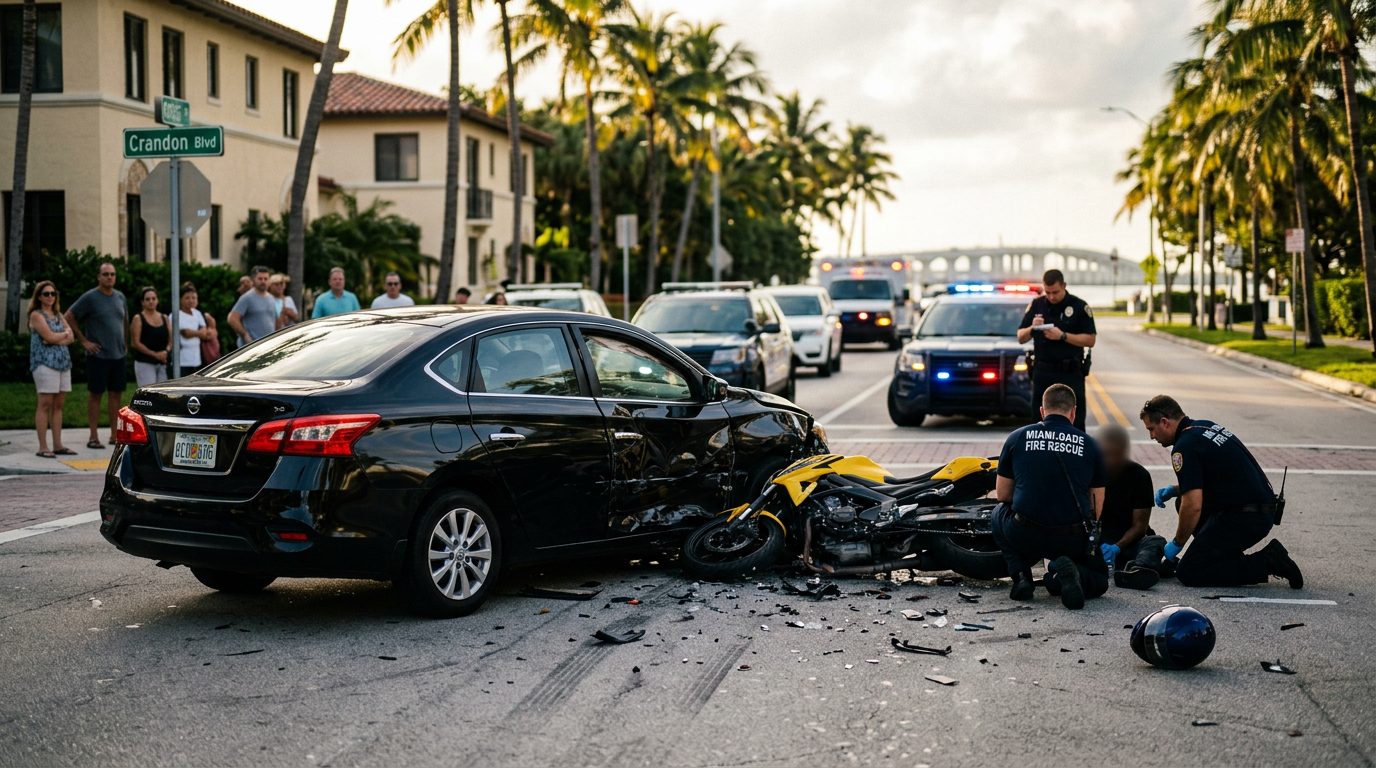
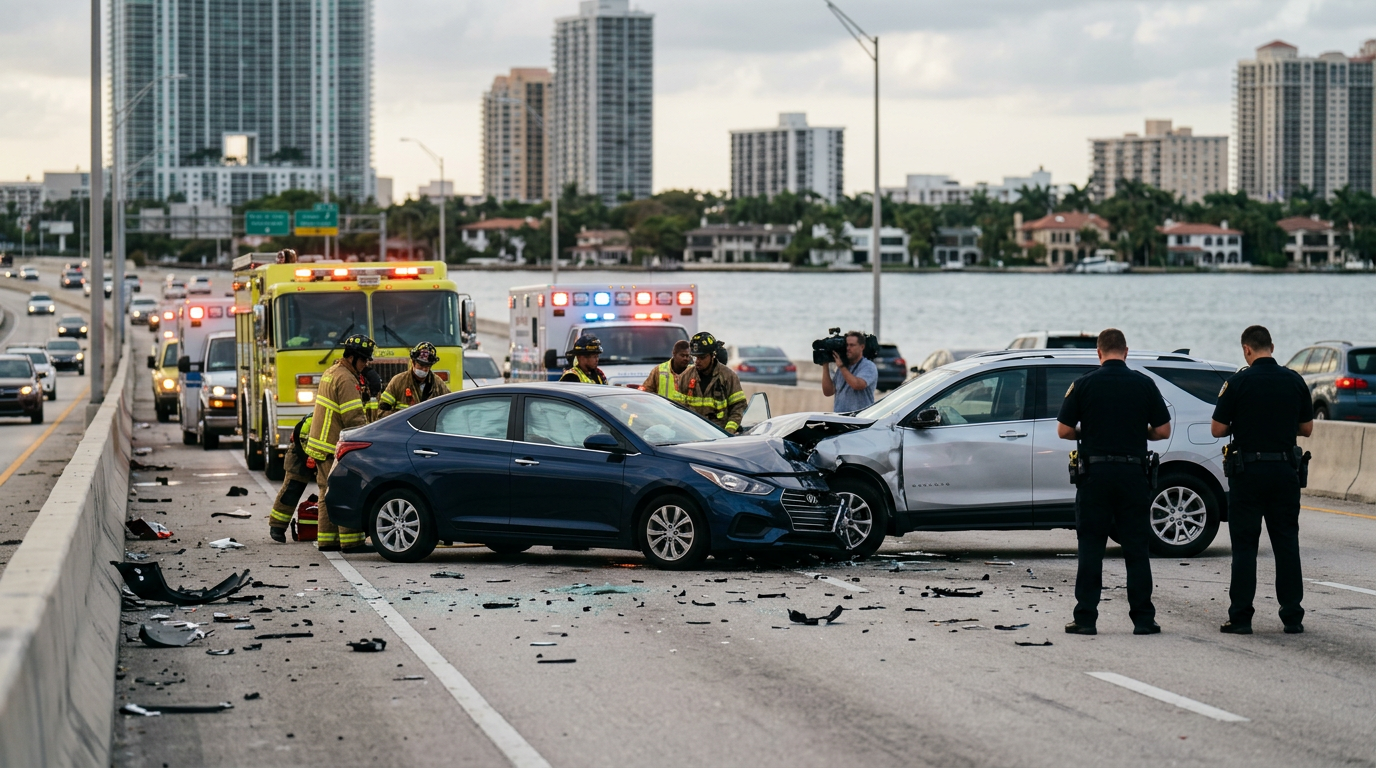
Traffic slowed to a crawl in Downtown Miami Tuesday afternoon following a significant hydroplaning accident on US-1 near the Interstate 95 interchange. According to initial reports, a northbound sedan lost traction on the rain-slicked asphalt, spinning across three lanes of traffic before colliding with a concrete barrier and two other vehicles. First responders arrived quickly to the scene, as heavy summer showers continued to compromise visibility and road safety for commuters traveling through the urban core.
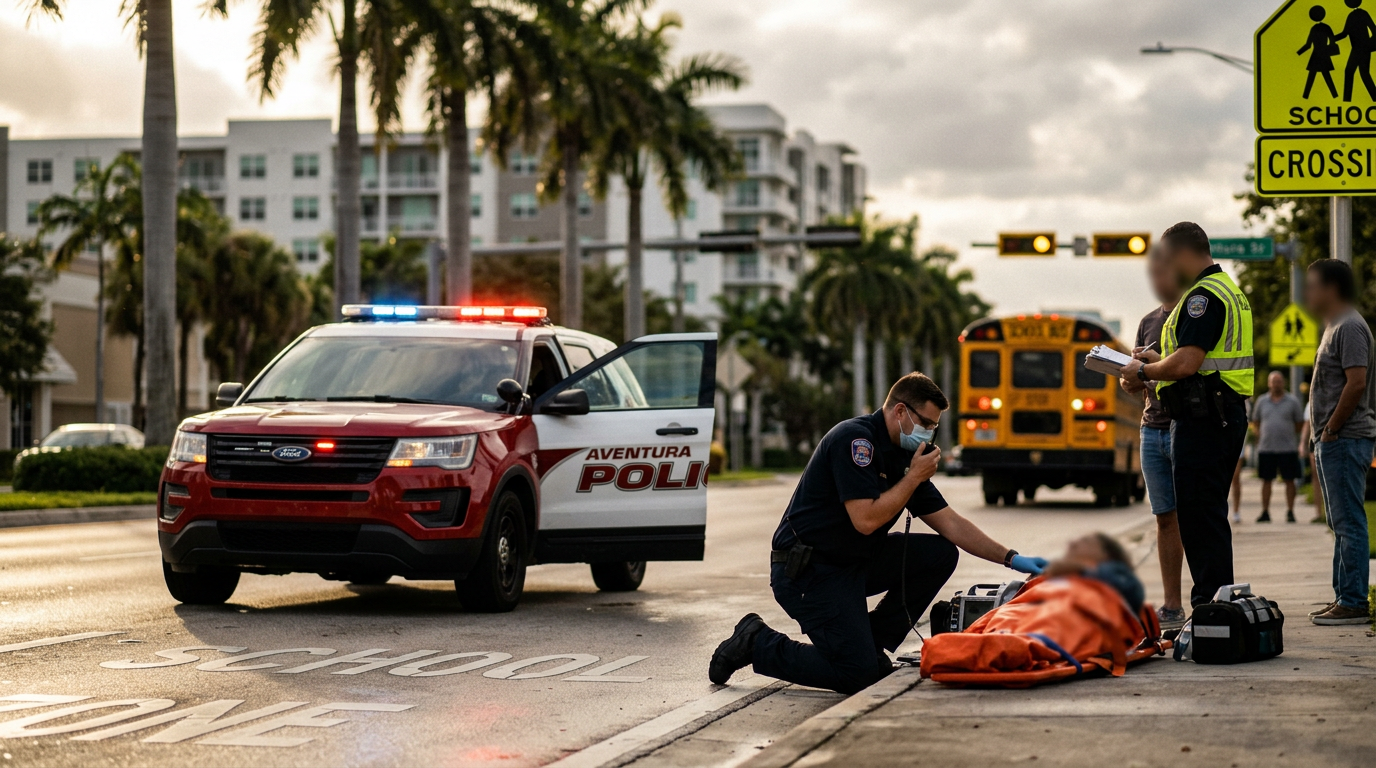
Paramedics treated two drivers on-site for concussions and soft-tissue injuries before transporting them to Jackson Memorial Hospital for further evaluation. While the physical damage to the vehicles was extensive, the unseen internal injuries often associated with high-impact collisions can be equally devastating if not diagnosed promptly. In the chaotic aftermath of a Downtown Miami crash, victims frequently overlook minor aches, unaware that these symptoms can escalate into chronic pain or permanent disability without professional medical intervention.
From a legal perspective, the timing of these medical evaluations is not just a matter of health, but a matter of securing essential financial rights. Under Florida Statute 627.736, commonly known as the Personal Injury Protection (PIP) law, victims must seek medical treatment within exactly 14 days of the accident. Failure to obtain an initial examination from a qualified physician or hospital within this two-week window can result in a total forfeiture of the $10,000 in medical and disability benefits provided by their own insurance policy.
The 14-day rule creates a narrow window for Downtown Miami residents to preserve their claims, regardless of who was at fault for the hydroplaning event. Many drivers mistakenly believe they can wait to see how they feel, but the statute is rigid and does not account for delayed symptoms. Navigating the intersection of medical necessity and insurance compliance is vital for ensuring that the costs of emergency room visits, diagnostic imaging, and subsequent rehabilitation are covered by the premiums victims have already paid.
Victims of local collisions should prioritize a full medical screening immediately after the incident to document every injury sustained. Obtaining an Official Medical Condition (EMC) designation within the statutory timeframe is the only way to unlock the full limits of your PIP coverage. Do not delay your professional evaluation, even if your symptoms seem manageable today, as a gap in treatment can provide insurance carriers with a legal loophole to deny necessary medical funding later.
Were you involved in a similar Miami crash?
Talk to a Caraccidentmiami.com attorney now — free, confidential, 24/7.
305-244-5883