Hialeah Multi-Vehicle Collision on Palmetto Expressway Highlights Complex PIP Coverage Rights for Pedestrians
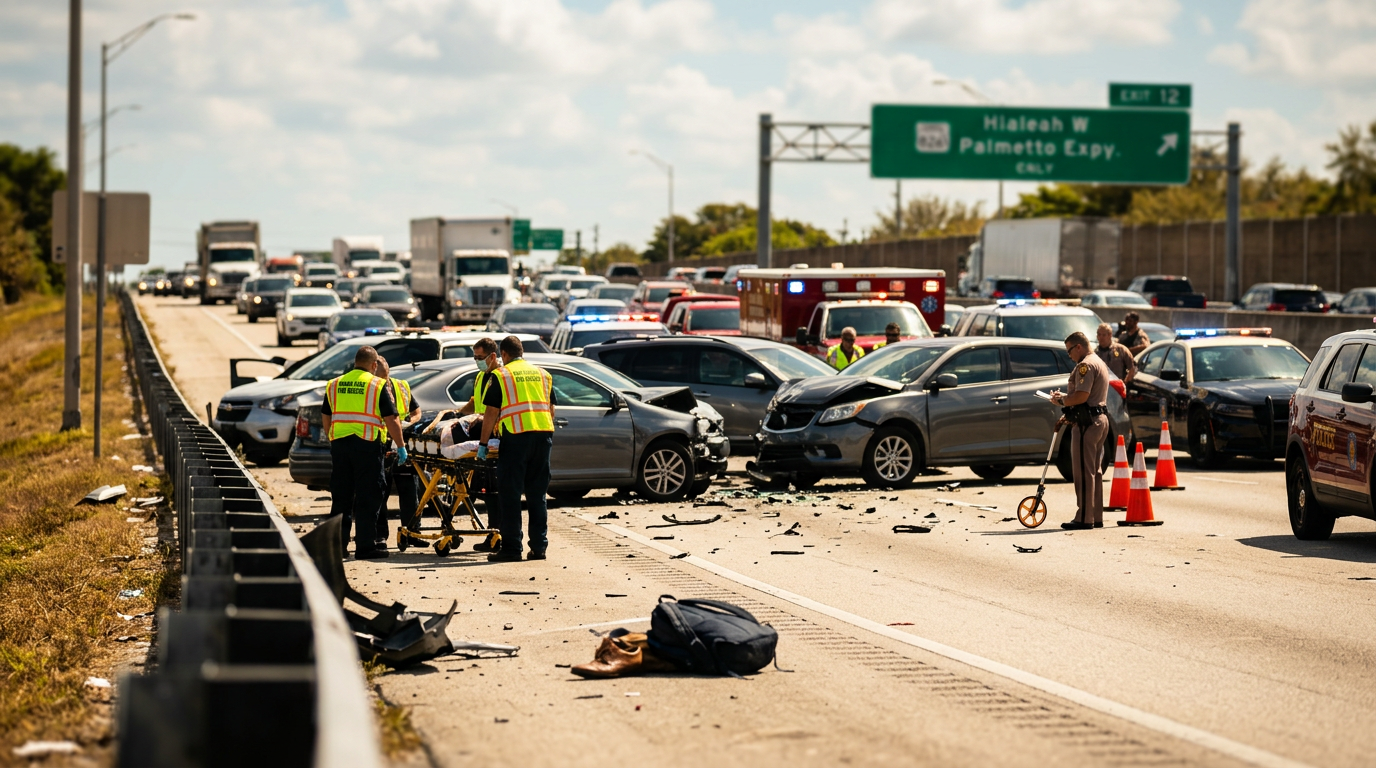
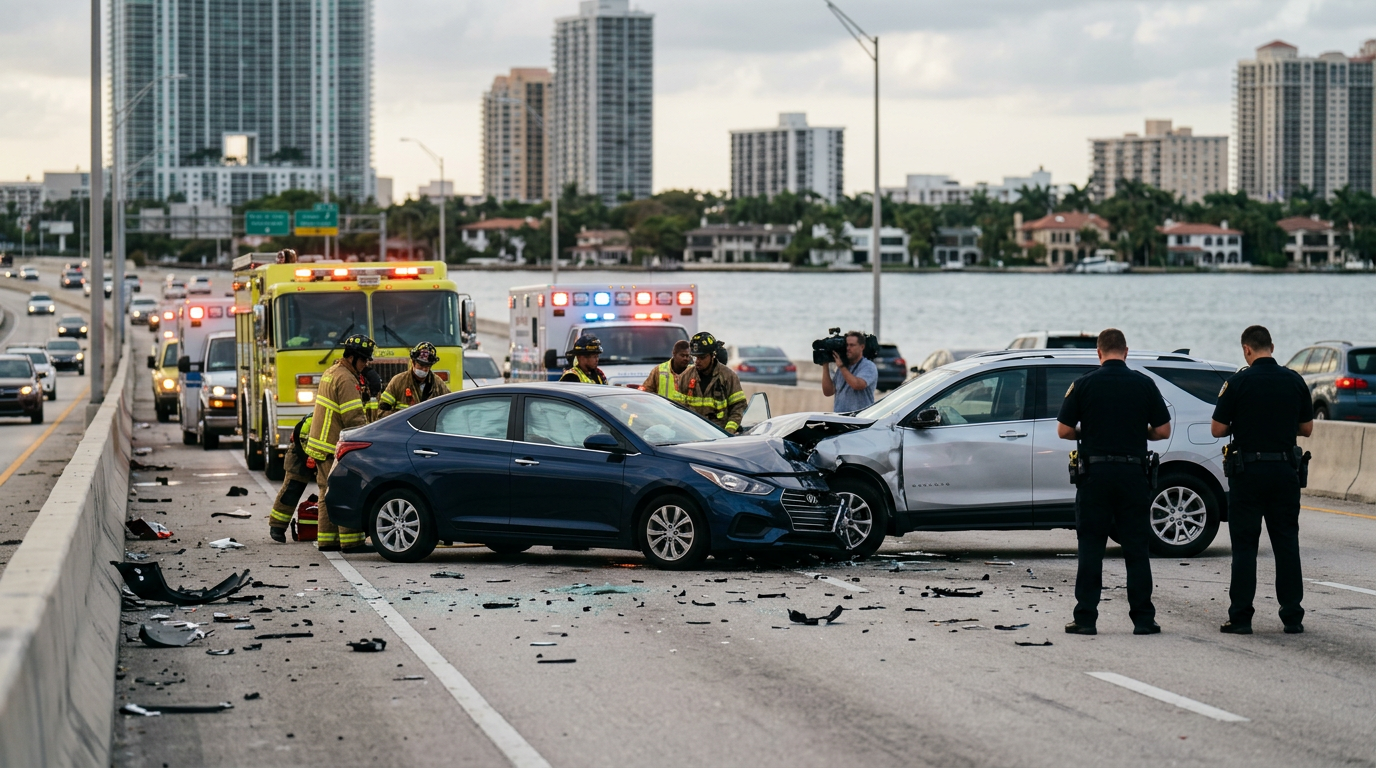
The Palmetto Expressway is notorious for dangerous merging patterns, particularly near the Hialeah interchanges where high speeds often lead to catastrophic rear-end collisions. Early Tuesday morning, a three-car pileup occurred when a sedan attempted to merge onto SR-826 Northbound, forcing following vehicles to swerve violently. One vehicle was pushed onto the shoulder, striking a bystander who was standing near a disabled vehicle. Miami-Dade Fire Rescue arrived on the scene shortly after, transporting the injured party to Jackson Memorial Hospital’s Ryder Trauma Center for treatment of severe lower-body injuries.
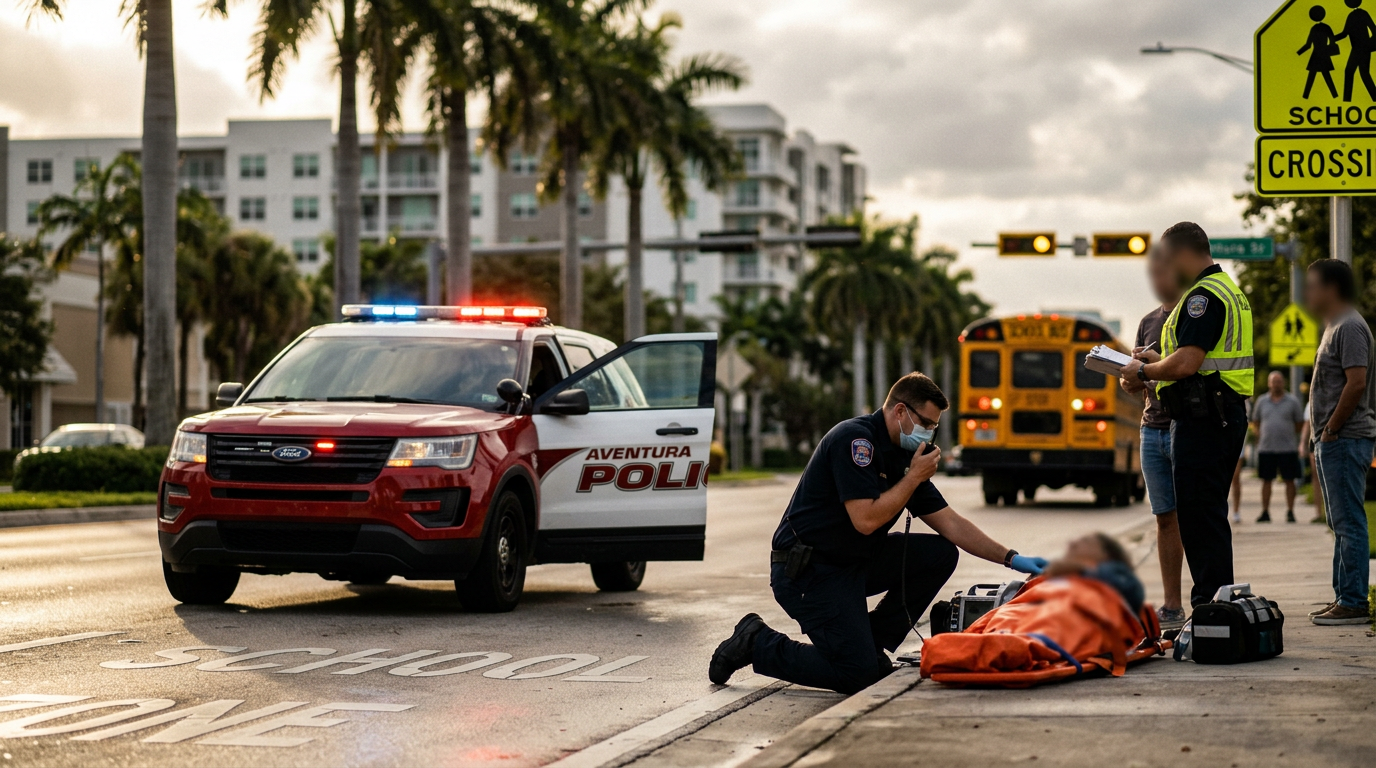
This incident serves as a critical reminder of the specific protections afforded by Florida's no-fault insurance system. While most drivers understand that their Personal Injury Protection (PIP) covers their own medical bills, many are unaware of how these benefits extend to those not inside a car at the time of the impact. Under Florida Statute 627.736(4)(d)(1), an insurer of the owner of a motor vehicle must pay PIP benefits to any person, other than the named insured, who sustains bodily injury while a pedestrian or bicyclist if that injury was caused by physical contact with the insured vehicle.
This statutory requirement is a cornerstone of victim protection in Miami, ensuring that a pedestrian struck by a vehicle can access up to $10,000 in immediate medical coverage through the driver's policy if the victim does not own a vehicle themselves. In dense neighborhoods like Hialeah, where foot traffic and vehicle congestion often overlap, this provision creates a necessary safety net for those who might otherwise face insurmountable hospital debts. However, securing these benefits requires strict adherence to the 14-day medical treatment rule which dictates the timeline for filing an initial claim.
Navigating the intersection of insurance statutes and liability in a multi-vehicle merger crash is rarely straightforward. Even when the law clear-cutly dictates that a driver's policy must cover a pedestrian, insurance carriers often seek to mitigate their responsibility by disputing the severity of the emergency medical condition. Victims must ensure their medical evaluations are meticulously documented by licensed professionals to satisfy the requirements of the Florida Motor Vehicle No-Fault Law. Failure to act within the statutory windows can result in a permanent loss of the benefits that were specifically designed to protect vulnerable road users.
Hialeah crash hotspots, hospitals & Florida law
Dense residential grid — high pedestrian volume, uninsured-driver rate above county average.
Were you involved in a similar Miami crash?
Talk to a Caraccidentmiami.com attorney now — free, confidential, 24/7.
305-244-5883