Homestead Pedestrian Struck in Miami Beach Highlights Complex Rideshare Insurance Coverage Tiers
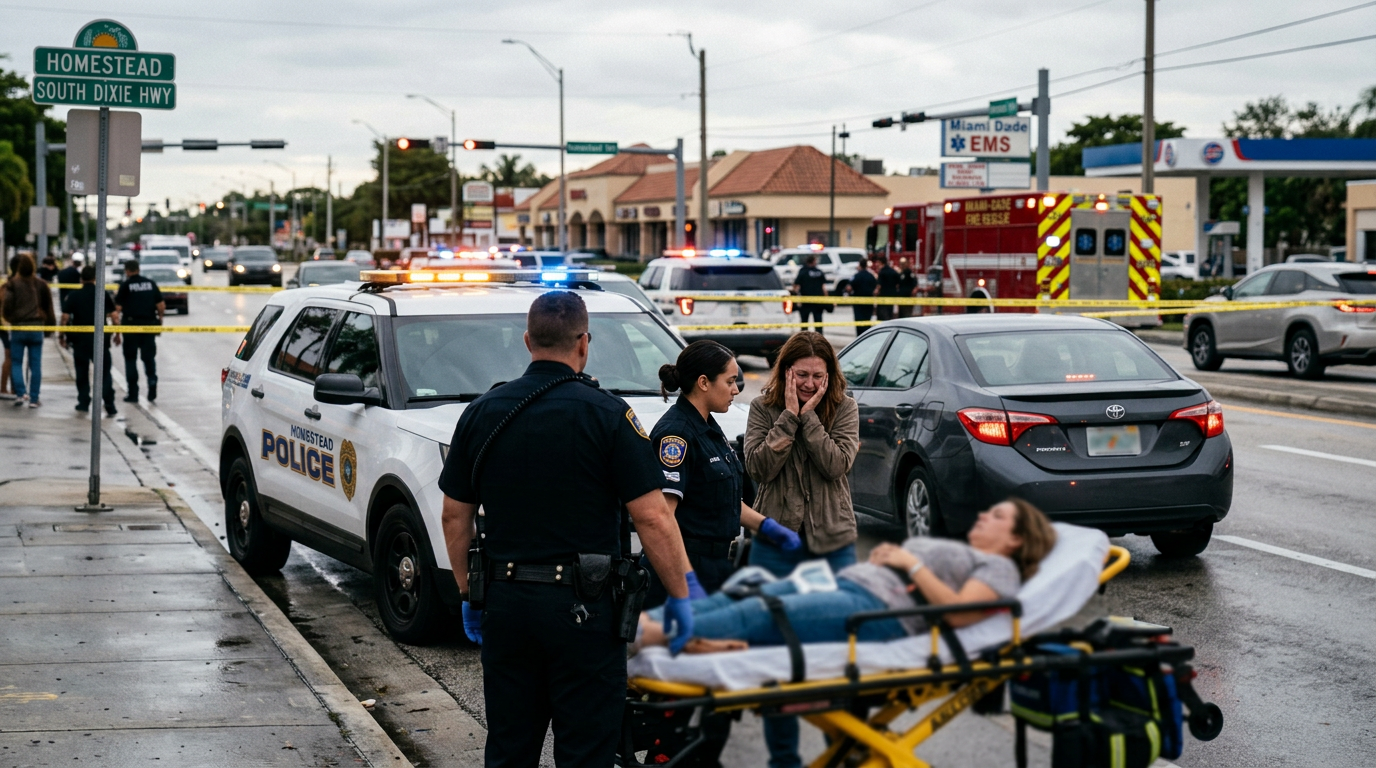
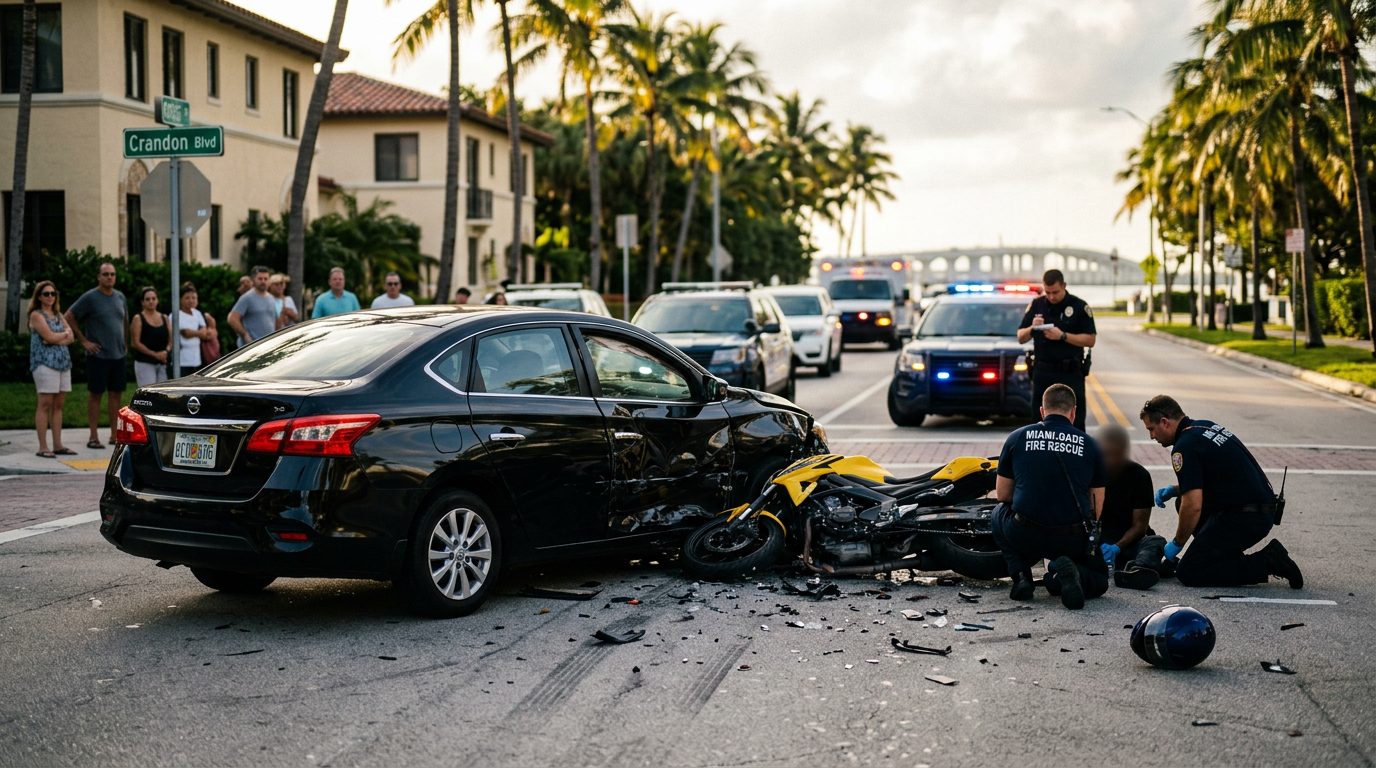
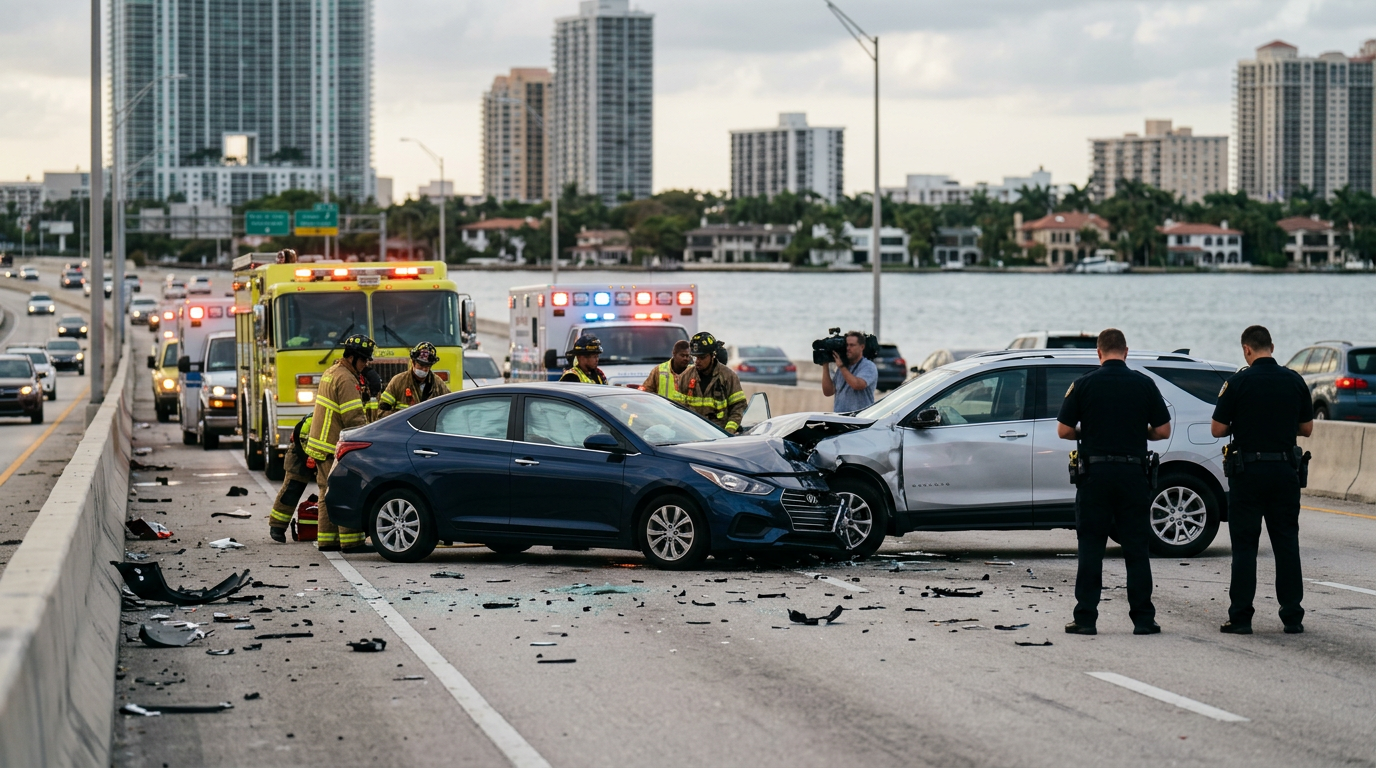
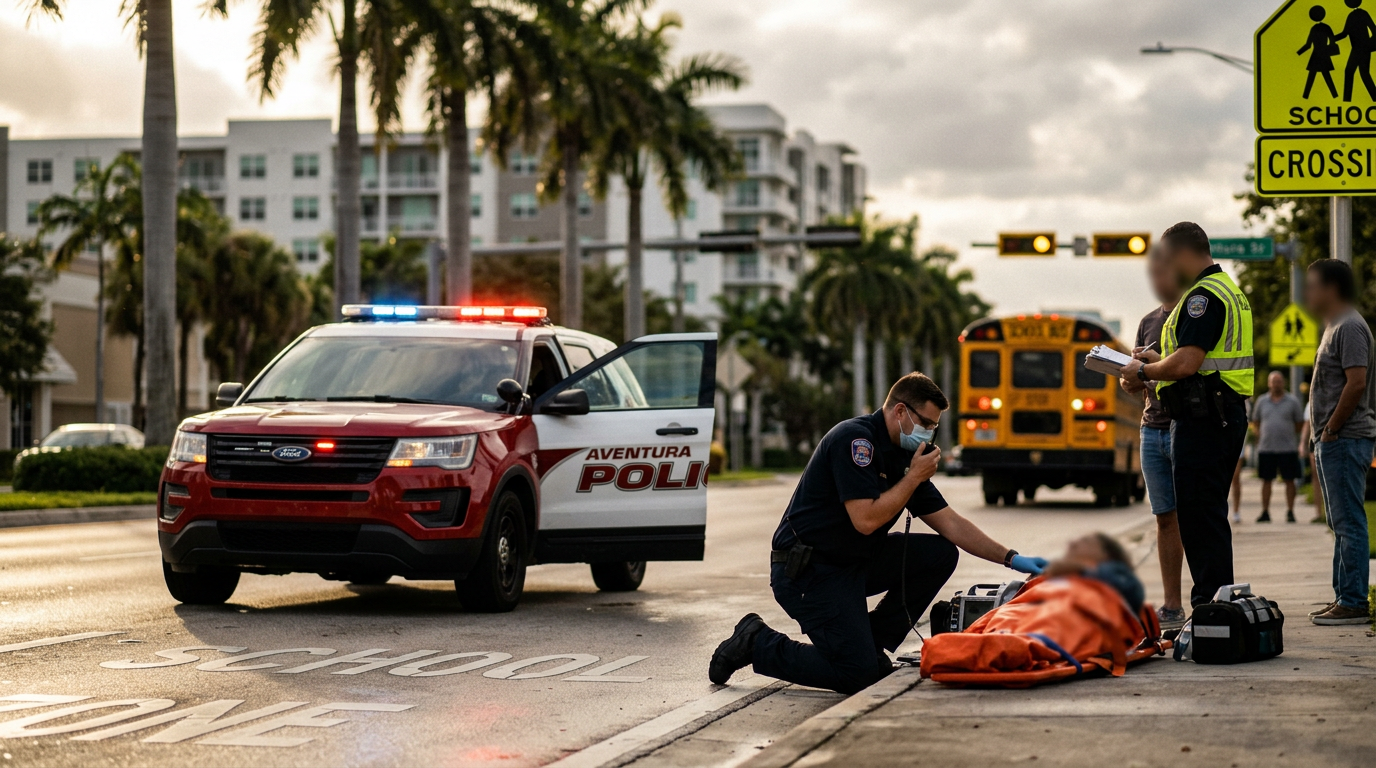
A Homestead man remains in stable condition at Jackson Memorial Hospital after being struck by a late-model sedan while traversing a marked crosswalk on Collins Avenue in Miami Beach late Tuesday night. Local authorities report that the driver was operating for a major rideshare platform at the time of the collision, though it remains unclear whether a passenger was actively in the vehicle. The victim suffered significant lower-extremity trauma and a suspected concussion, requiring immediate surgical intervention at the Ryder Trauma Center. This incident highlights the recurring dangers pedestrians face in high-traffic tourist corridors where distracted driving remains a persistent threat to public safety.
The legal complexity of this case hinges on the specific activities of the driver at the moment of impact. Under Florida law, specifically Section 627.748, the available insurance coverage is partitioned into three distinct periods that dictate the limits of liability. Period 1 occurs when the driver is logged into the app but has not yet accepted a ride request. During this phase, the law mandates lower liability limits, which can often prove insufficient for victims facing catastrophic medical bills and long-term rehabilitation costs. Determining the driver's exact digital status is a technical hurdle that requires immediate forensic preservation of app data to ensure the victim is not under-compensated.
If the driver had already accepted a fare or was actively transporting a rider, the incident moves into Period 2 or Period 3, where Florida statutes require the rideshare company to provide at least $1 million in primary third-party liability coverage. This substantial increase in available funds is often the only way for an injured pedestrian from Homestead to cover the soaring costs of intensive care and lost wages. Without a thorough investigation into the driver’s log, insurance companies may attempt to default to the lower coverage tiers of Period 1, or worse, deny the claim entirely if the driver's personal policy contains a commercial use exclusion that the driver failed to disclose.
For victims of such accidents, the path to recovery involves more than medical treatment; it requires a meticulous audit of the rideshare company's internal timestamps. Florida’s legal framework is designed to protect the public from the risks posed by the gig economy, but these protections are not self-executing. An injured party must proactively verify the driver’s status to trigger the appropriate level of coverage. Pedestrians should never assume that the driver's personal insurance card provided at the scene represents the full extent of available recovery. Securing an independent digital audit of the ride's telemetry is the most reliable method for ensuring that the statutory insurance maximums are applied to the claim.
Were you involved in a similar Miami crash?
Talk to a Caraccidentmiami.com attorney now — free, confidential, 24/7.
305-244-5883