Pedestrian Struck in Little Havana Hit-and-Run Near Biscayne as Legal Experts Warn of Evidence Loss
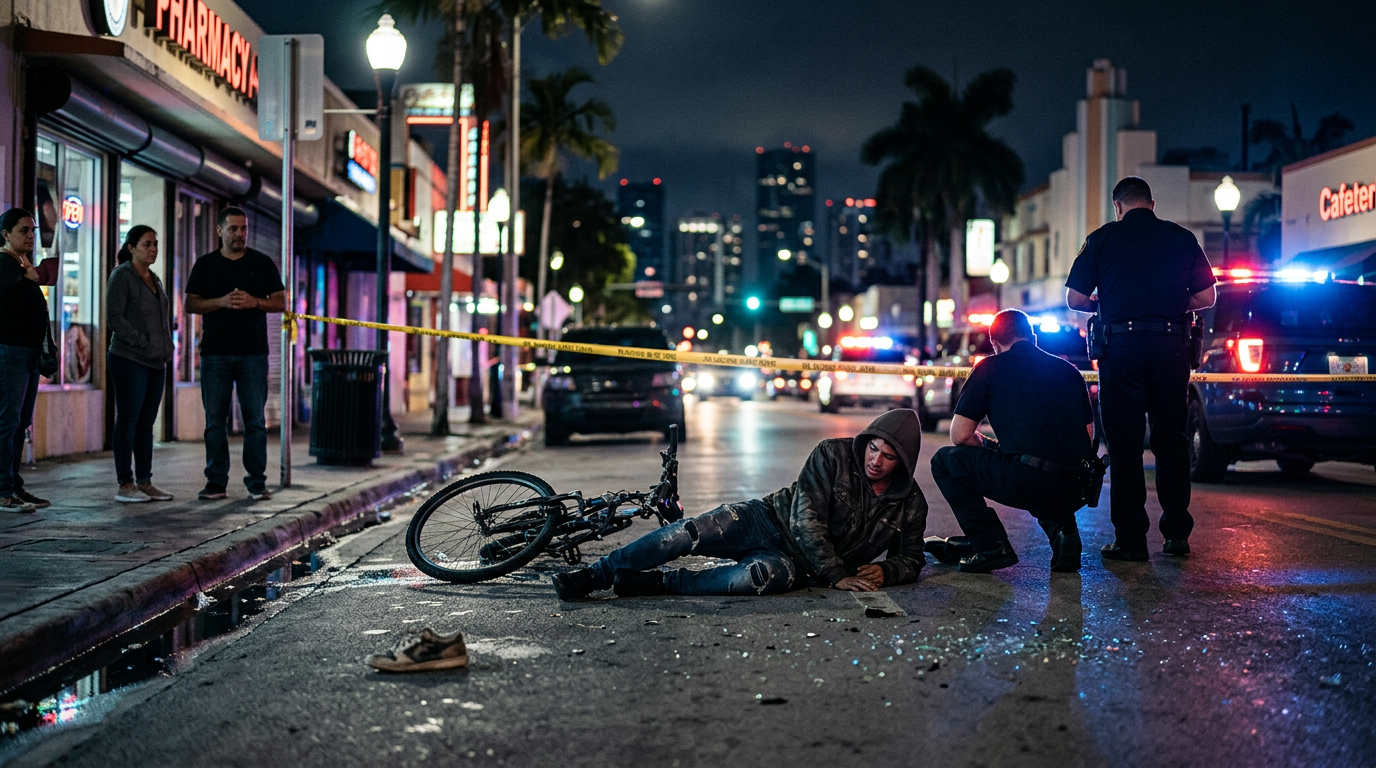
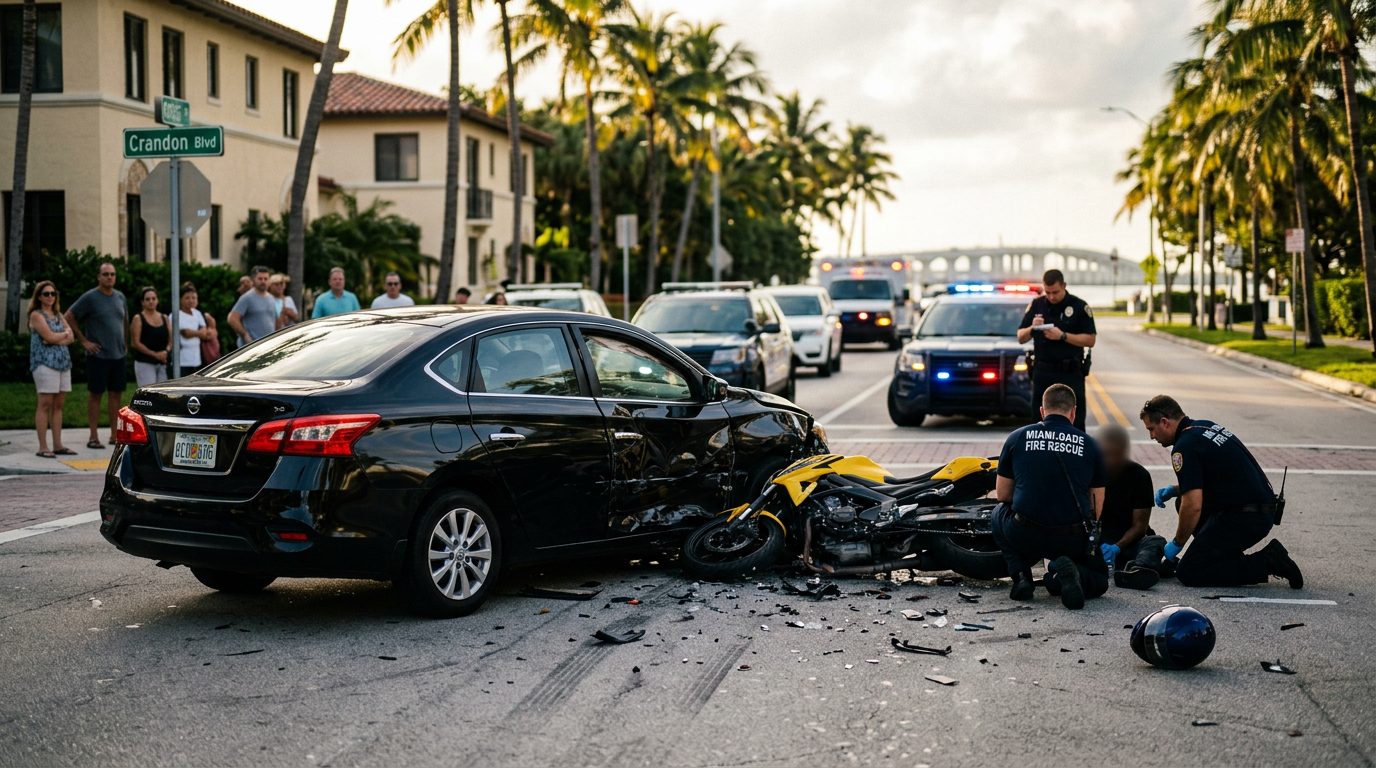
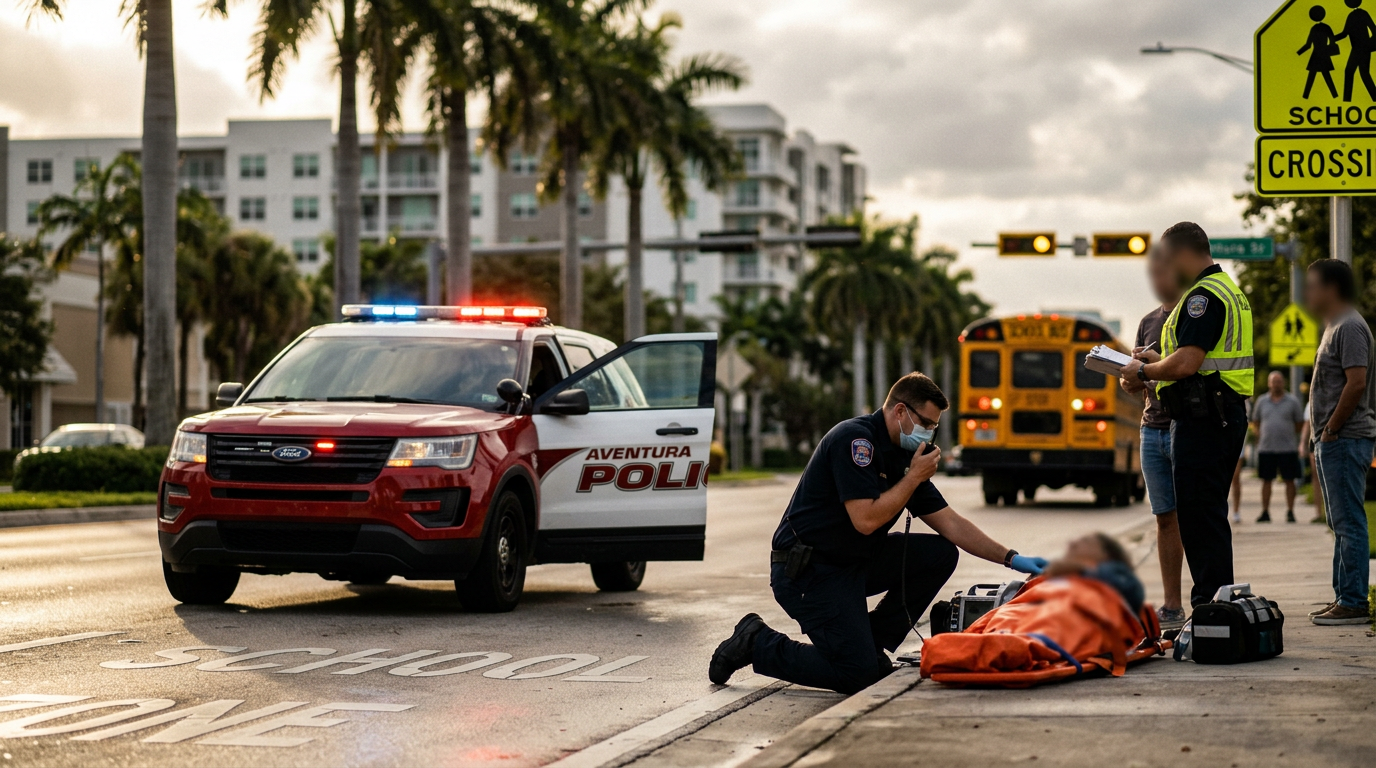
A severe hit-and-run incident occurring near the intersection of SW 8th Street and the outskirts of the Biscayne corridor has left a local man in critical condition. According to preliminary reports from the scene in Little Havana, the victim was crossing the street lawfully when a dark-colored SUV accelerated through a yellow light, striking the pedestrian and fleeing toward the Brickell area. Local emergency responders arrived within minutes to transport the victim to Jackson Memorial Hospital’s Ryder Trauma Center, where he remains under observation for multiple fractures and a suspected traumatic brain injury. The driver remains at large while investigators canvases the surrounding businesses for surveillance footage.
In the chaotic aftermath of a Miami hit-and-run, the physical evidence at the scene begins to disappear almost immediately. While police reports provide a baseline, they often lack the technical depth required to prove liability in a civil personal injury claim. For victims in Little Havana, the most critical evidence often resides inside the vehicles themselves or on private server systems managed by local businesses. This includes Event Data Recorders, commonly known as 'black boxes,' which log speed, braking, and steering inputs at the exact moment of impact. Without immediate legal intervention, this data can be overwritten or destroyed during routine vehicle repairs or standard data-retention cycles.
Florida law provides a vital mechanism for victims to protect their right to compensation through the issuance of formal spoliation letters. These legal notices place third parties and insurance companies on notice that they must preserve specific evidence, such as dashcam footage and Electronic Control Module (ECM) data. Under Florida's legal precedents regarding the 'spoliation of evidence,' if a party is notified of their duty to preserve evidence and fails to do so, the court may impose sanctions or allow a jury to infer that the destroyed evidence would have been unfavorable to the negligent party. This is a primary tool for holding hit-and-run drivers and their insurers accountable once the vehicle is located.
Navigating the recovery process after a catastrophic collision in the 33130 or 33135 zip codes requires more than just medical treatment; it requires a proactive forensic strategy. Victims should understand that the window for securing digital proof is narrow. Beyond the police investigation, securing private high-definition video from nearby storefronts and requesting the preservation of telematics data from any involved commercial vehicles are essential steps. Protective legal measures ensure that the truth of the impact is not lost to time or corporate negligence. Any person injured in a hit-and-run should prioritize the immediate identification and sequestration of all electronic recording devices to protect the integrity of their future claim.
Little Havana crash hotspots, hospitals & Florida law
Calle Ocho corridor — pedestrian-heavy, narrow lanes, frequent low-speed sideswipes.
Were you involved in a similar Miami crash?
Talk to a Caraccidentmiami.com attorney now — free, confidential, 24/7.
305-244-5883