
Pedestrian Struck Near Coconut Grove Waterfront Faces Complex Settlement Negotiations Under Florida Liability Statutes
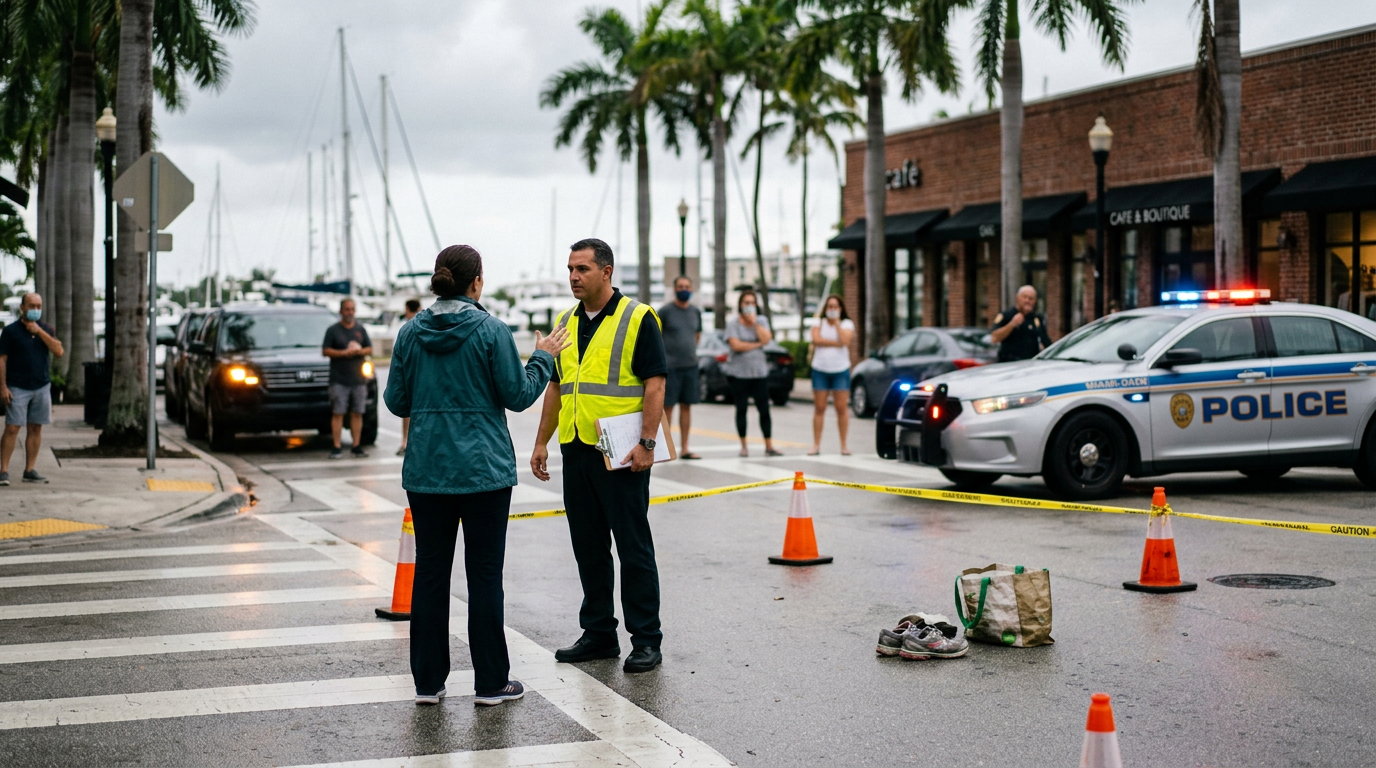
Emergency responders were dispatched to the vicinity of South Bayshore Drive in Coconut Grove late Tuesday evening following reports of a pedestrian struck by a late-model SUV. The victim was reportedly traversing a crosswalk near Peacock Park when a driver turning onto the main thoroughfare failed to yield the right-of-way. Miami Fire Rescue arrived quickly on the scene, providing immediate stabilization before transporting the injured individual to the Ryder Trauma Center at Jackson Memorial Hospital. Medical staff confirmed the victim sustained significant lower-extremity fractures and a suspected concussion, requiring immediate surgical intervention.
While the physical recovery for the victim is just beginning, the legal landscape surrounding the incident is increasingly complex. Initial police reports suggest the driver may have been distracted by a mobile device, yet investigators are also examining whether the pedestrian entered the crosswalk while the signal was transitioning. In Miami's dense traffic corridors, these factual disputes are common and can significantly impact the outcome of a personal injury claim. Under Florida law, the determination of fault is no longer a simple binary, making professional legal scrutiny of the police report essential for any chance of a successful recovery.
The primary legal hurdle in this case involves Florida's updated statutes regarding negligence. According to Florida Statute § 768.81, the state now follows a modified comparative negligence rule. This means that if a plaintiff is found to be more than 50 percent at fault for their own injuries, they are legally barred from recovering any damages from the other party. In Coconut Grove accidents where a pedestrian might have been momentarily distracted or outside the exact lines of a crosswalk, insurance companies frequently attempt to shift the majority of the blame onto the victim to avoid paying out significant settlements for medical bills and lost wages.
For victims who are found to be 50 percent or less at fault, their total compensation is reduced by their specific percentage of responsibility. For example, if a jury determines a pedestrian was 20 percent responsible for the accident due to their own actions, their total award would be reduced by that same 20 percent. Because the difference between 50 percent and 51 percent fault is the difference between a settlement and zero recovery, it is vital to document the scene thoroughly. Residents should secure independent witness statements and nearby surveillance footage immediately, as these evidentiary pieces are the only defense against aggressive insurers seeking to hit the 51 percent threshold.
Were you involved in a similar Miami crash?
Talk to a Caraccidentmiami.com attorney now — free, confidential, 24/7.
305-244-5883

