Rainy Night Hydroplane Crash on US-1 Near Miami Beach Highlights Complex Rideshare Insurance Layers
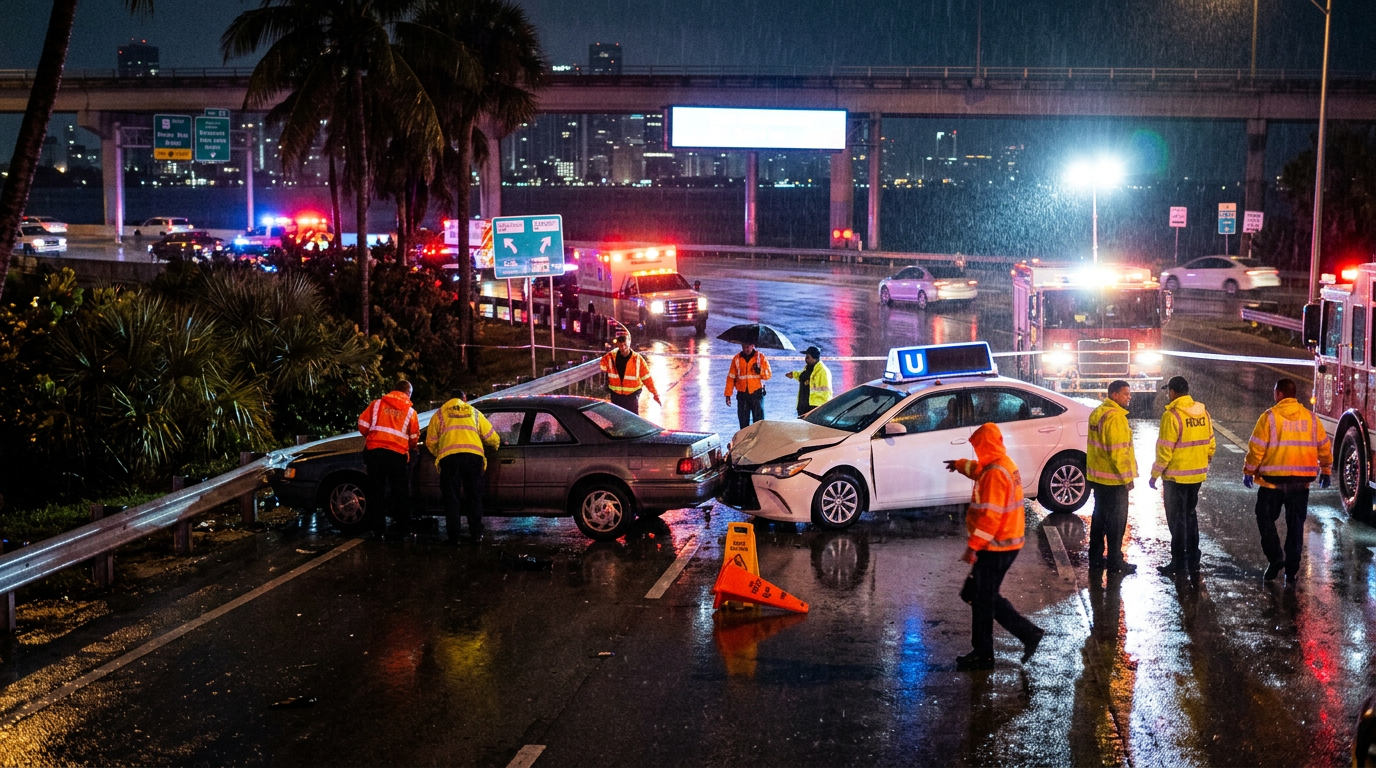
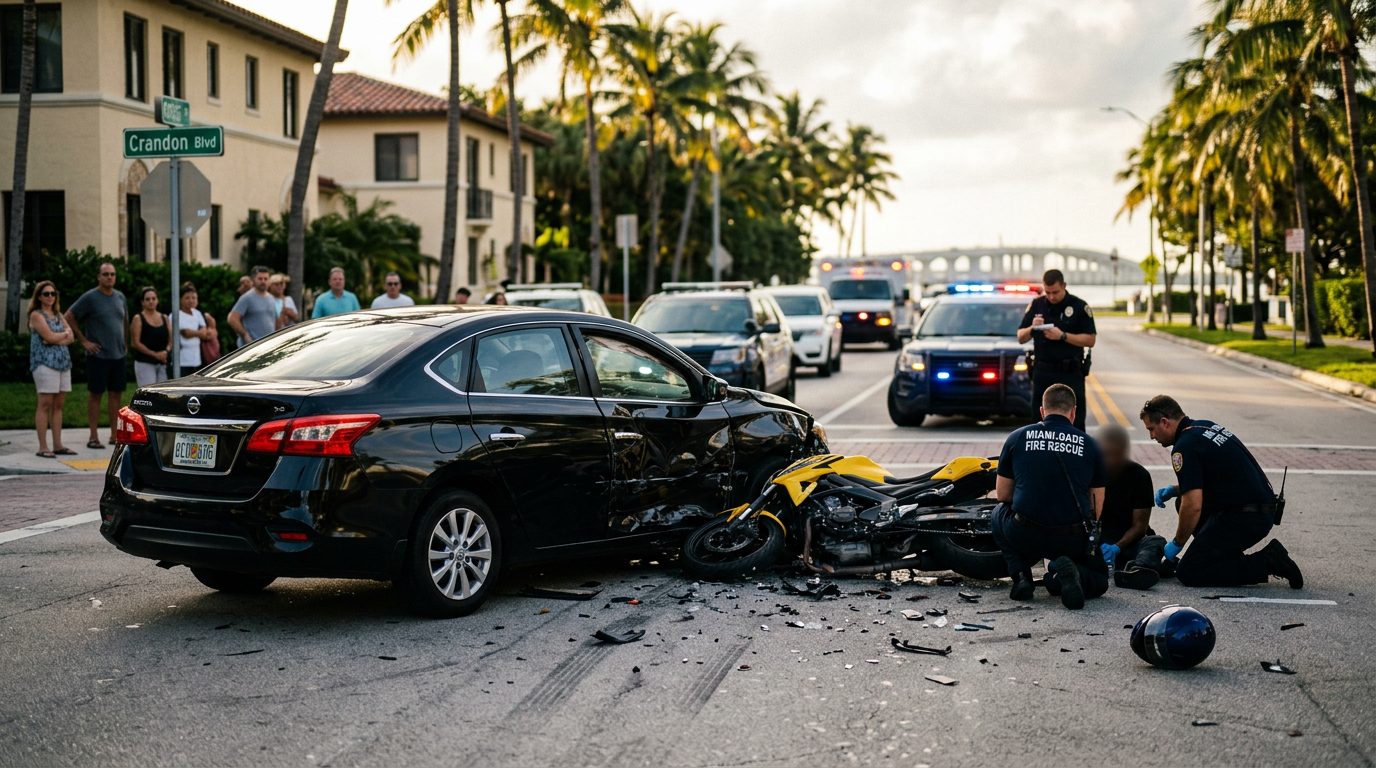
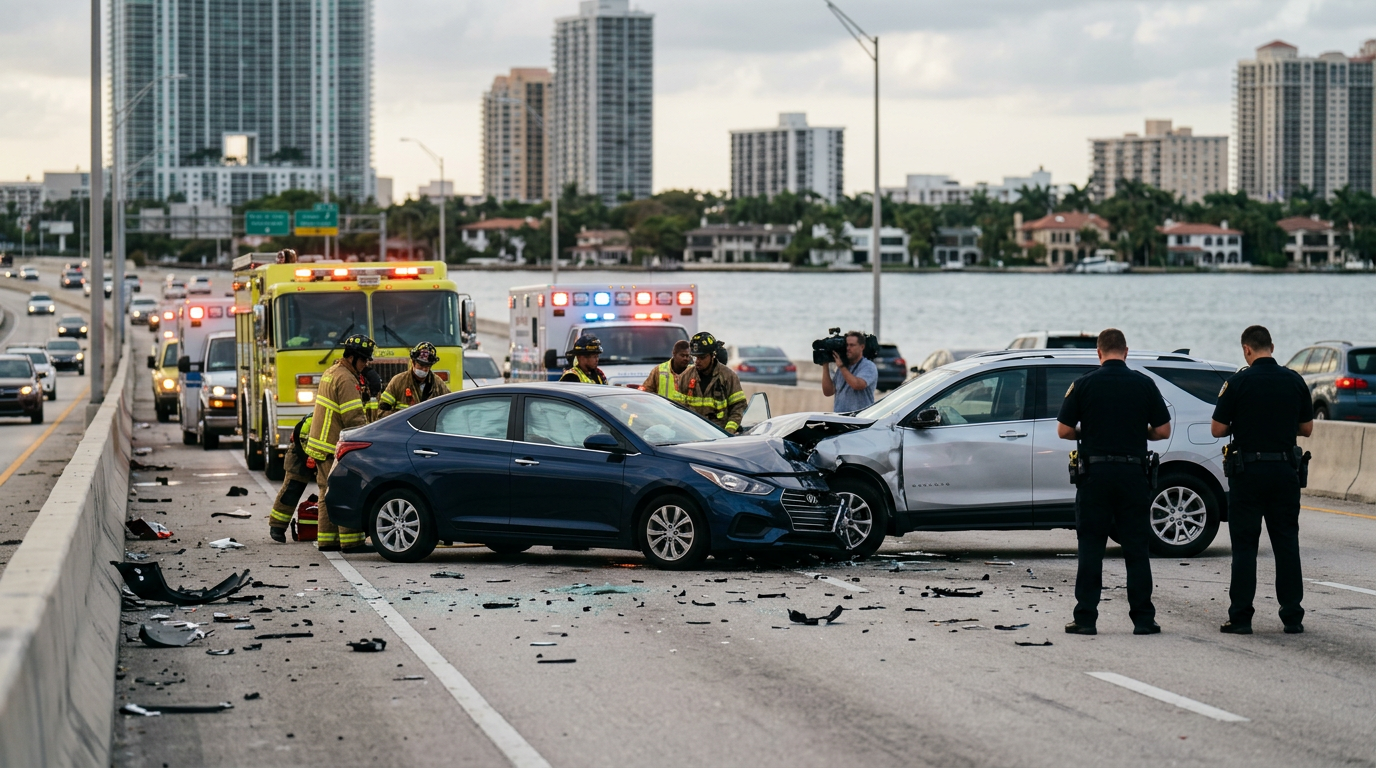
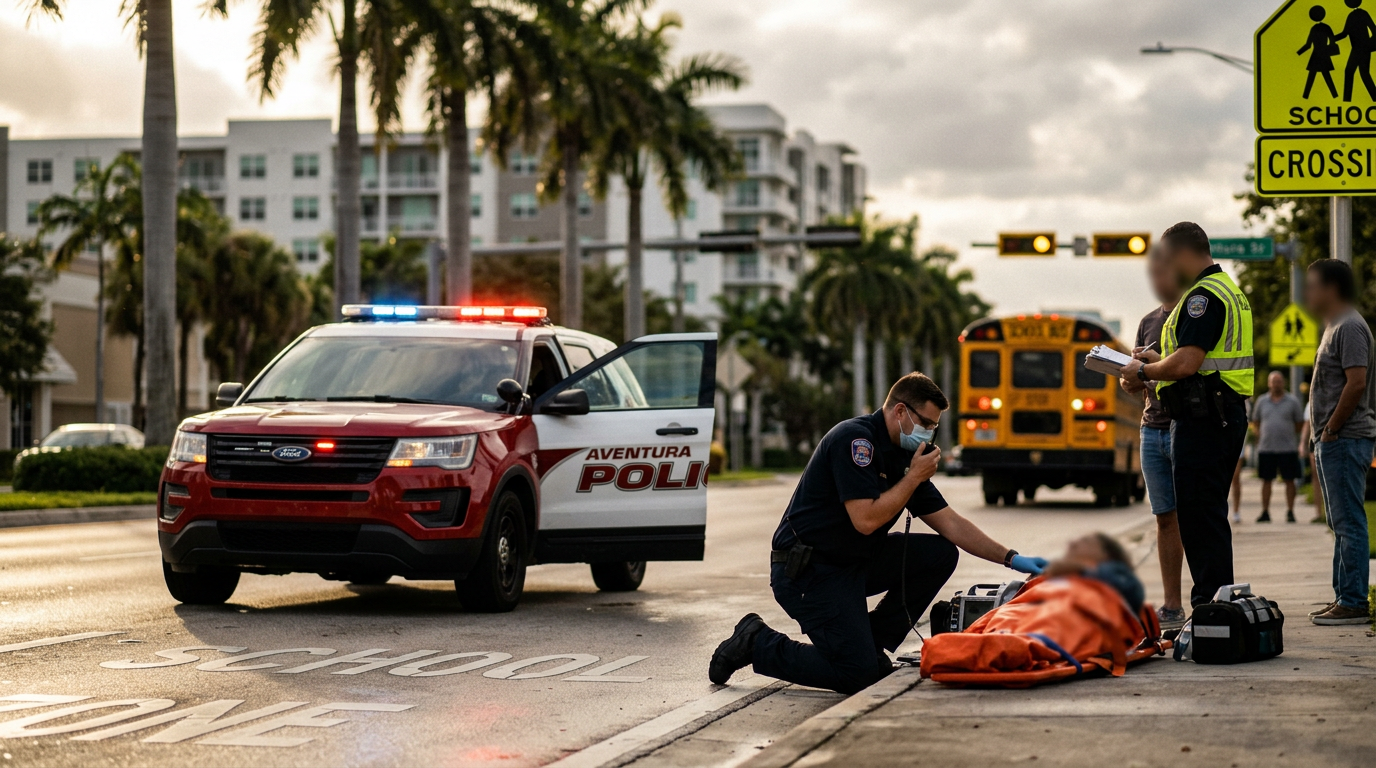
A heavy downpour late Tuesday evening resulted in a dangerous hydroplaning incident on US-1 near the entrance to the MacArthur Causeway, an area frequently traveled by those commuting to and from Miami Beach. Local authorities report that a late-model sedan lost traction on the slick asphalt, spinning across three lanes of traffic before colliding with a concrete barrier and an oncoming vehicle. Paramedics arrived on the scene shortly after 9:00 PM to treat multiple individuals for injuries ranging from severe lacerations to suspected spinal trauma. Victims were stabilized on-site before being transported to Jackson Memorial Hospital’s Ryder Trauma Center for comprehensive evaluation and emergency care.
Early investigations suggest that one of the vehicles involved was active on a popular rideshare platform at the time of the impact. In Miami’s dense traffic environment, these accidents introduce significant legal complexity regarding which insurance policy is primary. Florida law distinguishes between three distinct 'period' phases for rideshare drivers, each offering different levels of liability protection. Whether a driver was merely logged into the app, reaching for a digital dispatch, or actively transporting a fare determines whether the driver’s personal policy or the corporate commercial policy applies. Identifying the exact status of the driver at the millisecond of impact is often the most contentious part of the recovery process.
The legal framework governing these incidents is primarily defined by Florida Statute 627.748, which mandates specific insurance requirements for Transportation Network Companies (TNCs). Under Period 1, where the driver is logged in but has no ride request, the law requires lower liability limits. However, once a driver accepts a request (Period 2) or has a passenger in the vehicle (Period 3), the coverage must increase significantly, often providing up to $1 million in total liability coverage. For victims on the rain-slicked roads of Miami Beach, the difference between these periods can mean the difference between a capped settlement and full compensation for lifelong medical expenses and lost wages.
Recovering damages after a hydroplaning accident involves more than just proving the weather was a factor; it requires a forensic look at digital logs and cellular data to pin the driver’s status. Because rideshare companies often attempt to distance themselves from liability by citing the driver’s independent contractor status, victims must act quickly to preserve electronic evidence. Under Florida’s current statutes, the burden often falls on the injured party to demonstrate that the commercial policy was active. Victims should prioritize obtaining the driver’s app status immediately following a crash to ensure they are not left pursuing an underinsured personal policy when a $1 million corporate policy should be active.
Were you involved in a similar Miami crash?
Talk to a Caraccidentmiami.com attorney now — free, confidential, 24/7.
305-244-5883