
Serious Hit-and-Run on South Bayshore Drive Raises Critical Questions of Florida Comparative Negligence
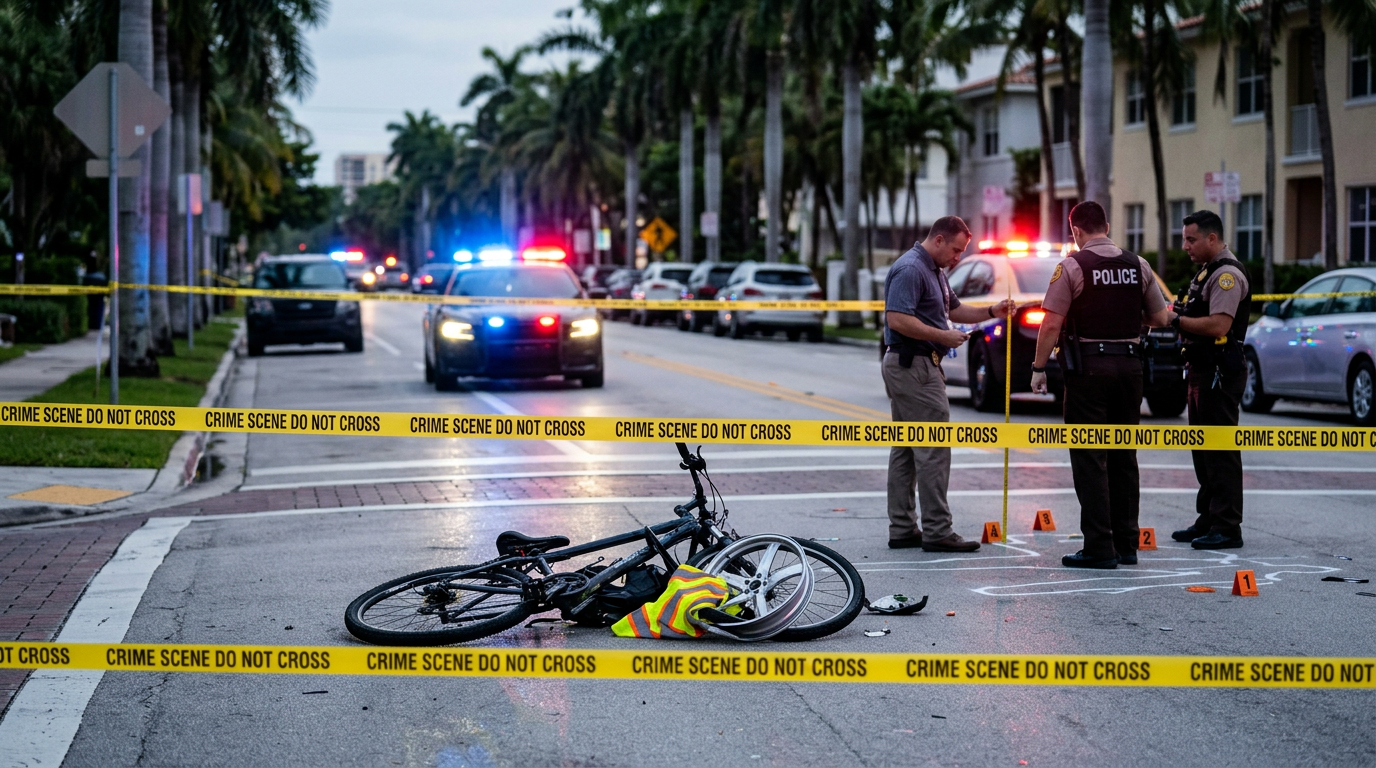
A chaotic scene unfolded late Tuesday night in Coconut Grove when a silver sedan traveling at a high rate of speed struck a stationary SUV near the intersection of South Bayshore Drive and Darwin Street. According to preliminary reports, the driver of the sedan fled the scene on foot before authorities arrived, leaving the victim trapped inside their vehicle. City of Miami Fire Rescue responded quickly to the location, extricating the victim and transporting them to Jackson Memorial Hospital’s Ryder Trauma Center for treatment of significant internal injuries and multiple fractures.
While investigators search for the registered owner of the fleeing vehicle, the legal aftermath of the crash highlights a complex shift in Florida personal injury law. In many Miami accidents, insurance companies and defense counsel attempt to shift the blame onto the injured party to avoid paying full damages. Under previous laws, a victim could recover damages regardless of their own level of fault, but recent legislative changes have introduced a much stricter threshold for those seeking compensation through the court system.
Central to this case is Florida’s modified comparative negligence rule under Florida Statute section 768.81. This law dictates that a plaintiff is barred from recovering any damages if they are found to be more than 50 percent at fault for their own injuries. In a hit-and-run scenario, even if the other driver committed a crime by fleeing, the insurance carriers may still investigate the victim’s actions—such as their lane positioning or speed—to argue that the victim bears the majority of the responsibility for the impact.
For residents of Coconut Grove and the surrounding Miami area, understanding the 51 percent bar is essential for protecting a future claim. If a jury determines that a victim was 51 percent responsible for the accident, they receive nothing, regardless of how severely they were hurt or how reckless the other driver behaved. This makes the immediate collection of witness statements and traffic camera footage from local businesses near the Grove’s waterfront essential to proving the other party’s primary liability.
Victims must realize that the clock begins ticking the moment a collision occurs, and the evidence gathered at the scene is the only defense against a comparative fault allegation. Determining the exact sequence of events is the only way to ensure the 50 percent threshold is not exceeded. Before speaking with any insurance adjuster who may be looking for admissions of fault, injured parties should secure all available forensic data to prove they were not the primary cause of the incident.
Were you involved in a similar Miami crash?
Talk to a Caraccidentmiami.com attorney now — free, confidential, 24/7.
305-244-5883

