Serious T-Bone Collision in Coconut Grove Highlights Complex Florida Rideshare Insurance Coverage Tiers
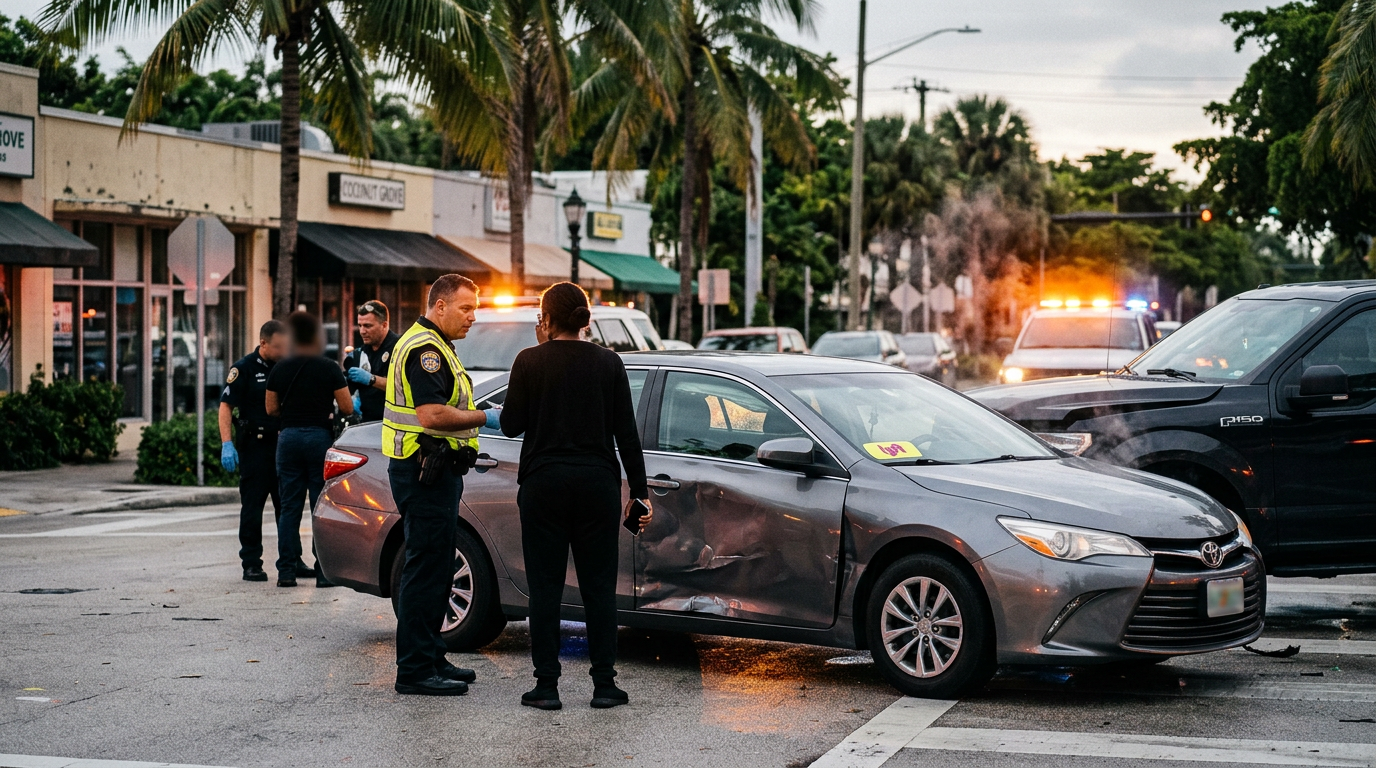
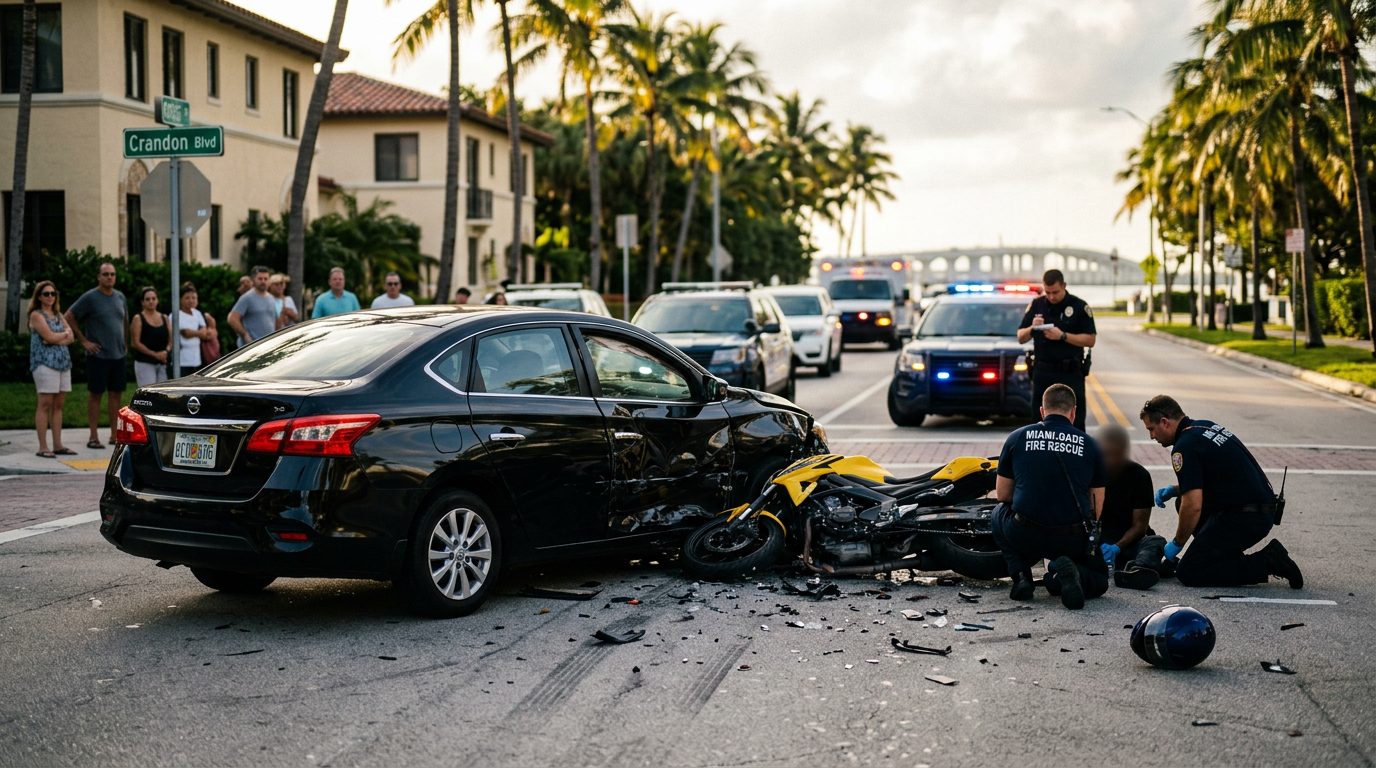
Late Tuesday evening, a late-model sedan operating for a major rideshare platform was involved in a high-impact T-bone collision at a busy Coconut Grove intersection. Witness accounts suggest a secondary vehicle neglected a stop sign, striking the rideshare vehicle on the passenger side and sending both cars toward the curb. Emergency responders from Miami Fire Rescue arrived quickly on the scene, providing immediate stabilization to a passenger who sustained significant injuries before transporting them to Jackson Memorial Hospital for further evaluation.
For those injured in such incidents, the path to recovery is often complicated by the specific status of the rideshare driver at the exact moment of impact. Under Florida Statute 627.748, coverage is dictated by distinct 'periods' that determine which insurance policy is primary. If the driver was merely logged into the app but had not yet accepted a ride request, the incident falls under Period 1. This stage typically offers lower liability limits than later stages, often creating a gap in coverage that unsuspecting victims may not realize exists until they attempt to file a claim.
The legal landscape shifts dramatically if the driver was in Period 2 or Period 3, meaning they had either accepted a ride or were actively transporting a passenger. In these instances, Florida law mandates much higher commercial insurance limits, often reaching up to one million dollars in total liability coverage. Determining the precise digital status of the driver requires an immediate preservation of electronic logs and data from the rideshare company, as this technical evidence serves as the foundation for any subsequent personal injury claim involving third-party victims or passengers.
Navigating the intersection of traditional traffic laws and modern transportation network statutes is a burden no injured resident should carry alone after a traumatic event in Coconut Grove. Because insurance companies often dispute which coverage period applies to shift financial responsibility, victims must ensure that all forensic digital evidence is secured immediately. Any delay in documenting the driver's app status can result in a significant reduction of available settlement funds. Victims should prioritize obtaining the official police report and seeking a professional review of the rideshare company’s specific policy obligations.
Were you involved in a similar Miami crash?
Talk to a Caraccidentmiami.com attorney now — free, confidential, 24/7.
305-244-5883