Serious T-Bone Collision in Little Havana Highlights Complex Miami Rideshare Insurance Coverage Tiers
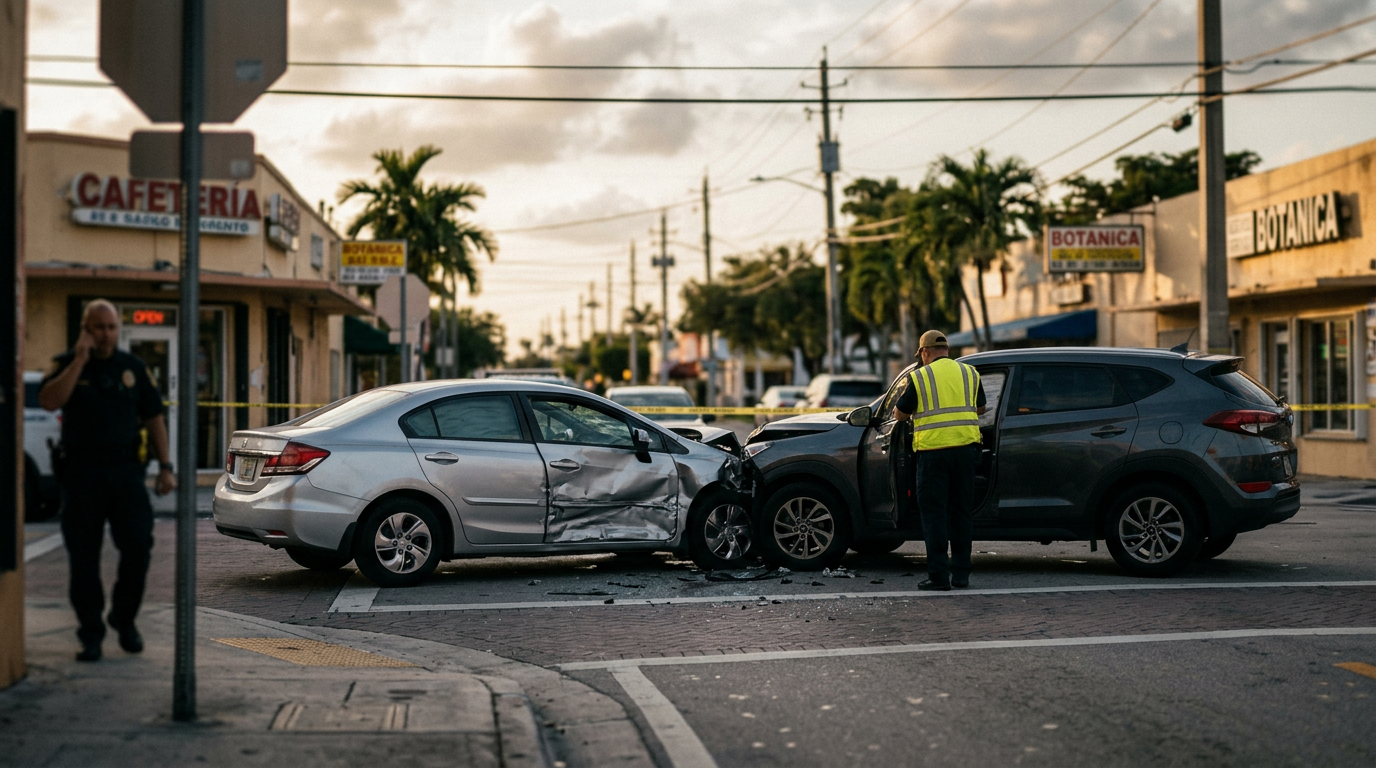
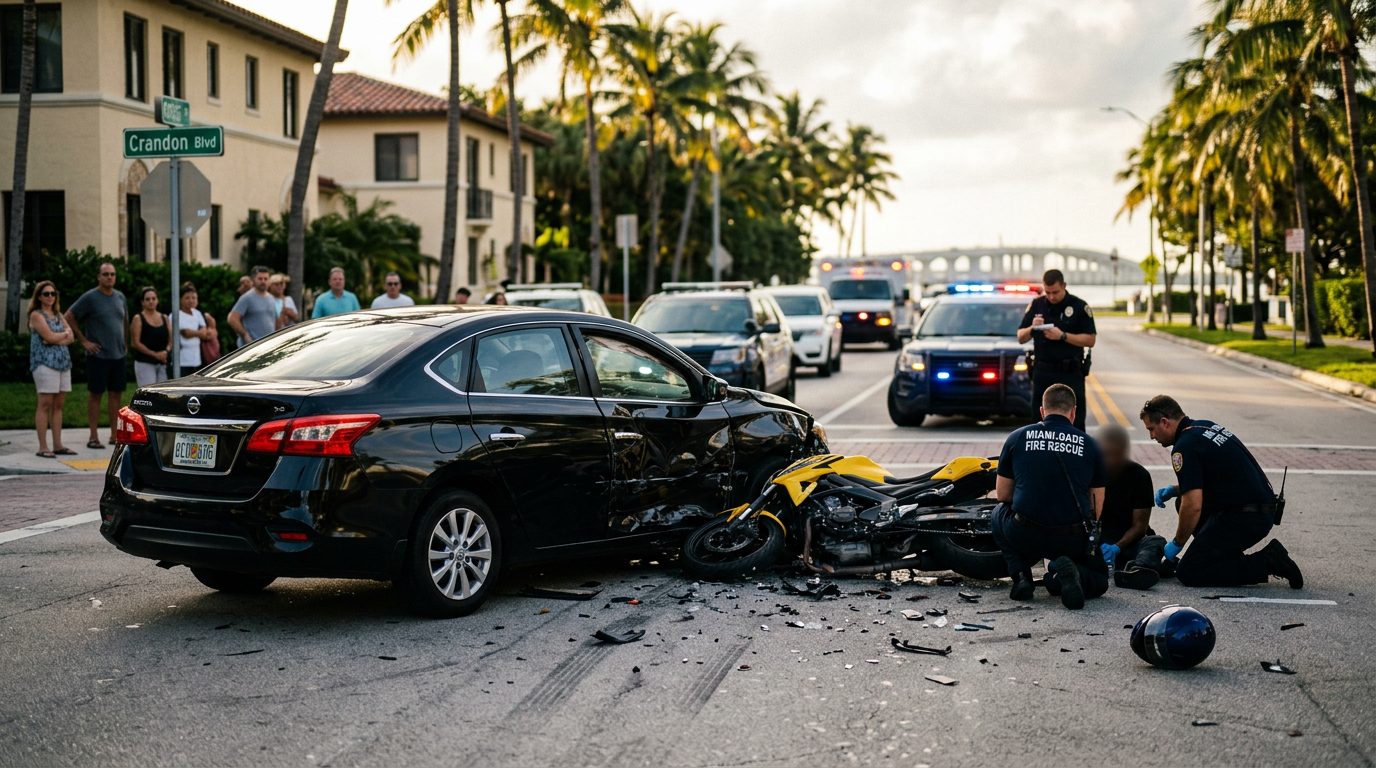
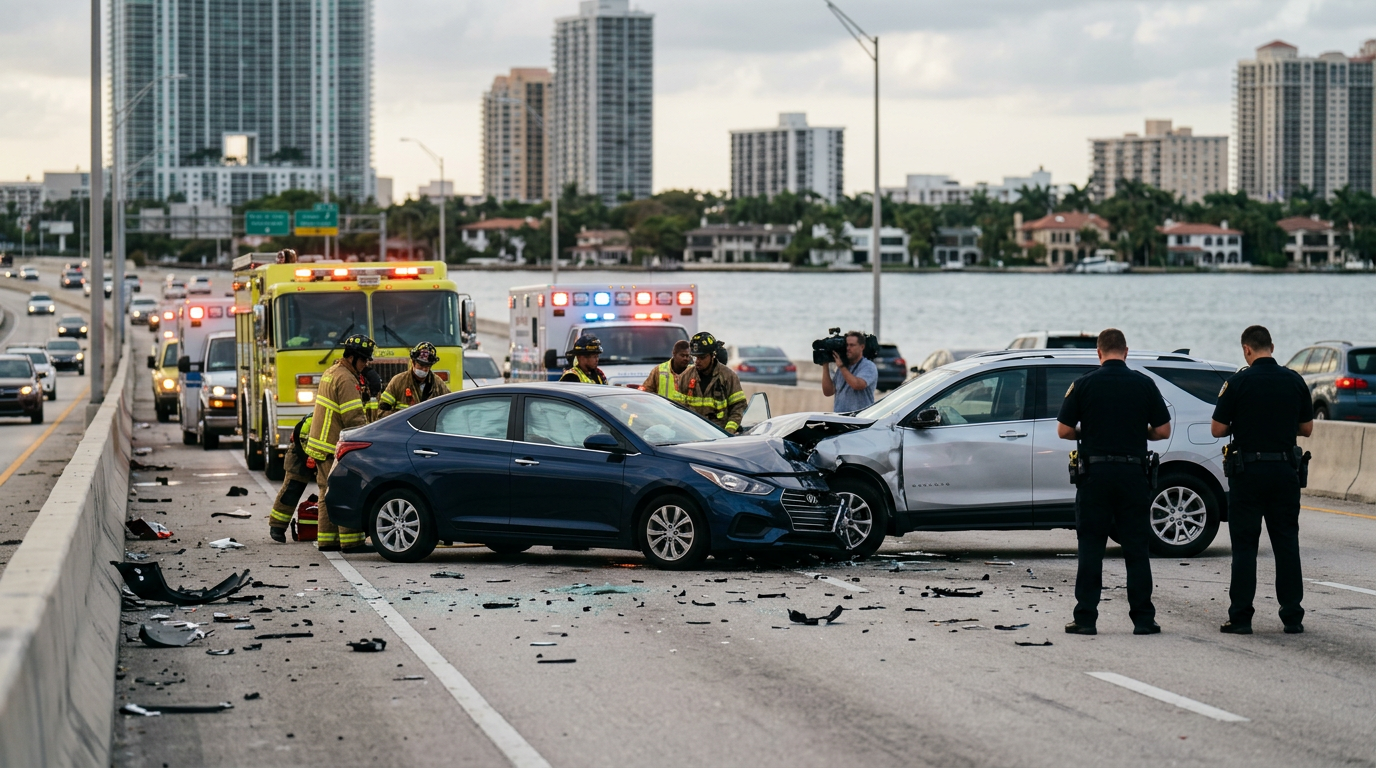
Emergency crews responded to a significant T-bone collision late yesterday evening at the intersection of Southwest 8th Street and 12th Avenue. A rideshare driver, operating a late-model sedan, was broadsided by an SUV while attempting to navigate the heavy traffic typical of the Little Havana area. Witnesses reported that the impact forced the rideshare vehicle into a parked storefront, resulting in substantial property damage and serious injuries to one passenger. Paramedics transported the victims to Jackson Memorial Hospital for immediate evaluation and treatment of suspected spinal injuries and blunt force trauma.
The legal aftermath of this incident centers on the driver's status at the precise moment of the collision. Under Florida law, the available insurance coverage fluctuates based on the activity of the rideshare driver. Because the driver was actively transporting a fare at the time of the impact, the incident likely falls into 'Period 3' of the state's regulatory framework. This tier provides the highest level of protection, typically including $1 million in third-party liability coverage. However, determining if the driver was between fares or merely logged into the app is a critical factual hurdle that dictates which policy limits apply.
Navigating these claims requires an understanding of how Florida's insurance statutes interact with private commercial policies. While the Florida 'Uber/Lyft Law' mandates specific coverage levels, insurance carriers often dispute which period was active to limit their financial exposure. If the driver was merely logged into the app waiting for a request, known as 'Period 1,' the coverage is significantly lower than when a passenger is physically in the vehicle. The distinction between these periods is frequently the primary point of contention in Miami personal injury litigation, as victims seek to recover the full cost of their medical rehabilitation.
Potential claimants must recognize that the rideshare company's primary insurer may attempt to shift liability back to the driver's personal policy, which likely contains an exclusion for commercial activity. This creates a coverage gap that can leave injured Miamians vulnerable to mounting hospital bills and lost wages. To protect their rights, victims should prioritize securing the digital logs from the rideshare application immediately following the crash. These records serve as the definitive evidence required to prove which insurance tier is triggered under the law, ensuring the correct policy is held accountable for the resulting damages.
Little Havana crash hotspots, hospitals & Florida law
Calle Ocho corridor — pedestrian-heavy, narrow lanes, frequent low-speed sideswipes.
Were you involved in a similar Miami crash?
Talk to a Caraccidentmiami.com attorney now — free, confidential, 24/7.
305-244-5883