Severe Doral Sideswipe on 836 Raises Questions Over Florida Helmet Law and Damages
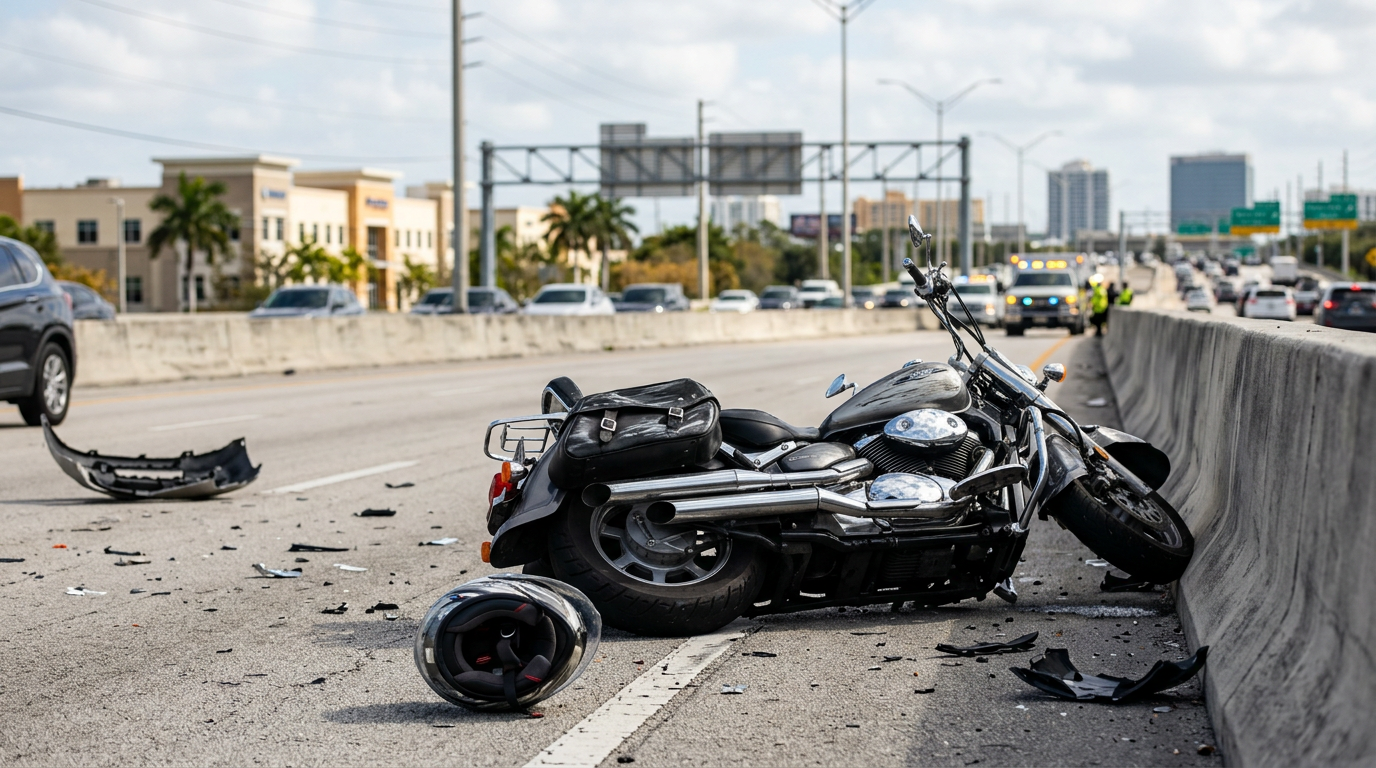
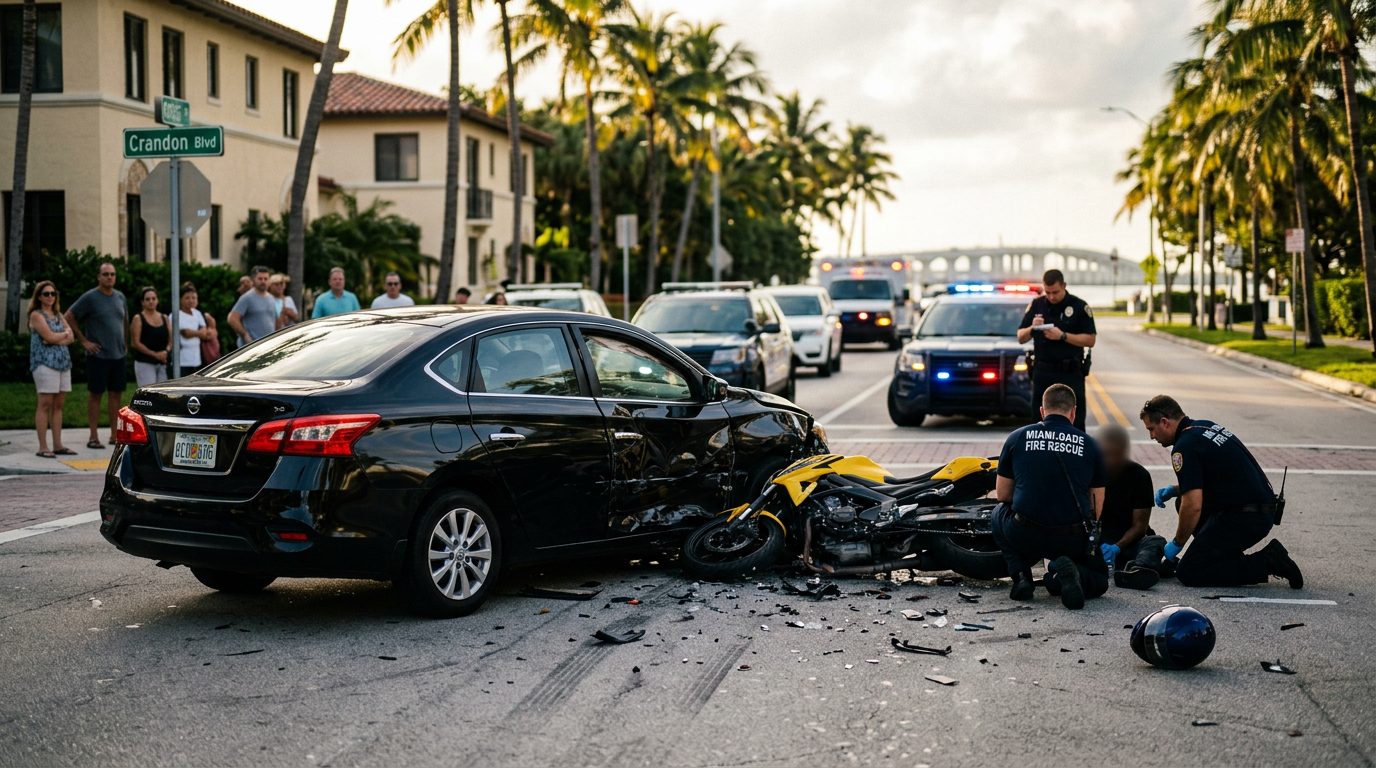
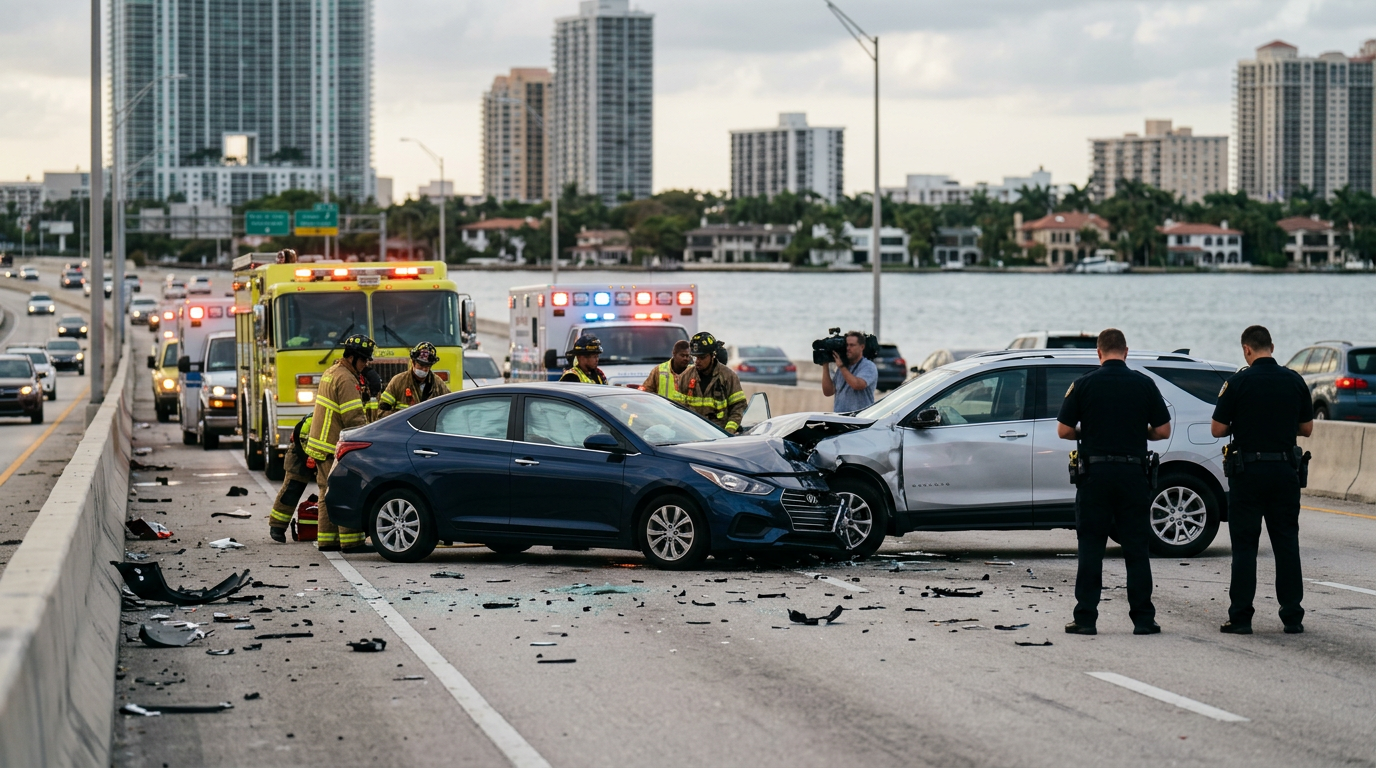
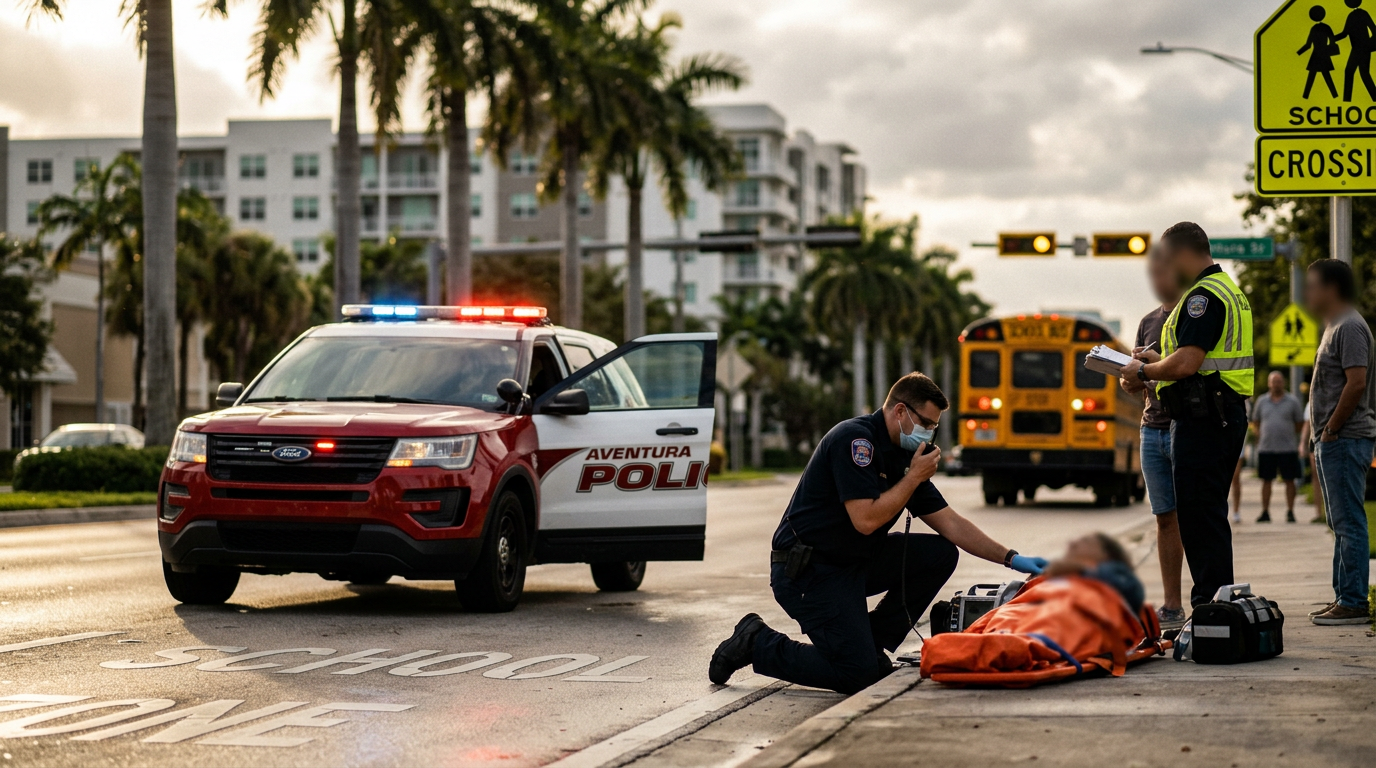
A chaotic scene unfolded Thursday afternoon on the westbound lanes of the Dolphin Expressway near the Doral exit when a passenger sedan reportedly veered into the path of a motorcycle. According to initial reports, the sedan attempted a sudden lane change, resulting in a sideswipe collision that sent the rider sliding across three lanes of traffic. Local emergency responders arrived quickly to provide aid, eventually transporting the motorcyclist to Ryder Trauma Center with injuries that, while serious, were not deemed life-threatening by on-site medical personnel. The stretch of SR-836 remained partially closed for nearly two hours as investigators worked to clear the wreckage and determine the precise sequence of events leading to the impact.
Witnesses at the scene indicated that the motorcyclist was not wearing a protective helmet at the time of the crash, a detail that often complicates the legal aftermath of Miami traffic accidents. Under Florida Statute 316.211, riders over the age of 21 are permitted to operate a motorcycle without a helmet, provided they carry at least 10,000 dollars in medical benefits coverage. While this law grants riders a specific freedom of choice, it does not fully insulate them from the strategic defenses employed by insurance companies during the litigation process. When a rider is unhelmeted, the defense frequently argues that the lack of gear contributed to the severity of the sustained injuries, regardless of who caused the initial collision.
Evaluating damages in these cases requires a nuanced understanding of comparative negligence. In Miami courtrooms, an insurance carrier may attempt to reduce a settlement payout by claiming the plaintiff was partially responsible for their own medical outcomes. If a head or neck injury occurs while the rider is unhelmeted, the defense will use Florida's comparative fault rules to suggest that a portion of the physical harm was preventable. However, it is vital to note that the absence of a helmet does not negate the driver's liability for the actual cause of the accident. A driver who fails to check their blind spot or executes an improper lane change on a busy highway like the 836 is still legally responsible for the negligence that initiated the event.
For victims of Doral accidents, navigating the recovery process involves more than just physical healing; it requires addressing how the insurance industry interprets state statutes to minimize their financial exposure. Proving that an injury would have occurred regardless of safety equipment is a complex medical and legal task that often requires expert testimony. Victims should focus on documenting every detail of the scene and securing immediate medical assessments to establish a clear link between the driver's actions and the resulting harm. Understanding that your choice to ride without a helmet is a legal right, rather than a total bar to recovery, is the first step in ensuring your settlement reflects the true cost of your rehabilitation and lost wages.
Doral crash hotspots, hospitals & Florida law
Logistics & airport corridor — commercial trucks, FMCSR violations, big-rig pile-ups.
Were you involved in a similar Miami crash?
Talk to a Caraccidentmiami.com attorney now — free, confidential, 24/7.
305-244-5883