Aventura Multi-Car Pileup on I-95 Raises Complex Questions Regarding Florida Comparative Negligence Laws
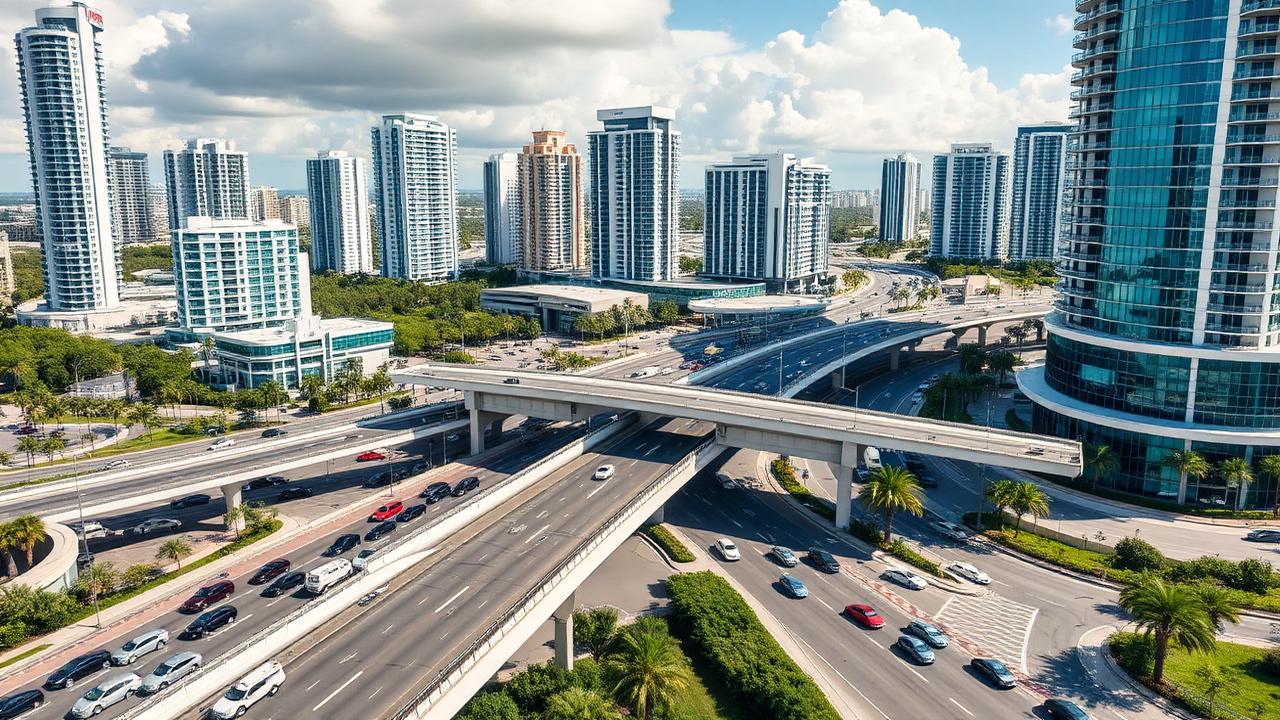
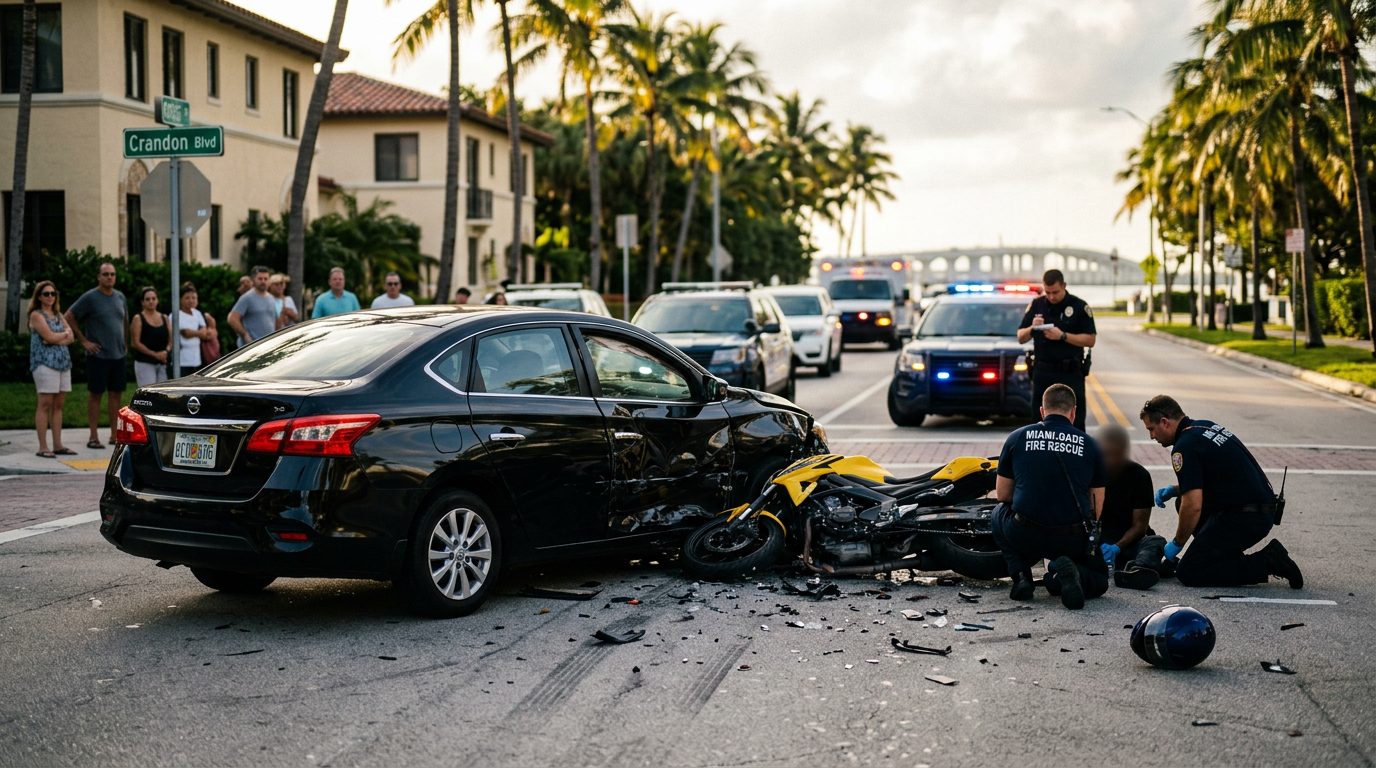
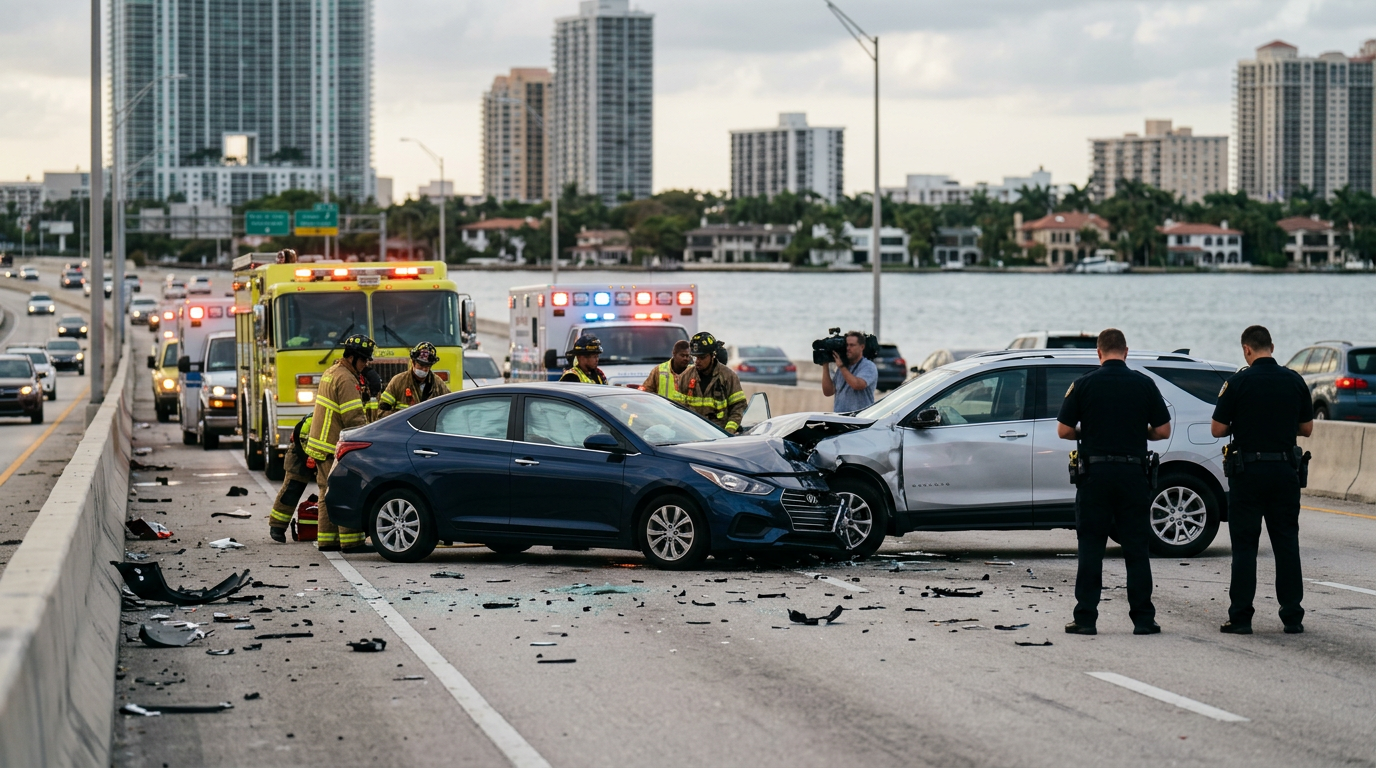
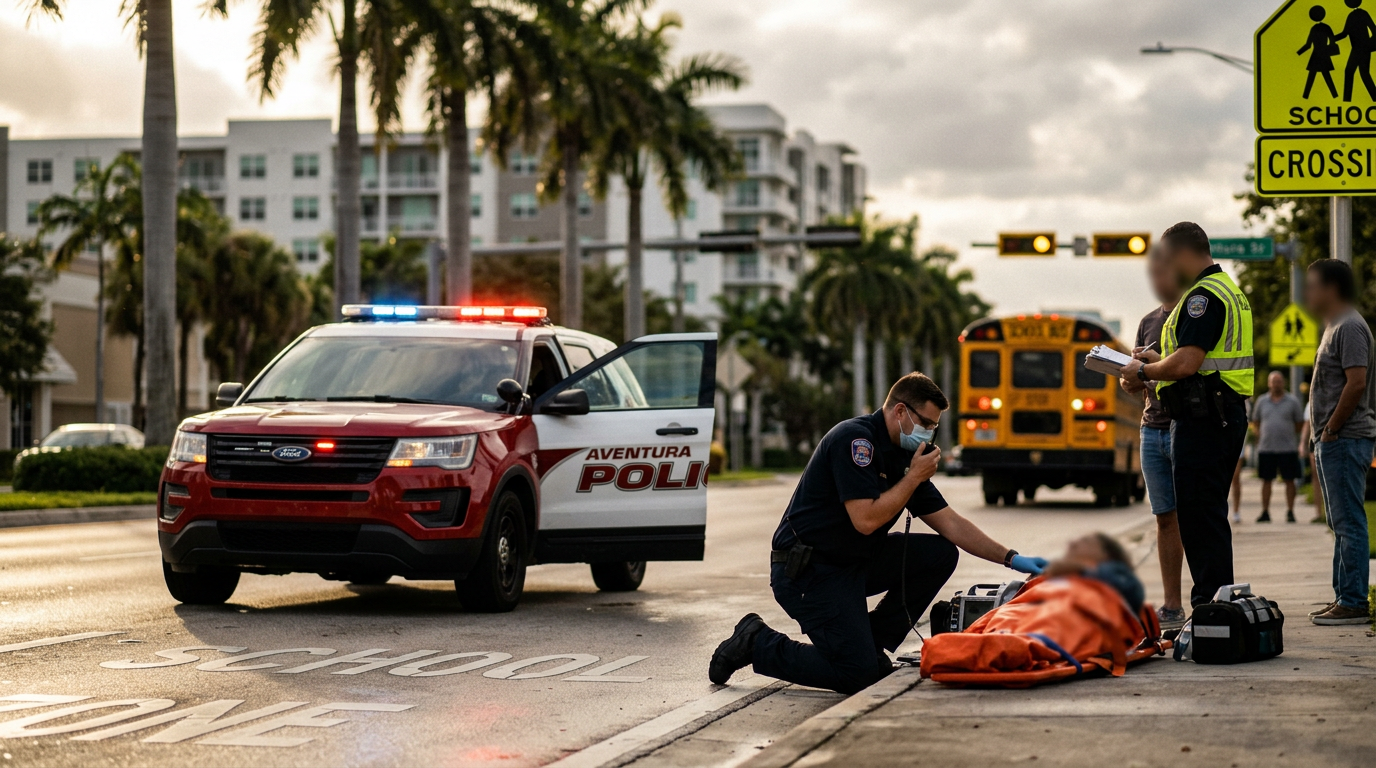
During the peak evening commute on Tuesday, a severe multi-vehicle collision disrupted traffic flow on the northbound lanes of Interstate 95 near the Aventura exit. According to preliminary reports, the incident began when a lead vehicle slowed abruptly for congestion, triggering a chain reaction that ultimately involved four passenger cars and a light commercial truck. Paramedics from Miami-Dade Fire Rescue arrived shortly after the 5:30 p.m. impact, providing immediate stabilization to several injured motorists before transporting the most critically wounded to nearby Aventura Hospital and Medical Center for further evaluation.
The scene remained active for several hours as investigators worked to piece together the sequence of events. In high-speed environments like I-95, tailgating and distracted driving often exacerbate the severity of pileups, making it difficult to pinpoint a single responsible party. While the initial police report identifies the point of impact, it does not always resolve the underlying liability issues that surface during the insurance claims process. For victims suffering from whiplash, fractures, or internal injuries, the medical costs and lost wages following such an event can be devastatingly high.
From a legal perspective, these types of accidents are now governed by Florida’s modified comparative negligence standard under Florida Statute 768.81. This law is pivotal for Miami drivers to understand: a plaintiff is barred from recovering any damages if they are found to be more than 50% at fault for their own injuries. In a multi-car pileup, insurance companies frequently attempt to shift a larger percentage of blame onto each driver involved to avoid making full payouts. If a jury determines your share of responsibility is 51% or higher, you lose the right to collect any compensation from other negligent parties.
Determining the exact percentages of fault requires a technical analysis of skid marks, dashcam footage, and vehicle telemetry data. For instance, if one driver was speeding while another was following too closely, the court must weigh these factors to determine if the victim remains under the 51% threshold. Because Florida law no longer allows recovery for those primarily at fault, victims must ensure their actions are documented accurately and that any contributory negligence arguments raised by defense attorneys are vigorously challenged with forensic evidence.
If you are involved in a chain-reaction crash, securing the contact information of all witnesses and obtaining a copy of the official crash report is necessary but only a first step. Victims should avoid making recorded statements to insurance adjusters who may use leading questions to inflate the victim's perceived share of negligence. Protecting your claim requires demonstrating that the majority of fault rests with other parties, as even a slight shift in the percentage of liability can mean the difference between a full recovery for medical expenses and receiving nothing at all.
Were you involved in a similar Miami crash?
Talk to a Caraccidentmiami.com attorney now — free, confidential, 24/7.
305-244-5883