Wynwood Hit-and-Run on Biscayne Boulevard Raises Questions of Establishments Providing Excessive Alcohol
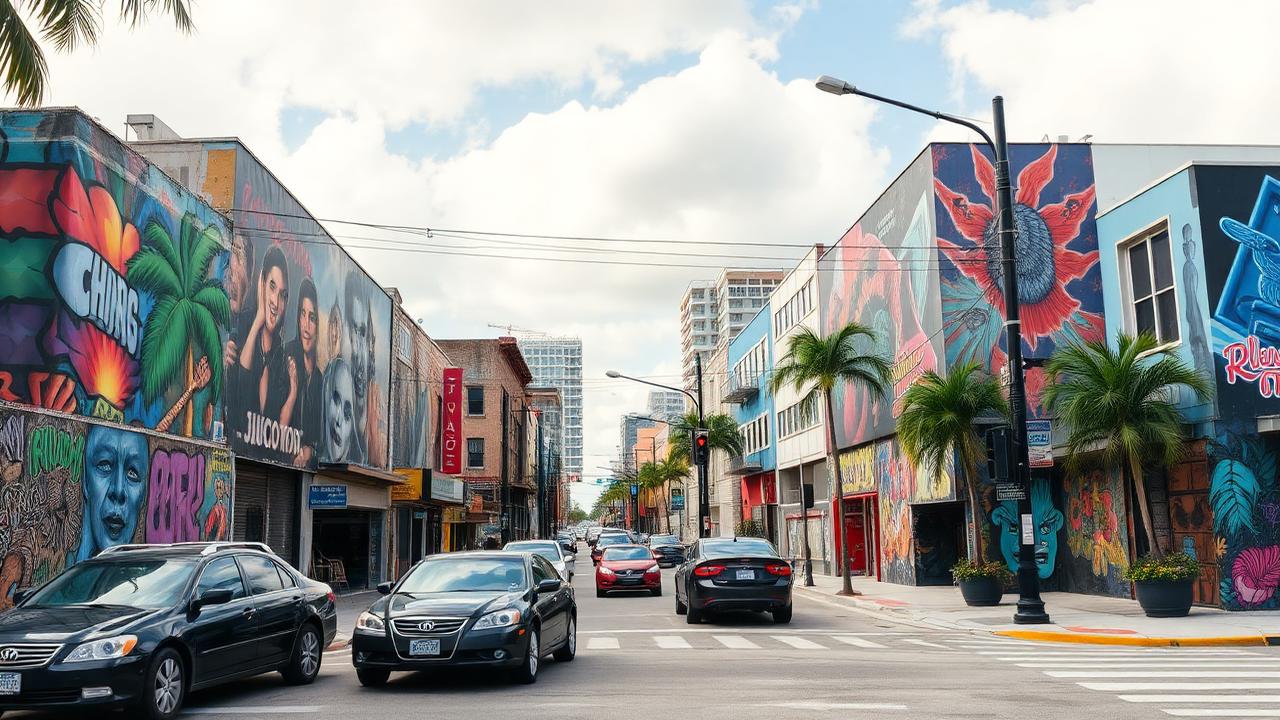
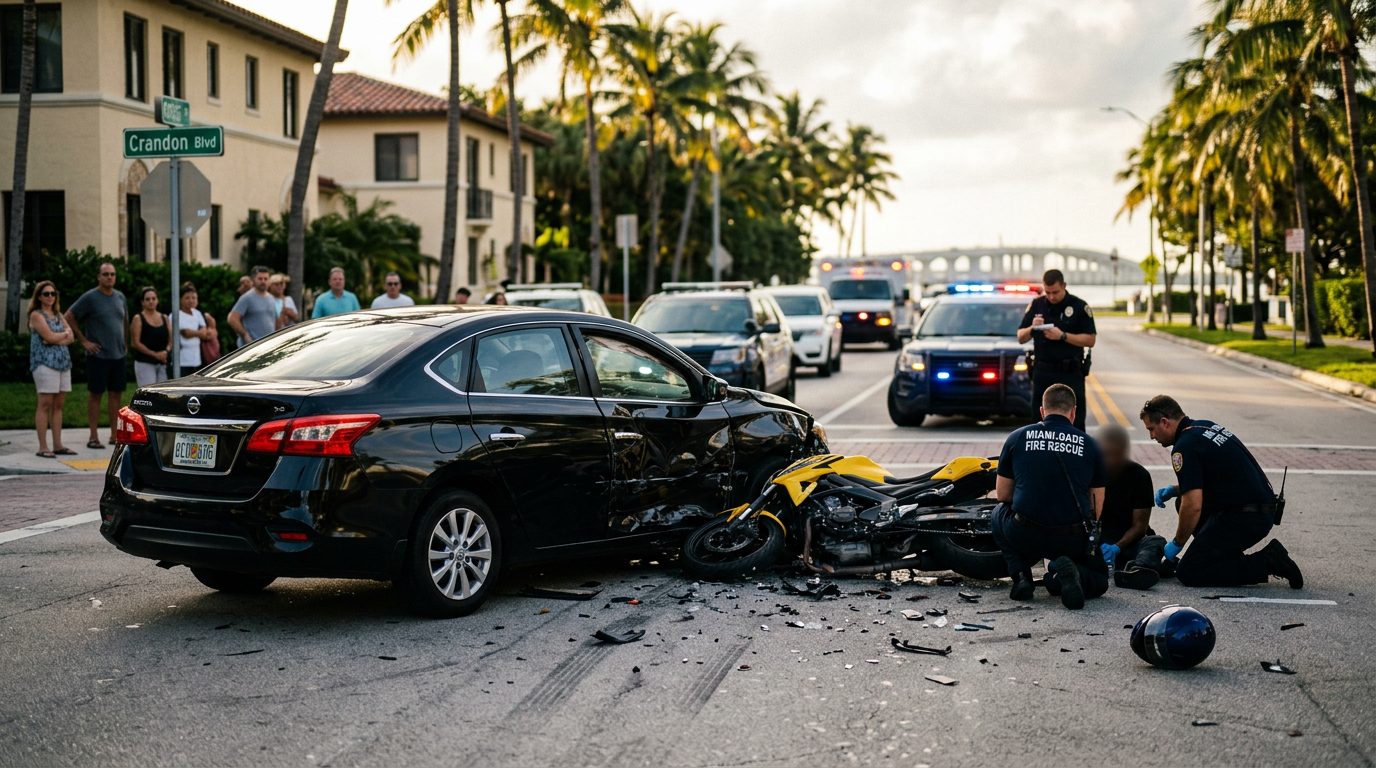
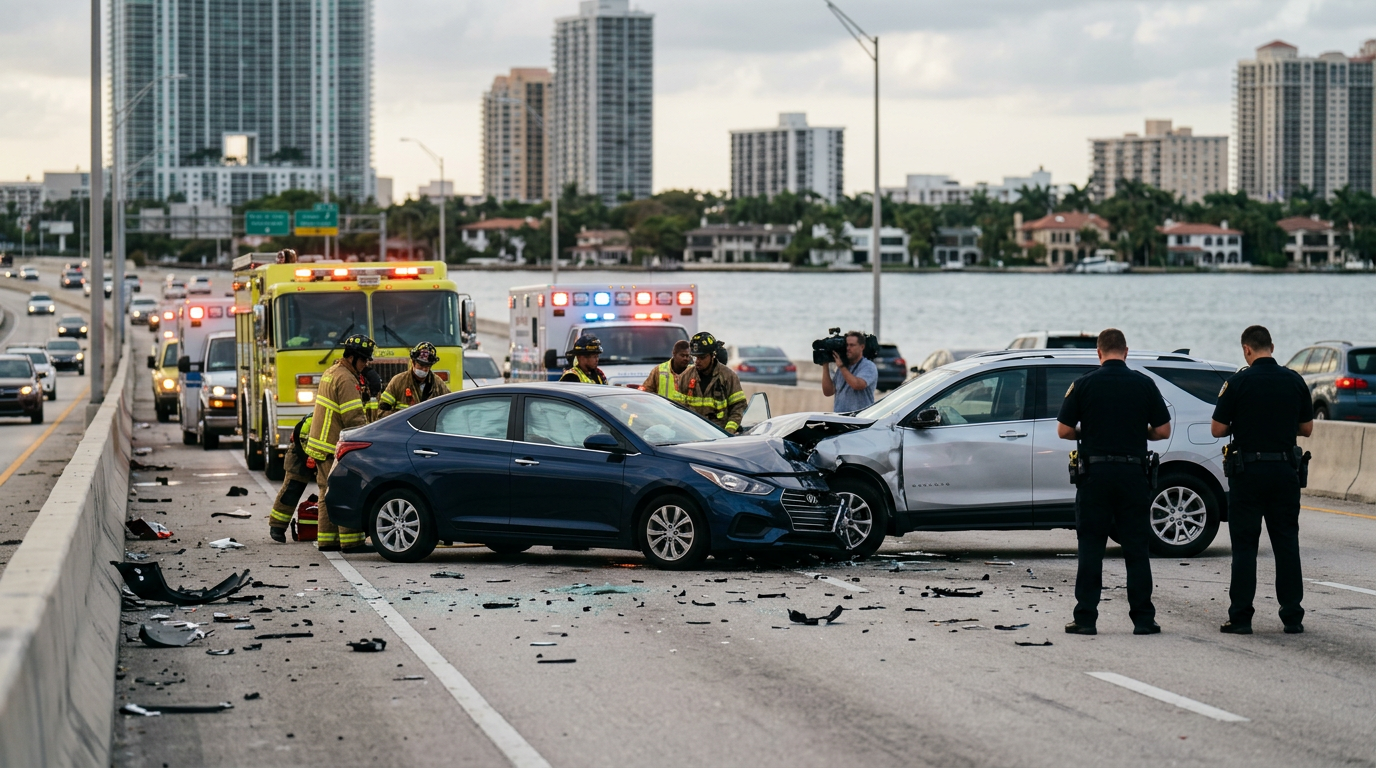
A late-night collision on Biscayne Boulevard near the entrance to Wynwood resulted in significant injuries and property damage early Saturday morning. Surveillance footage from nearby businesses captured a dark-colored sedan traveling at high speeds before striking a rideshare vehicle carrying two passengers. Rather than checking on the victims, the driver of the sedan fled the scene on foot, abandoning the vehicle. Emergency responders from Miami Fire Rescue arrived within minutes to transport the injured passengers to Jackson Memorial Hospital, where they remain in stable but serious condition while local authorities continue their search for the missing motorist.
Initial evidence recovered from the abandoned vehicle, including open containers and receipts from a nearby lounge, suggests that alcohol was a primary factor in the crash. In Miami's vibrant nightlife districts like Wynwood, these incidents often involve drivers who have been over-served by commercial establishments. When a hit-and-run occurs under the suspicion of intoxication, the legal focus shifts not only to the driver but also to the source of the alcohol. Investigating the timeline of the driver's activities leading up to the crash is a standard procedure for local authorities and personal injury attorneys seeking to uncover the full scope of liability.
Under Florida Statute 768.125, commonly known as the Dram Shop law, a victim may have a cause of action against an establishment that willfully and unlawfully sells or furnishes alcoholic beverages to a person who is habitually addicted to alcohol, or to a person under the legal drinking age. While Florida's statute is narrower than those in other states, if it can be proven that a bar or club ignored clear signs of habitual addiction in a patron and continued to serve them, that establishment may be held financially responsible for the resulting damages. This legal avenue is often the only way for victims to secure full compensation when a driver's insurance is insufficient or non-existent.
The process of building a dram shop case requires an immediate and thorough investigation into the defendant's history and the service practices of the establishment in question. This often involves subpoenaing credit card records, viewing interior surveillance footage from the bar, and interviewing staff members or other patrons who were present that evening. Because this evidence can be easily overwritten or lost, time is of the essence for those injured in these types of incidents. For victims recovering from a crash on Biscayne Boulevard, identifying all negligent parties—including those who served the driver—is a critical step in the recovery process.
Witnesses of the crash or anyone with information regarding the driver’s whereabouts prior to the incident are encouraged to provide statements to the authorities. For the injured, the priority must be documenting the scene and securing legal counsel knowledgeable in Florida’s complex liability statutes. Victims should avoid giving recorded statements to insurance adjusters until have they confirmed whether a third-party establishment can be held liable for their medical expenses and lost wages, as these claims require specific evidentiary burdens that go beyond a standard police report.
Wynwood crash hotspots, hospitals & Florida law
Nightlife district — rideshare T-bones, intoxicated-driver crashes, scooter strikes.
Were you involved in a similar Miami crash?
Talk to a Caraccidentmiami.com attorney now — free, confidential, 24/7.
305-244-5883