
Coral Gables Driver Injured in MacArthur Causeway DUI Wreck; Critical Vehicle Data Must Be Preserved
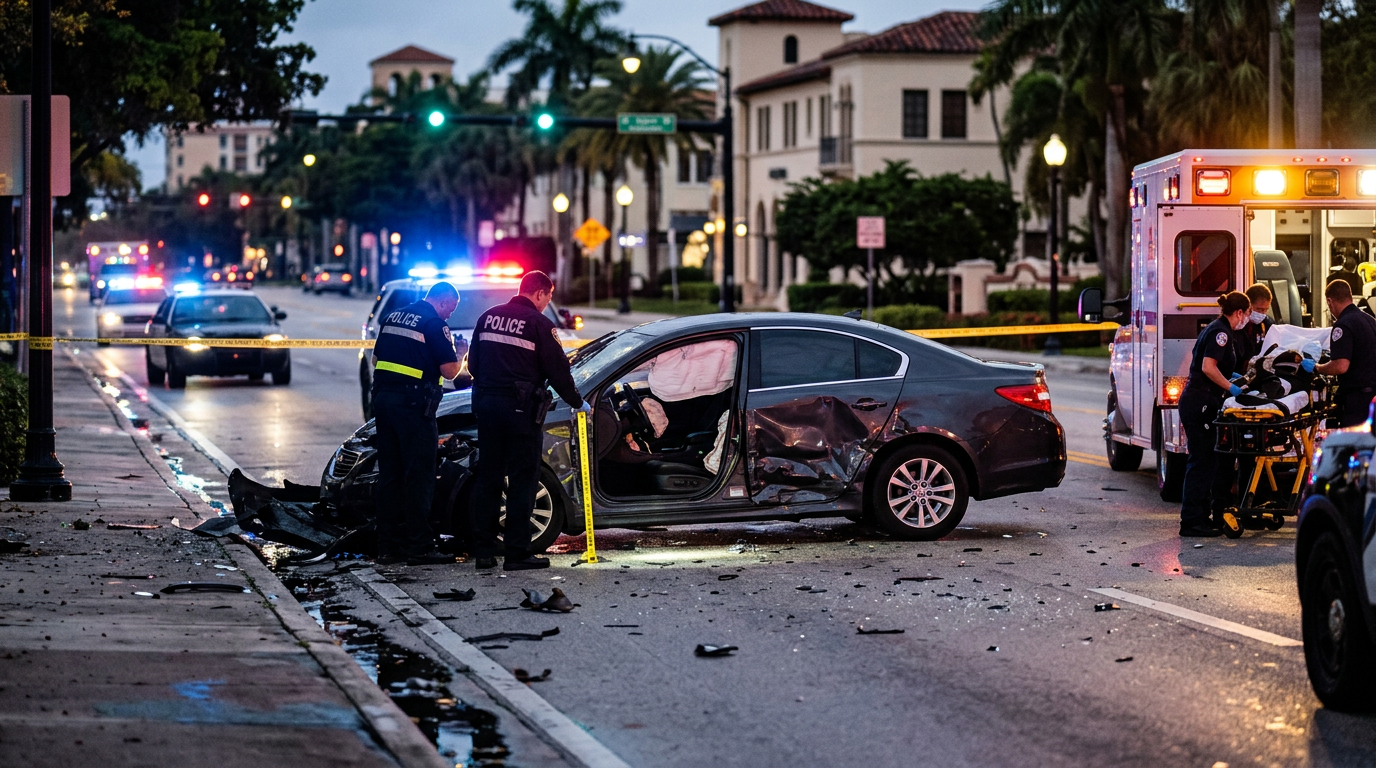
A violent multi-vehicle collision disrupted traffic on the MacArthur Causeway late Tuesday night after a driver suspected of operating under the influence veered across multiple lanes. The impact forced a sedan driven by a Coral Gables resident into the concrete barrier, causing significant structural damage to the vehicle and resulting in serious injuries. Miami Fire Rescue arrived on the scene shortly after 11:30 p.m., transporting the victim to Ryder Trauma Center for treatment of suspected spinal injuries and blunt force trauma. While the investigation remains ongoing, preliminary reports suggest that high speeds and alcohol impairment were primary factors in the crash.
For the injured victim, the path to recovery involves more than just physical rehabilitation; it requires a meticulous gathering of forensic evidence to prove liability. In high-impact crashes on major arteries like the MacArthur Causeway, the physical damage to the vehicles tells only part of the story. Modern automobiles are equipped with Electronic Control Modules (ECM), often referred to as black boxes, which record speed, braking patterns, and steering input in the seconds leading up to an impact. If this data is not secured immediately, it can be overwritten or destroyed when a vehicle is moved to a salvage yard or repaired by an insurance carrier.
Florida law provides specific protections against the loss of this vital information through the concept of spoliation. When a party has a duty to preserve evidence and fails to do so, they may face significant legal sanctions. To prevent the loss of ECM data or neighboring dashcam footage, legal counsel must immediately issue spoliation letters to all involved parties, including insurance companies and towing yards. These formal notices put defendants on notice that any destruction of evidence—whether intentional or negligent—will be documented and potentially used against them in a court of law to establish a presumption of negligence.
Securing this digital evidence is often the difference between a denied claim and a successful recovery for medical expenses and lost wages. Beyond the black box data, identifying third-party dashcam footage from rideshare drivers frequently traveling the Causeway can provide an objective account of the defendant’s erratic behavior. Victims should ensure that their legal representatives act within the first forty-eight hours to lock down these records. The practical takeaway for any Miami resident involved in a serious wreck is to prioritize the formal preservation of electronic data before the vehicle is released for repairs or declared a total loss by an adjuster.
Coral Gables crash hotspots, hospitals & Florida law
Roundabouts, banyan-canopied turns, US-1 spillover — left-turn and rear-end heavy.
Were you involved in a similar Miami crash?
Talk to a Caraccidentmiami.com attorney now — free, confidential, 24/7.
305-244-5883

