Homestead Pedestrian Struck in Miami Beach Crosswalk as Modified Comparative Negligence Rules Apply
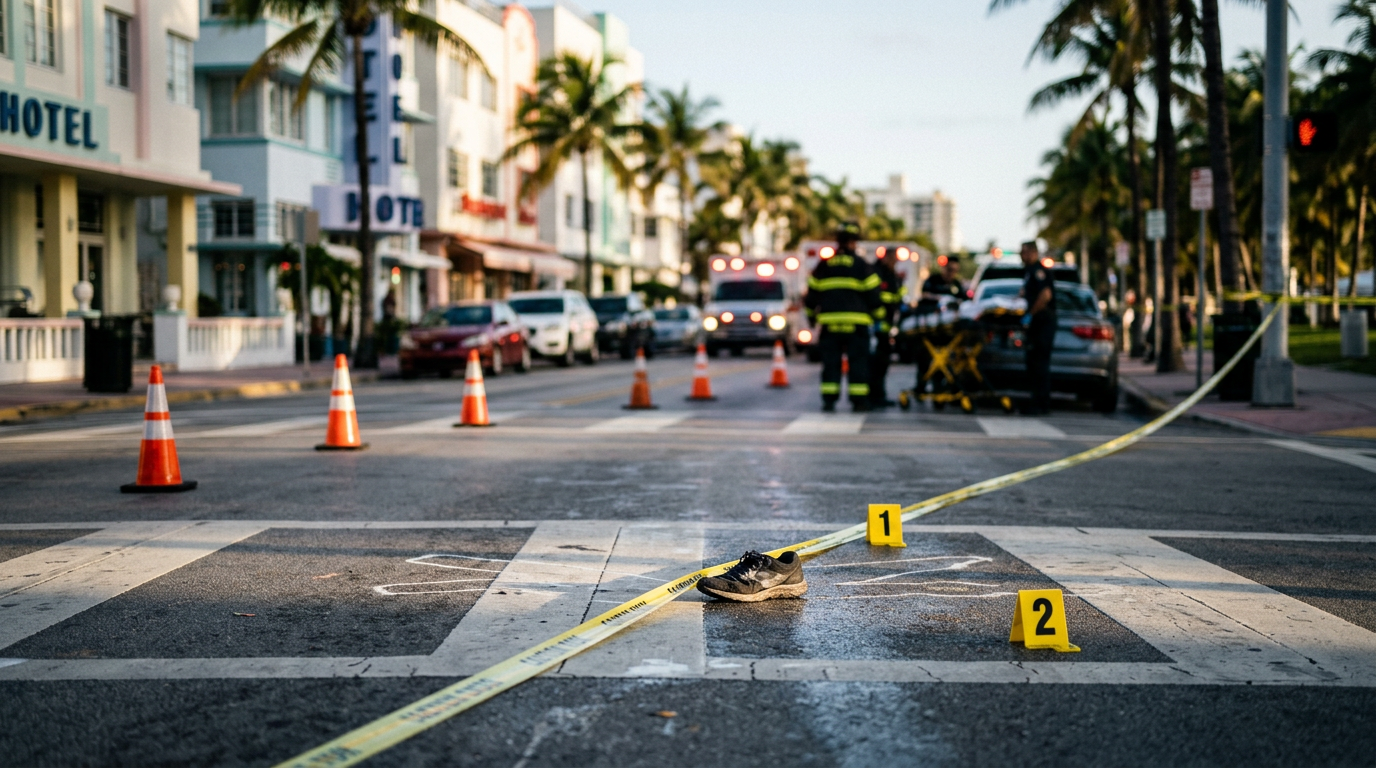
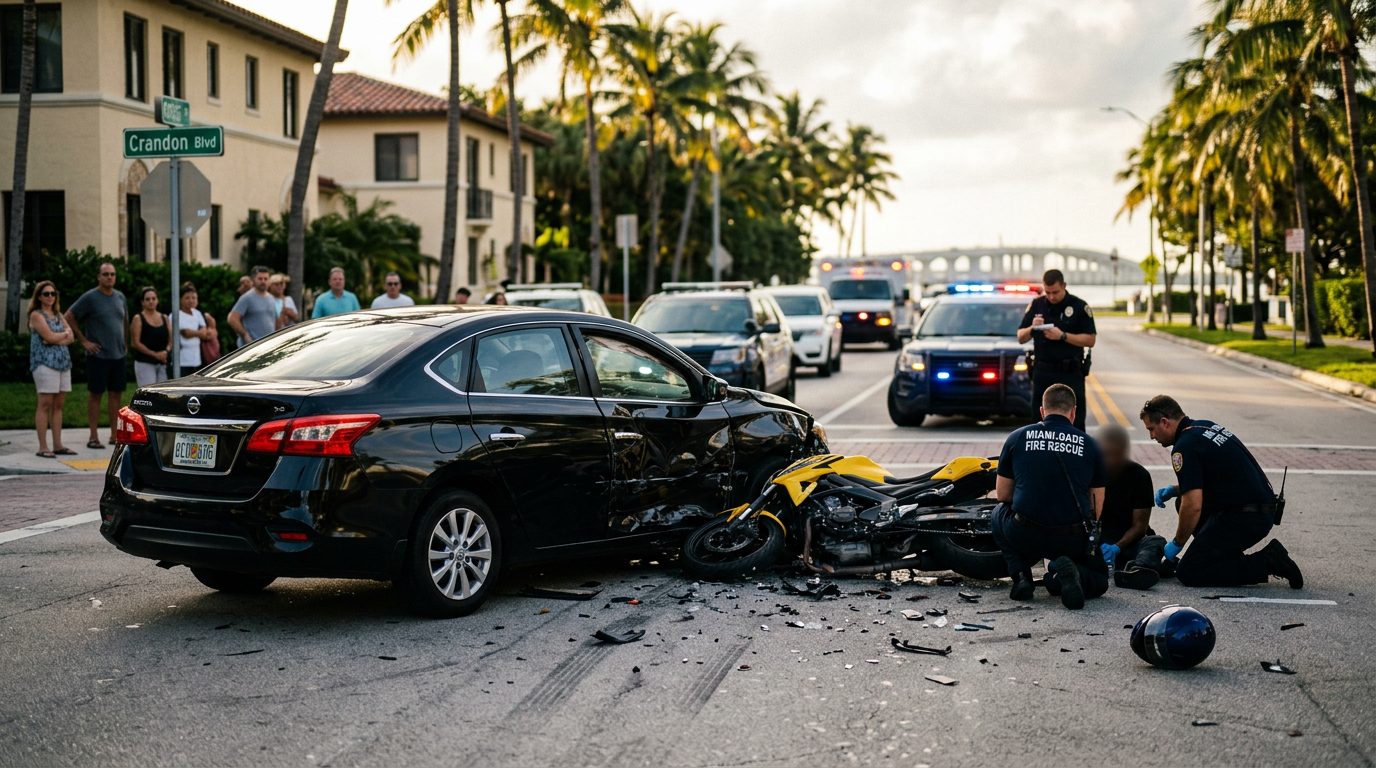
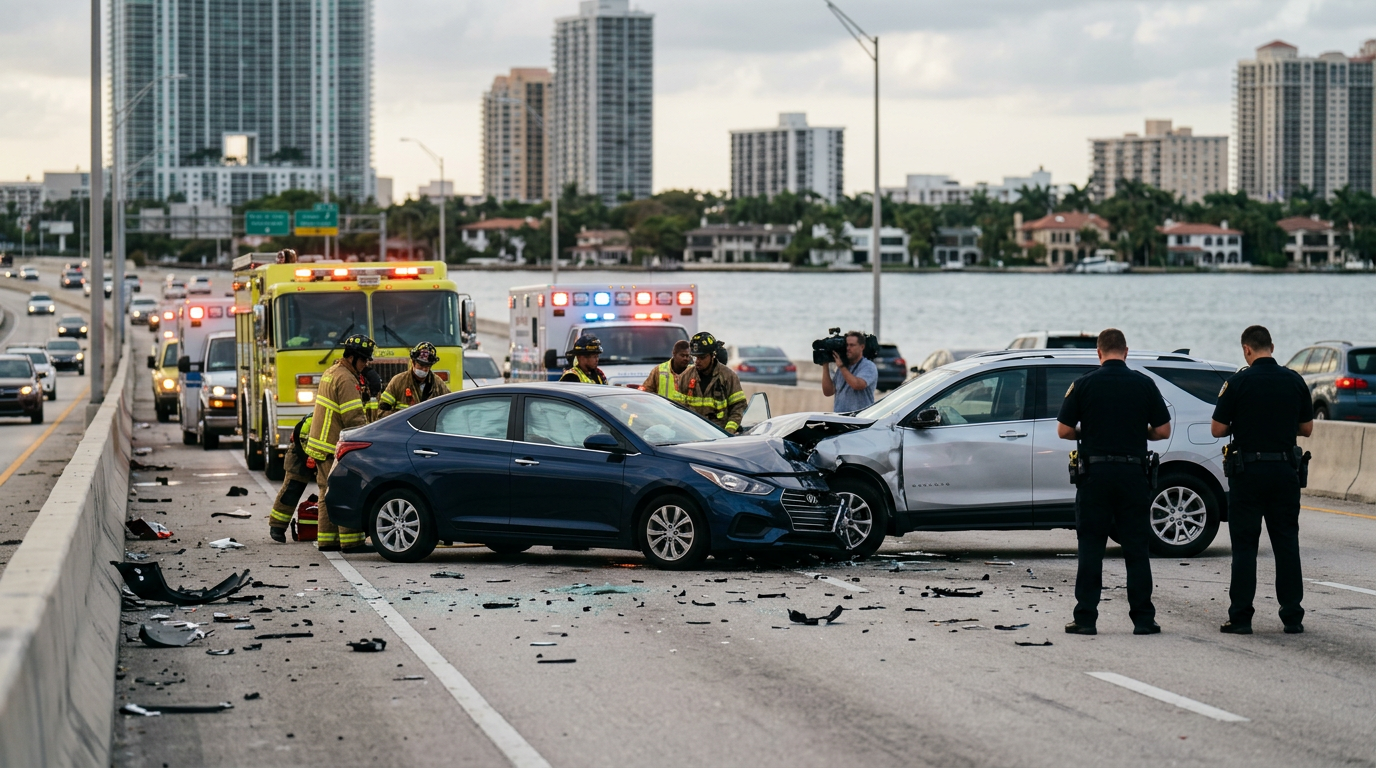
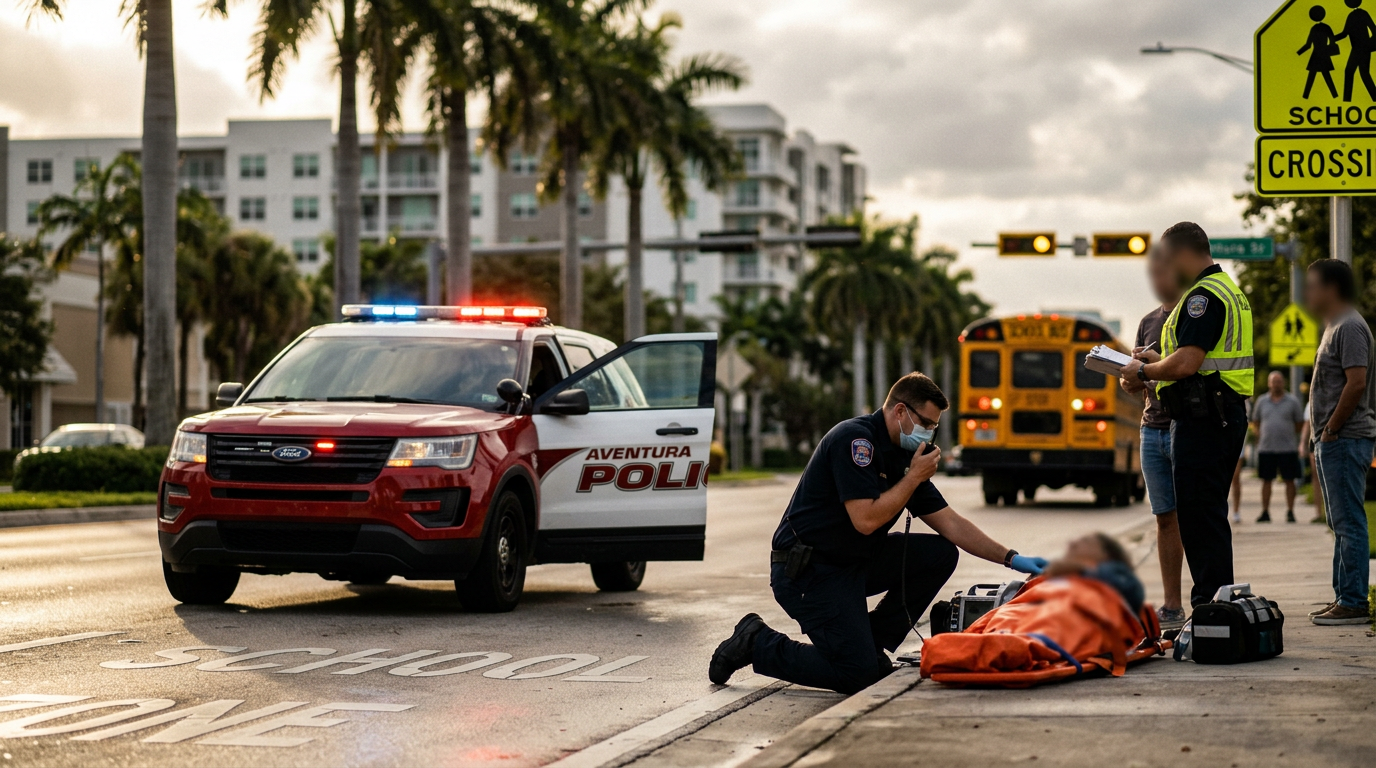
A Homestead resident remains in serious condition following a traumatic collision in a busy Miami Beach intersection late Tuesday evening. The victim was reportedly traversing a marked crosswalk near Washington Avenue when a late-model sedan traveling at an unsafe speed failed to yield the right-of-way. Miami Beach Fire Rescue arrived shortly after the impact, stabilizing the pedestrian before a rushed transport to the Ryder Trauma Center. While the driver remained at the scene to cooperate with investigators, the sudden nature of the accident has left the local community shaken and the victim facing a long road to physical recovery.
Incidents involving pedestrians in high-traffic tourist corridors often center on the immediate actions of the driver, yet the legal aftermath is frequently dictated by the nuances of Florida’s liability statutes. In this case, the Homestead resident suffered multiple fractures and internal injuries that will require extensive surgical intervention and long-term rehabilitation. Local law enforcement officers are currently reviewing nearby surveillance footage to determine the exact sequence of events, including the status of the traffic signals at the moment of impact. Determining precise fault is the primary hurdle in securing the necessary compensation for medical bills and lost wages.
The legal landscape for this incident is governed by Florida’s recently updated 51 percent modified comparative negligence rule under Florida Statute Section 768.81. This law represents a significant shift in how accident victims can recover damages. Under this standard, an injured party is barred from recovering any damages if they are found to be more than 50 percent at fault for the accident. For the Homestead pedestrian, this means that even if a driver was negligent, any perceived distraction or failure to follow a pedestrian signal on the victim's part could result in a total loss of the right to compensation if a jury deems their contribution to the crash exceeded the halfway mark.
A frequent tactic used by insurance defense teams is to shift just enough blame onto the pedestrian to cross that 51 percent threshold, effectively insulating the insurance company from paying out a settlement. They may point to the use of a mobile phone or the victim’s walking speed to argue that the pedestrian was the primary cause of the collision. Because the financial stakes are so high, meticulously documenting the scene and securing witness testimony is vital. Proving that the driver held the majority of the responsibility is the only way for the injured Homestead resident to ensure the burden of their medical expenses does not fall entirely on their own shoulders.
For those injured in crosswalk accidents, the immediate priority is gathering evidence that demonstrates the driver’s negligence clearly enough to overcome a comparative fault defense. Pedestrians should never admit fault at the scene or provide recorded statements to insurance adjusters without understanding how Florida Statute Section 768.81 applies to their specific facts. Success in these claims depends entirely on establishing that the driver’s failure to yield was the predominant factor in the crash, thereby protecting the victim’s right to a recovery that accounts for their pain, suffering, and mounting healthcare costs.
Were you involved in a similar Miami crash?
Talk to a Caraccidentmiami.com attorney now — free, confidential, 24/7.
305-244-5883