North Miami Construction Site Collision Raises Complex Questions Regarding Florida Rideshare Insurance Coverage Tiers
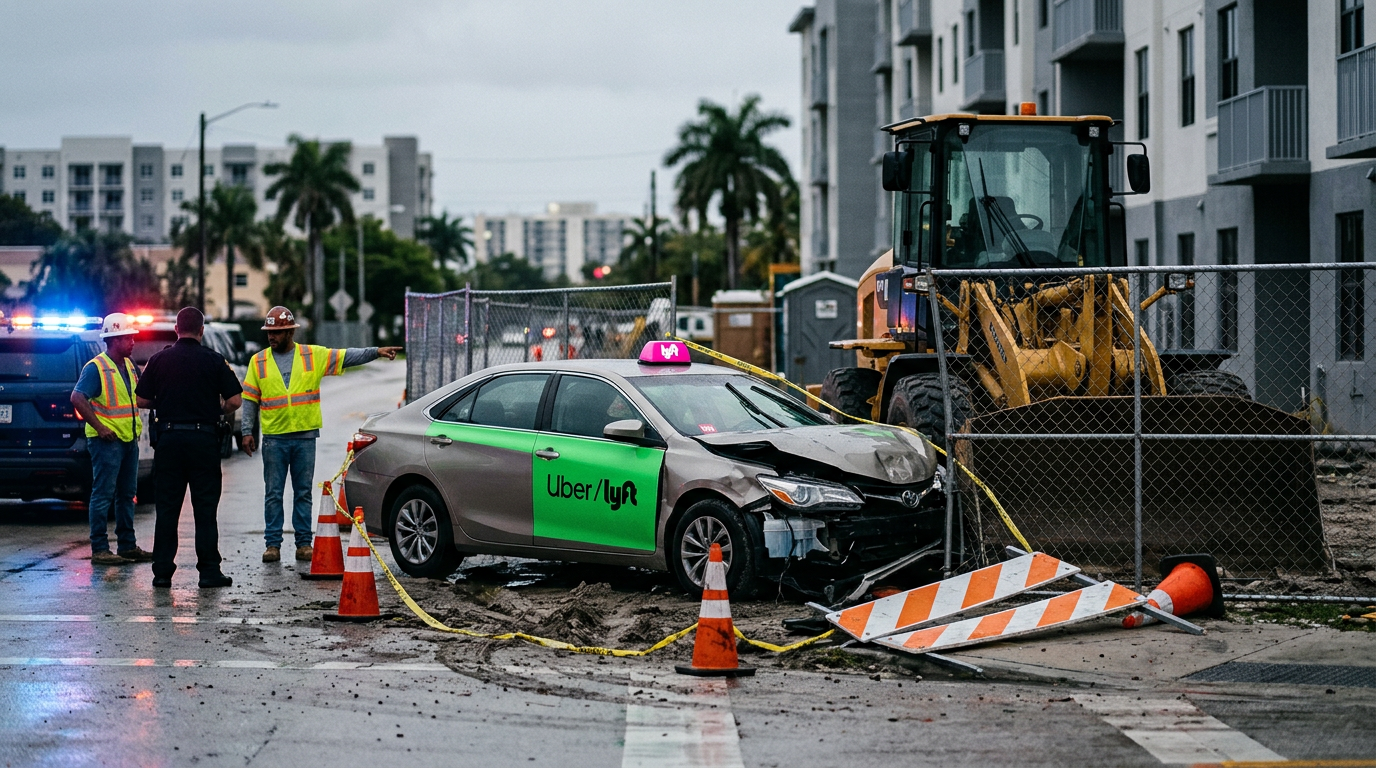
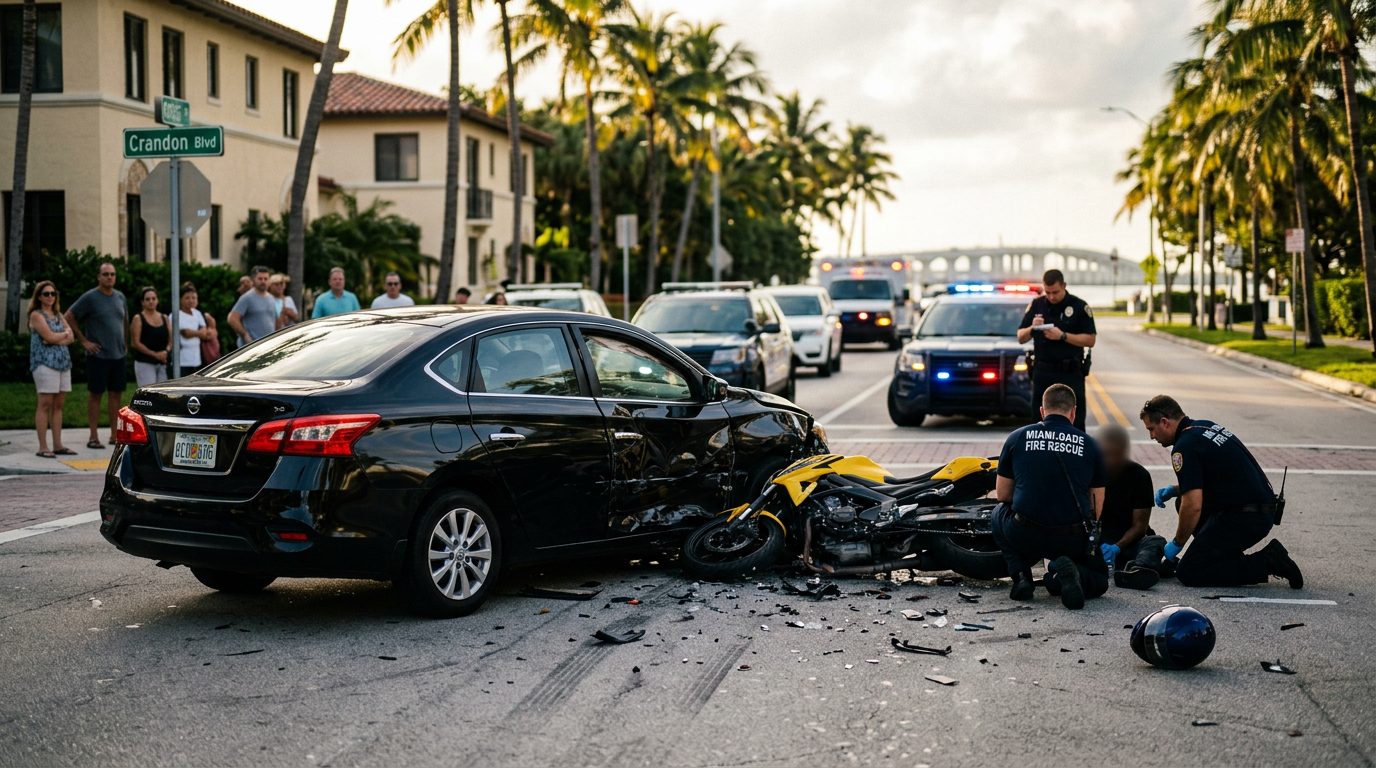
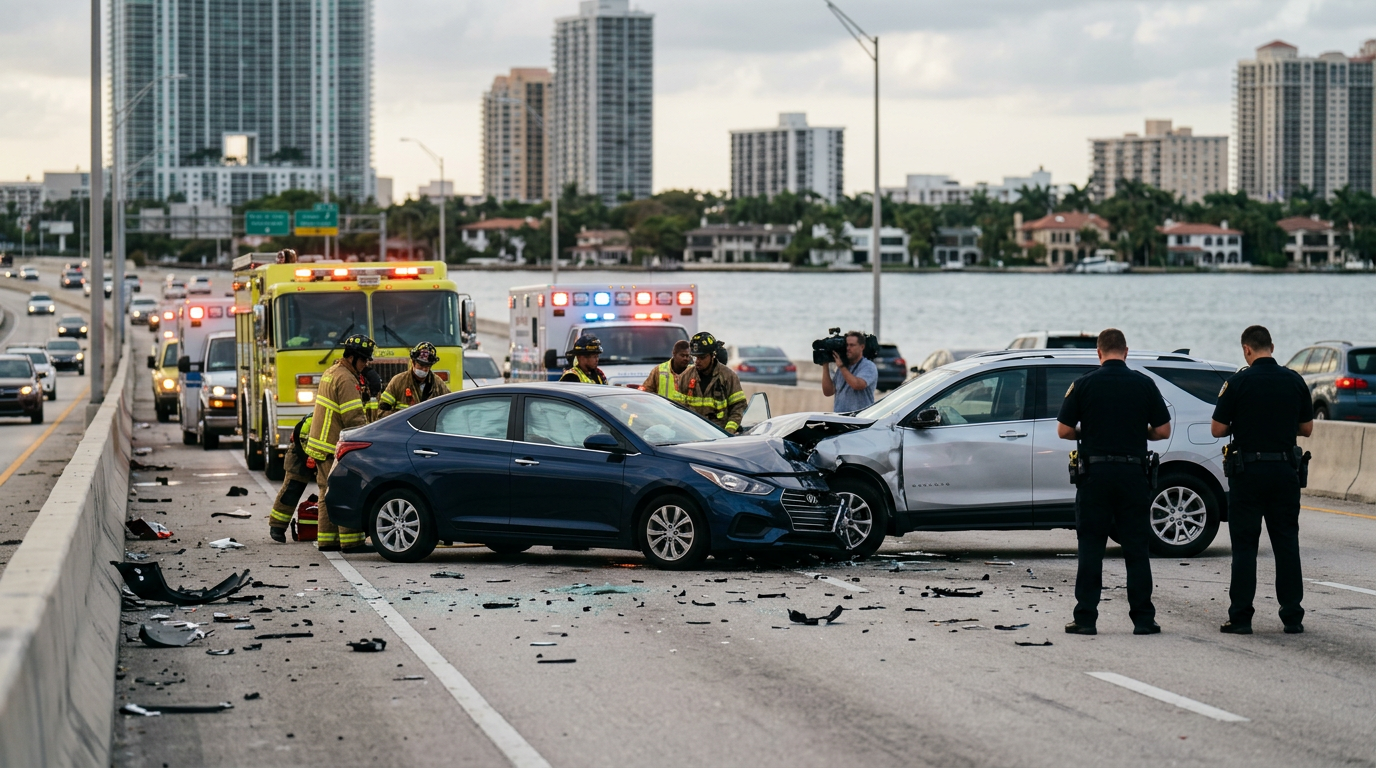
A serious collision unfolded late Tuesday evening in North Miami near the intersection of NE 125th Street and 6th Avenue, as drivers navigated a poorly marked construction zone. According to preliminary reports, a vehicle traveling westbound was forced into a sudden lane shift due to concrete barriers, causing it to strike a rideshare vehicle broadside. The impact sent both cars into a nearby utility pole, resulting in significant property damage and leaving one driver with suspected spinal injuries. Emergency responders arrived quickly, transporting the injured party to a local trauma center for immediate evaluation and stabilization.
The incident occurred in an area where ongoing roadwork has frequently confused motorists, leading to several near-misses in recent weeks. In this specific case, the vehicle struck was active on a popular rideshare platform, which adds a layer of legal complexity to the recovery process. Florida law recognizes that insurance requirements for Transportation Network Companies (TNCs) vary significantly based on the driver's status at the exact moment of the impact. Determining whether the app was merely open or if a passenger was physically present is essential for establishing the available policy limits.
Navigating these claims requires an understanding of Florida Statute § 627.748, which dictates the three distinct periods of rideshare coverage. During 'Period 1,' where a driver is logged into the app but has not yet accepted a ride, coverage limits are often lower, typically providing $50,000 for bodily injury per person. However, once a driver accepts a request or has a passenger in the vehicle—known as 'Period 2' or 'Period 3'—the law mandates a minimum of $1 million in primary third-party liability coverage. For victims in North Miami, identifying the precise 'Period' is the difference between a capped settlement and full restitution.
In the aftermath of such a crash, victims often face immediate pressure from insurance adjusters seeking to categorize the accident in a way that minimizes the company's financial exposure. Because construction zones introduce additional variables like sovereign immunity for contractors or municipal negligence, having a clear record of the rideshare driver's digital activity is paramount. Protecting your rights involves securing electronic logs and dispatch data before they are overwritten or deleted by the platform. Any driver involved in a North Miami rideshare accident should focus on medical recovery while ensuring the specific insurance 'Period' is legally verified through a formal investigation.
Were you involved in a similar Miami crash?
Talk to a Caraccidentmiami.com attorney now — free, confidential, 24/7.
305-244-5883