Pinecrest Commuters Involved in Massive I-95 Pile-Up Facing Complex No-Fault Insurance Threshold Requirements
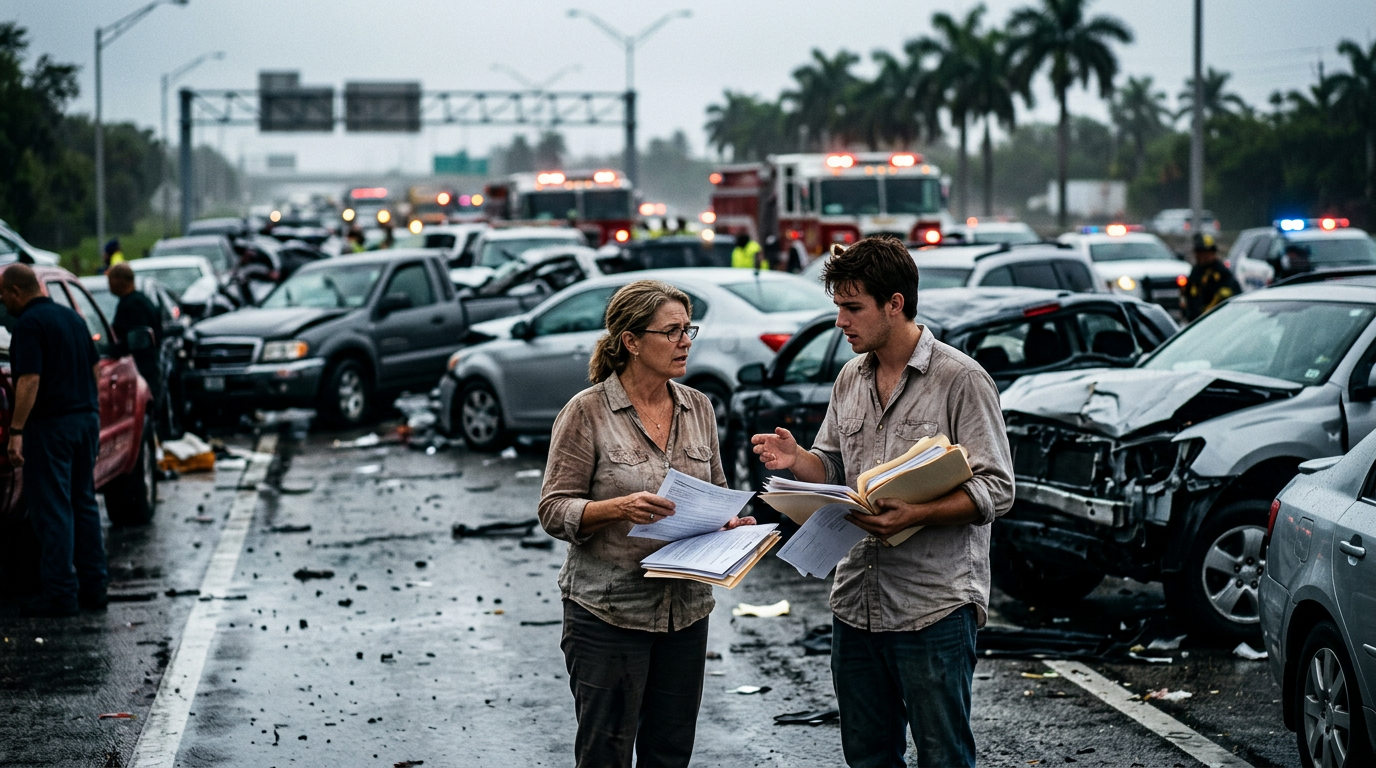
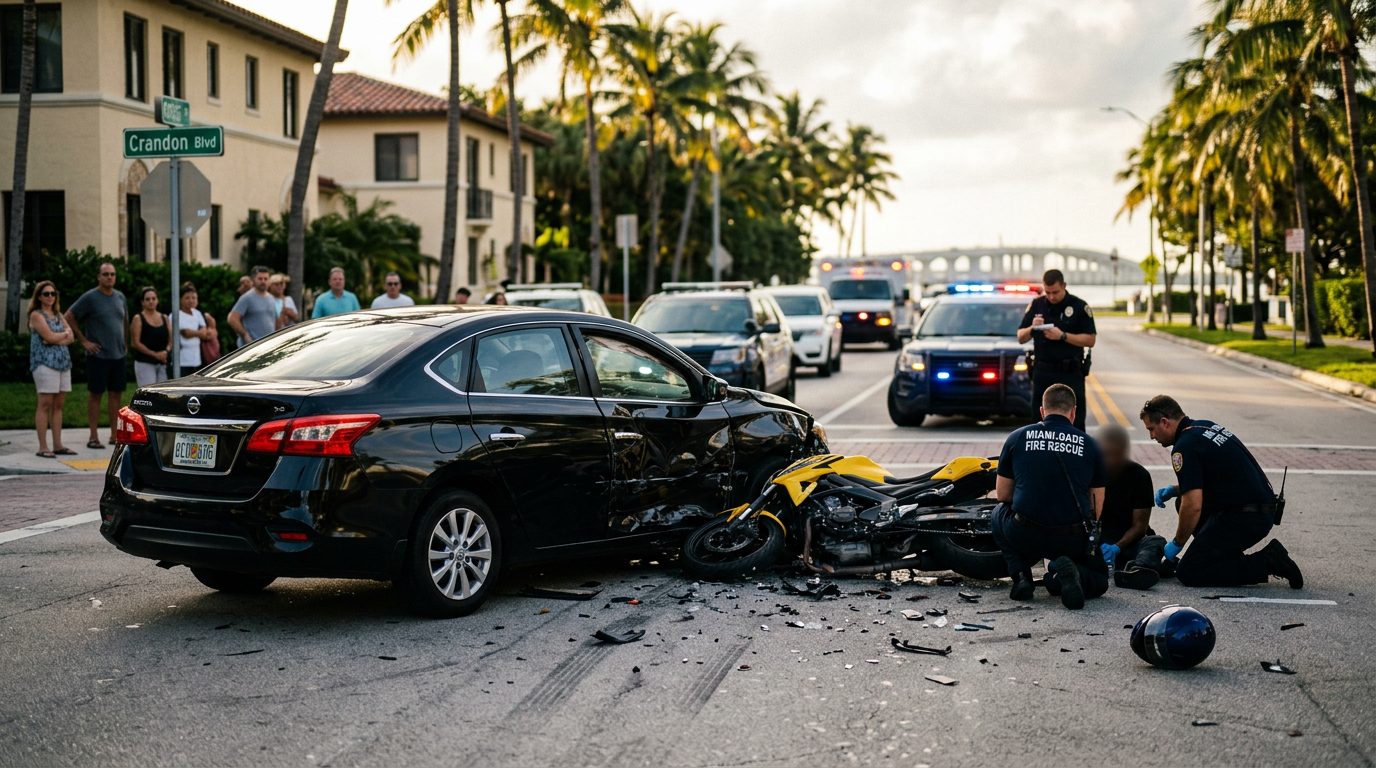
The morning commute turned into a chaotic scene of twisted metal and shattered glass earlier this week as a multi-vehicle pile-up snarled traffic on I-95. The accident occurred during the peak rush hour, involving several commuters traveling from the Pinecrest area toward the urban core. Initial reports from first responders suggest that a sudden slowdown caused a chain reaction, leaving several sedans and SUVs pinned against the concrete median. Paramedics arrived on the scene rapidly, stabilizing multiple drivers before transporting those with the most severe injuries to Jackson Memorial Hospital for emergency evaluation.
Among the wreckage, the physical toll on the drivers was immediately apparent. For many Pinecrest families, the aftermath of such a collision involves more than just property damage; it marks the beginning of a long road to physical recovery. While modern safety features prevented fatalities in this instance, the high-speed nature of I-95 collisions often results in latent spinal injuries and significant soft-tissue damage that may not be fully diagnosed until days after the initial impact. Local authorities remained on-site for several hours to clear the debris, while investigators worked to determine the precise sequence of events that led to the wreckage.
Navigating the legal aftermath of a South Florida pile-up requires an understanding of the specific limitations imposed by state law. Under Florida's no-fault insurance system, every driver carries Personal Injury Protection (PIP) to cover initial medical costs. However, these benefits are often exhausted quickly in a major accident. To pursue a liability claim against a negligent driver for pain and suffering, the victim must meet the 'permanent injury threshold' established in Florida Statute Section 627.737. This law requires proof of significant and permanent loss of a bodily function, permanent injury within a reasonable degree of medical probability, or permanent scarring and disfigurement.
Proving that an injury meets this legal threshold is a critical step for Pinecrest residents seeking full compensation for their losses. Insurance companies frequently argue that injuries are temporary or pre-existing to avoid paying settlements that exceed the standard PIP limits. Consequently, victims must ensure that their medical documentation is meticulous and that every symptom is recorded by specialists from the outset. Without clear clinical evidence that an injury meets the statutory definition of permanency, a victim may find their lead to a recovery blocked by the very laws designed to streamline minor insurance claims.
For those involved in the I-95 pile-up, the immediate priority should be a comprehensive medical examination to identify any underlying trauma that qualifies under Florida's injury threshold. It is essential to retain all discharge papers from the Ryder Trauma Center or local clinics, as these documents form the evidentiary basis for any future legal action. Victims should refrain from giving recorded statements to adjusters until the full extent of their physical impairment is understood, as those early admissions can be used to downplay the long-term impact of their injuries.
Were you involved in a similar Miami crash?
Talk to a Caraccidentmiami.com attorney now — free, confidential, 24/7.
305-244-5883