Serious Hialeah Hydroplane Accident on US-1 Raises Questions of Shared Liability Under Florida Law
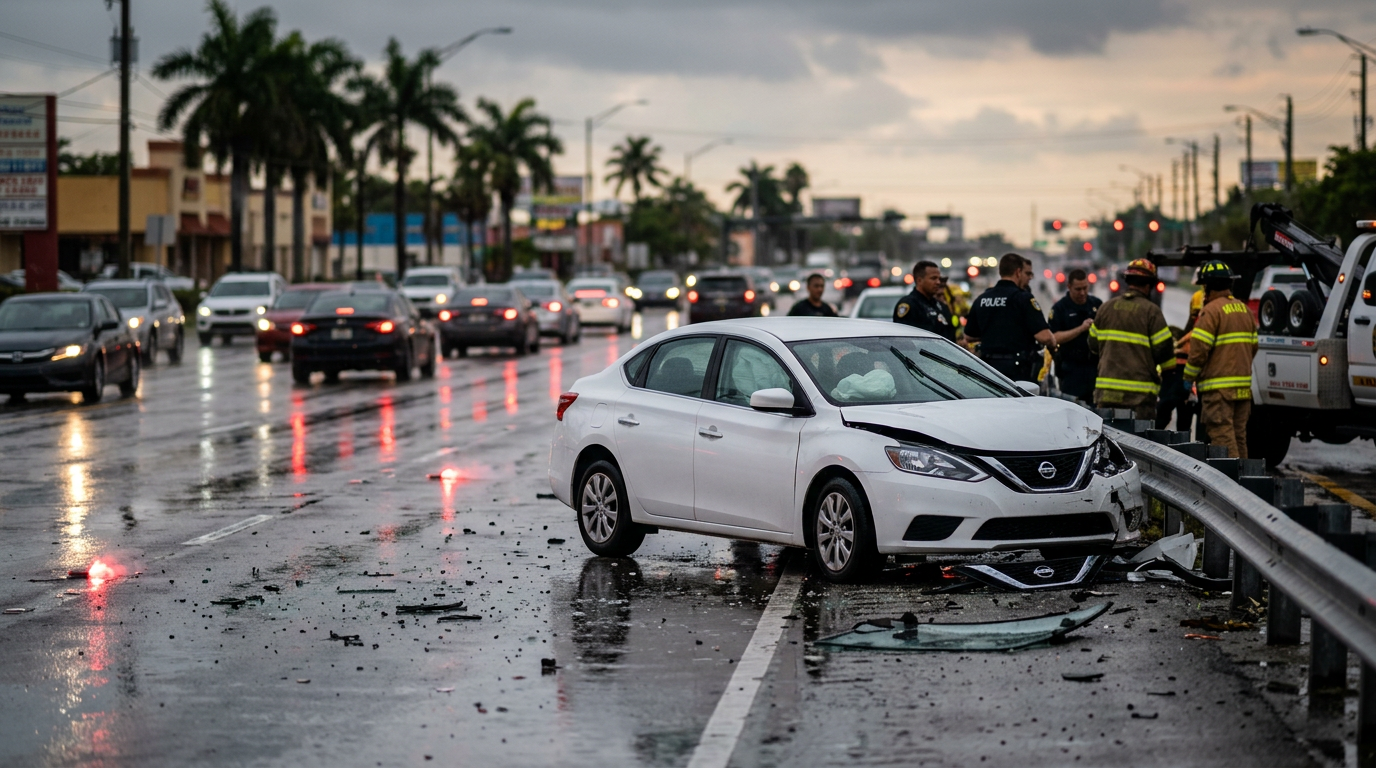
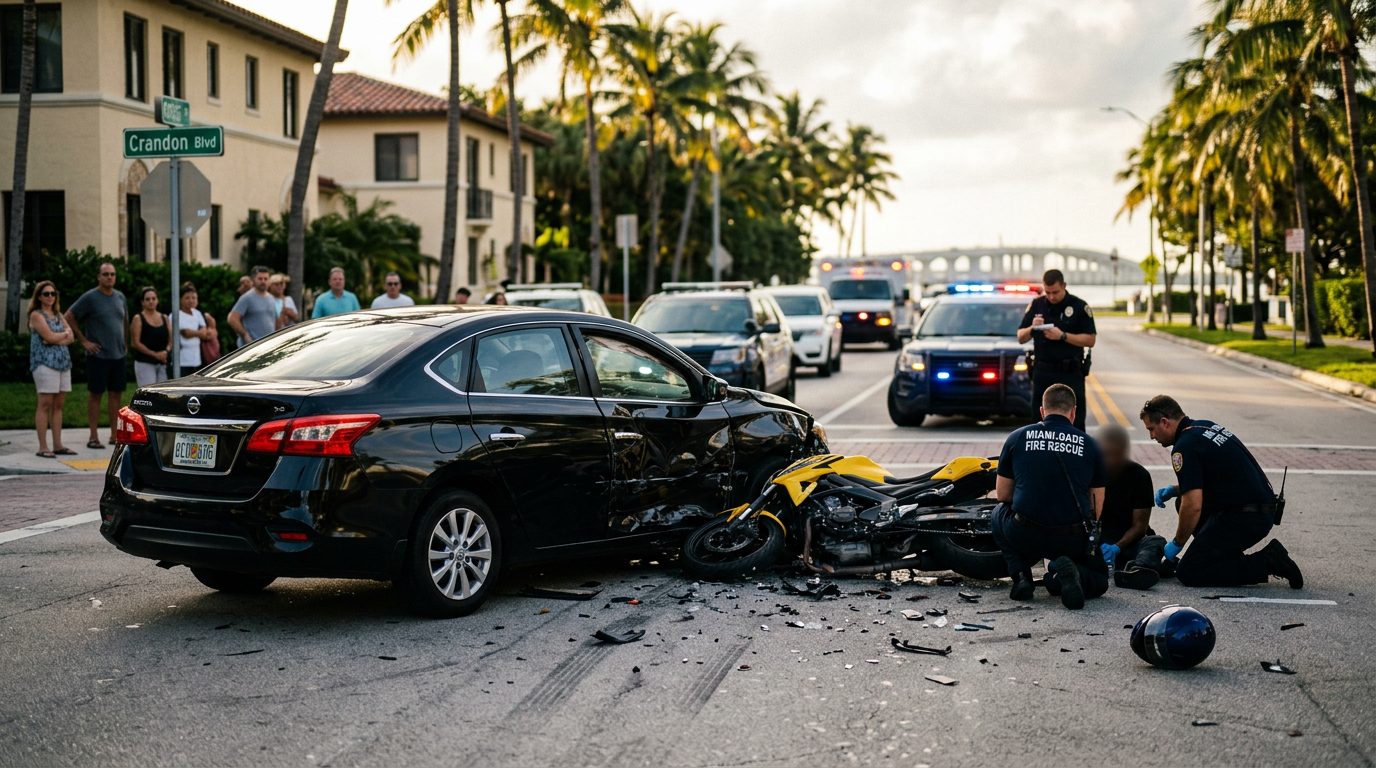
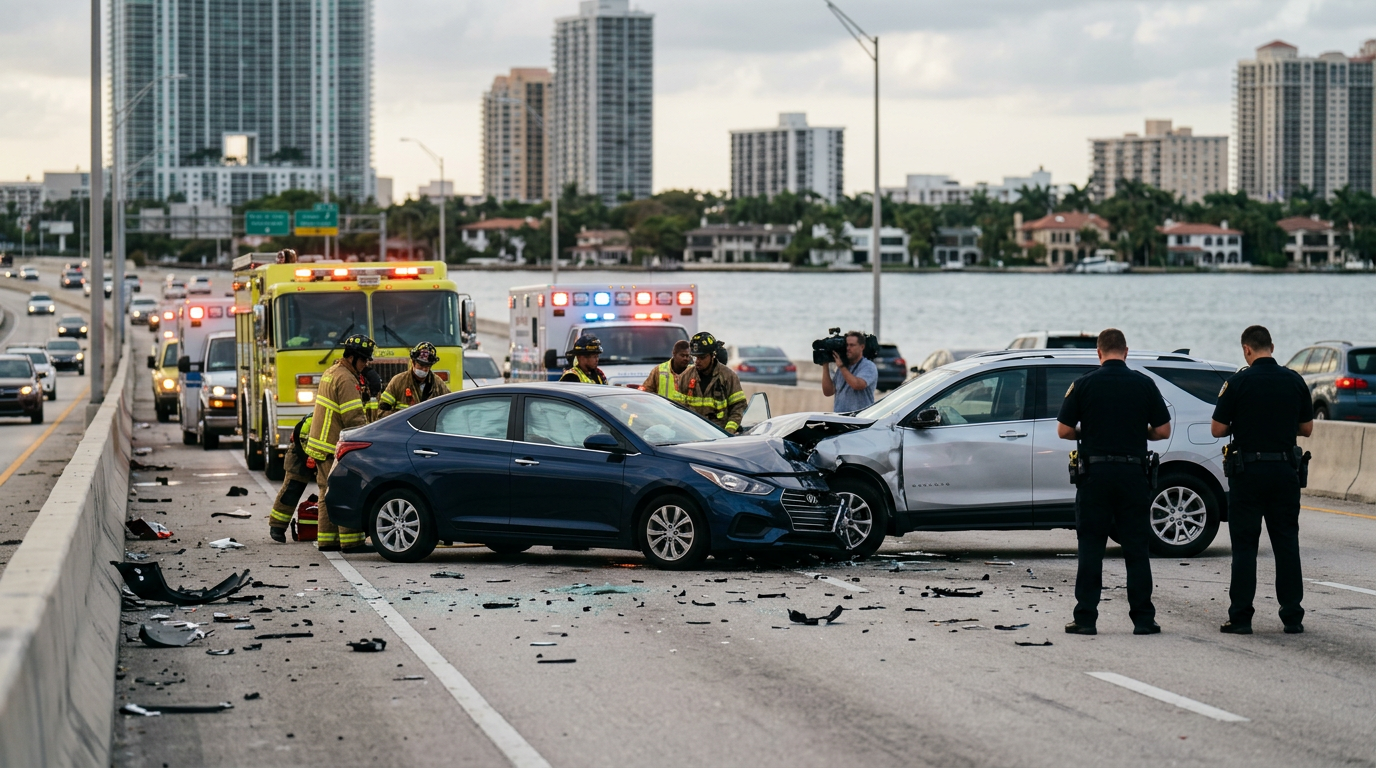
A multi-vehicle collision disrupted traffic in Hialeah yesterday afternoon as heavy tropical rains turned US-1 into a hazardous corridor. Witnesses reported that a sedan traveling southbound appeared to lose traction on the standing water, hydroplaning across two lanes before striking an SUV. The force of the impact sent both vehicles toward the median, causing significant front-end damage and forcing the closure of several blocks. Hialeah emergency responders arrived quickly to stabilize the drivers, eventually transporting one individual to Jackson Memorial Hospital with injuries that, while serious, were reported as non-life-threatening.
Road conditions during Miami’s frequent downpours create a complex environment for determining liability. While the rain is a natural factor, the law focuses on whether drivers adjusted their speed and following distance to account for the reduced visibility and slick pavement. Insurance adjusters often look for any sign of speeding or distracted driving to shift blame away from their clients. In cases like this Hialeah crash, the physical evidence at the scene—such as tire tread depth and skid marks—becomes critical in reconstructing the final seconds before the impact and identifying the primary cause of the loss of control.
The legal implications of this crash are governed by Florida’s recently updated statutes regarding negligence. Under the modified comparative negligence system established by Florida Statute Section 768.81, an injured person can only recover damages if they are found to be 50 percent or less at fault for the incident. If a jury determines that a driver was 51 percent or more responsible for the hydroplaning event—perhaps due to excessive speed for conditions—they are legally barred from collecting any compensation from other parties. This high threshold makes the meticulous collection of evidence essential for anyone seeking to prove they were not the majority cause of their own injuries.
For those injured in Hialeah or on any Miami roadway during inclement weather, the immediate aftermath is a race against time to preserve facts. Evidence like dashcam footage, witness statements, and vehicle telematics can counter allegations that a driver was primarily at fault for a weather-related slip. It is vital for victims to understand that an initial police report is not the final word on liability; rather, it is the start of a deep factual investigation. Protecting your right to recovery means ensuring that a rainy day does not result in an unfair assignment of majority blame that would forfeit your ability to pay for medical bills and lost wages.
Hialeah crash hotspots, hospitals & Florida law
Dense residential grid — high pedestrian volume, uninsured-driver rate above county average.
Were you involved in a similar Miami crash?
Talk to a Caraccidentmiami.com attorney now — free, confidential, 24/7.
305-244-5883