Serious Miami Beach Merge Collision on Palmetto Expressway Highlights Need for Digital Evidence Preservation
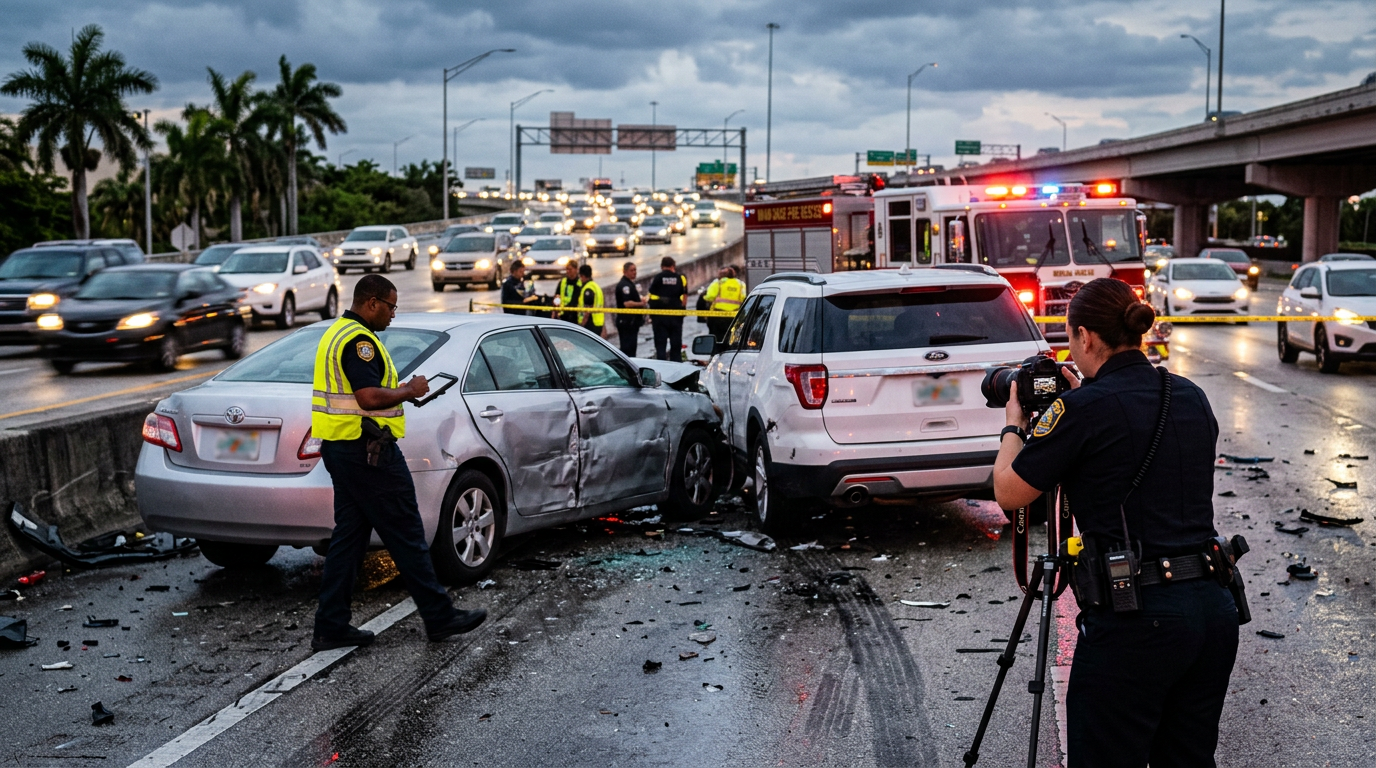
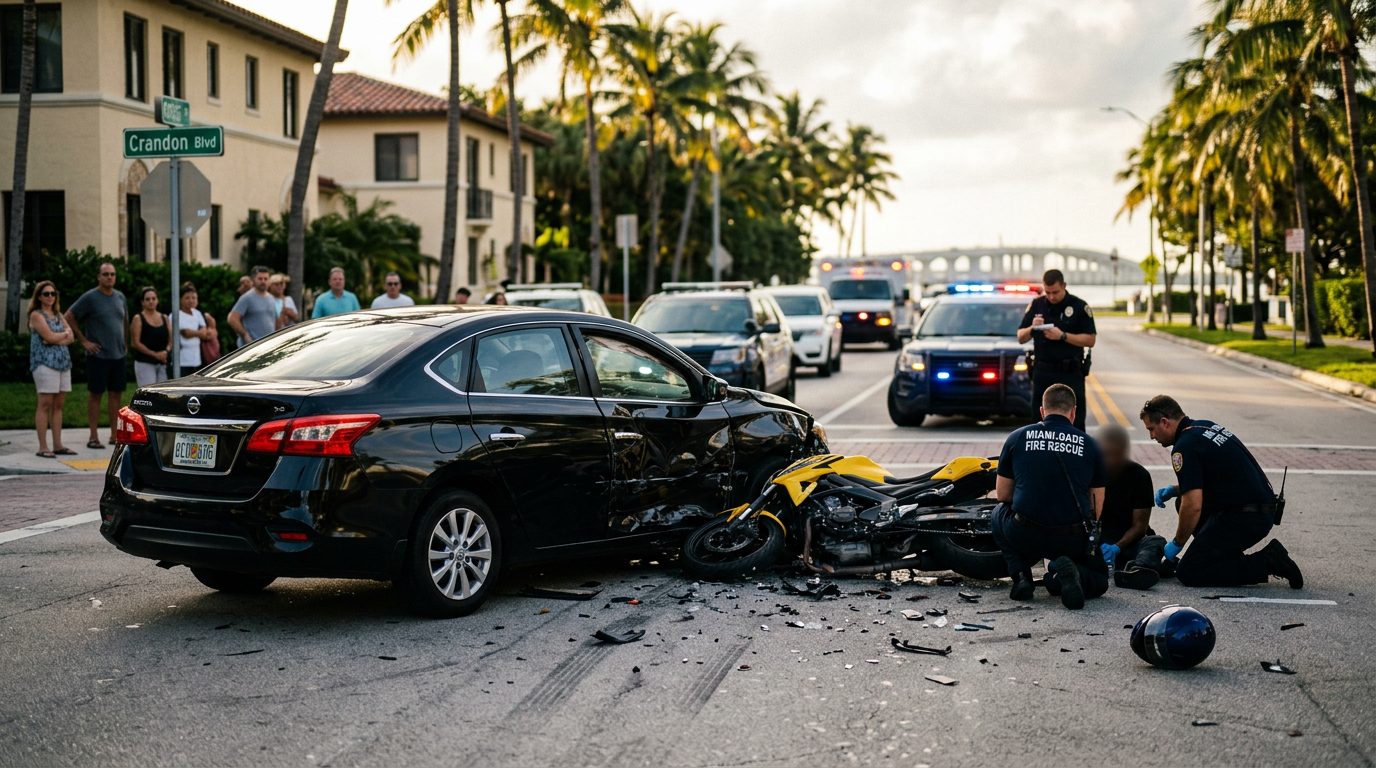
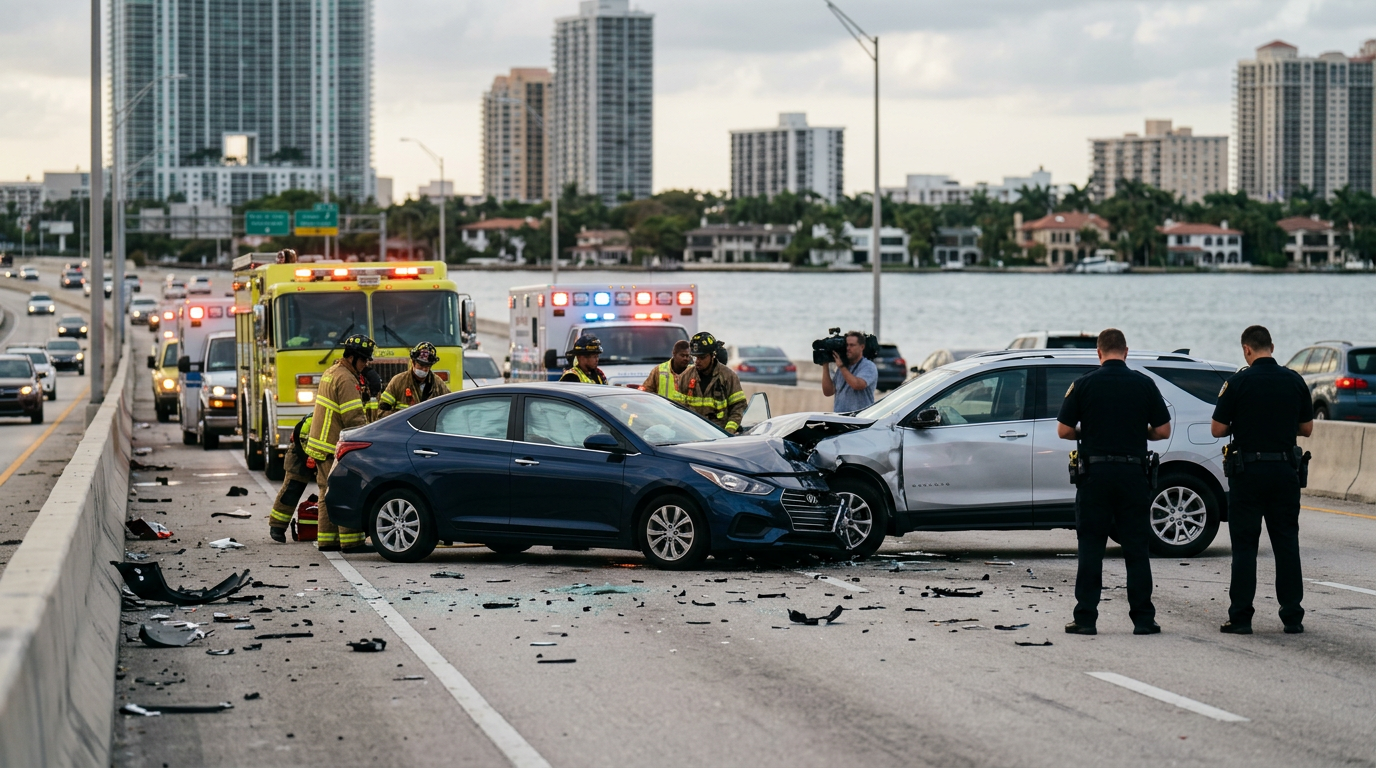
A chaotic scene unfolded Tuesday morning on the Palmetto Expressway (SR-826) near the Miami Beach access ramps when a late-model sedan attempted to merge into northbound traffic. According to preliminary reports, the driver of the sedan lost control while navigating the accelerating lane, clipping a commercial delivery truck and spinning into two other passenger vehicles. Emergency responders from Miami-Dade Fire Rescue arrived shortly after 9:00 a.m. to find multiple vehicles with significant frame damage blocking three lanes of travel. Several individuals were transported to Jackson Memorial Hospital for evaluation of injuries ranging from spinal strain to concussions.
While investigators are currently reviewing the physical evidence at the scene, determining the exact sequence of events in a merge-related crash remains legally complex. On high-speed thoroughfares like the Palmetto, the difference between a successful merge and a catastrophic collision often comes down to milliseconds of reaction time and precise vehicle speeds. For those injured in these North Miami Beach corridors, the challenge lies in proving that the other driver breached their duty of care. Eyewitness accounts are notoriously unreliable in high-speed crashes, making objective technical data the cornerstone of any successful personal injury claim.
Florida law allows victims to secure critical evidence through the use of formal spoliation letters. These legal notices are sent to insurance companies and fleet owners to prevent the intentional or negligent destruction of relevant records. In modern vehicles, this primarily includes data from the Electronic Control Module (ECM), often referred to as the car's 'black box.' This hardware records pre-crash speeds, braking patterns, and steering angles. Without a prompt legal demand, this data may be overwritten or lost during vehicle repairs, making it nearly impossible for an injured party to prove that a defendant was speeding or failed to brake prior to the impact.
Beyond the ECM, dashcam footage from surrounding vehicles and commercial trucks has become a vital tool in Miami Beach accident litigation. Under the doctrine of evidence preservation, once a party is on notice of a potential claim, they have a legal obligation to maintain digital files that could serve as evidence. This is particularly crucial when dealing with commercial carriers whose internal policies might involve deleting cab-mounted camera footage after a set number of days. Securing this footage through a formal legal hold ensures that the technical reality of the crash is preserved for a jury to evaluate.
For those recovering from an expressway collision, the immediate priority should be the technical lockdown of all crash data. Florida accident victims must ensure that a spoliation letter is issued to all involved parties before a vehicle is scrapped or the onboard computer is reset. Protecting your rights after a crash on the Palmetto means more than just filing a claim; it requires a proactive strategy to freeze the digital record before it disappears, ensuring that the technology meant to protect us also serves to provide an accurate account of the negligence that occurred.
Were you involved in a similar Miami crash?
Talk to a Caraccidentmiami.com attorney now — free, confidential, 24/7.
305-244-5883