Serious Rear-End Chain Reaction in Doral Raises Questions Over Complex Rideshare Insurance Coverage Limits

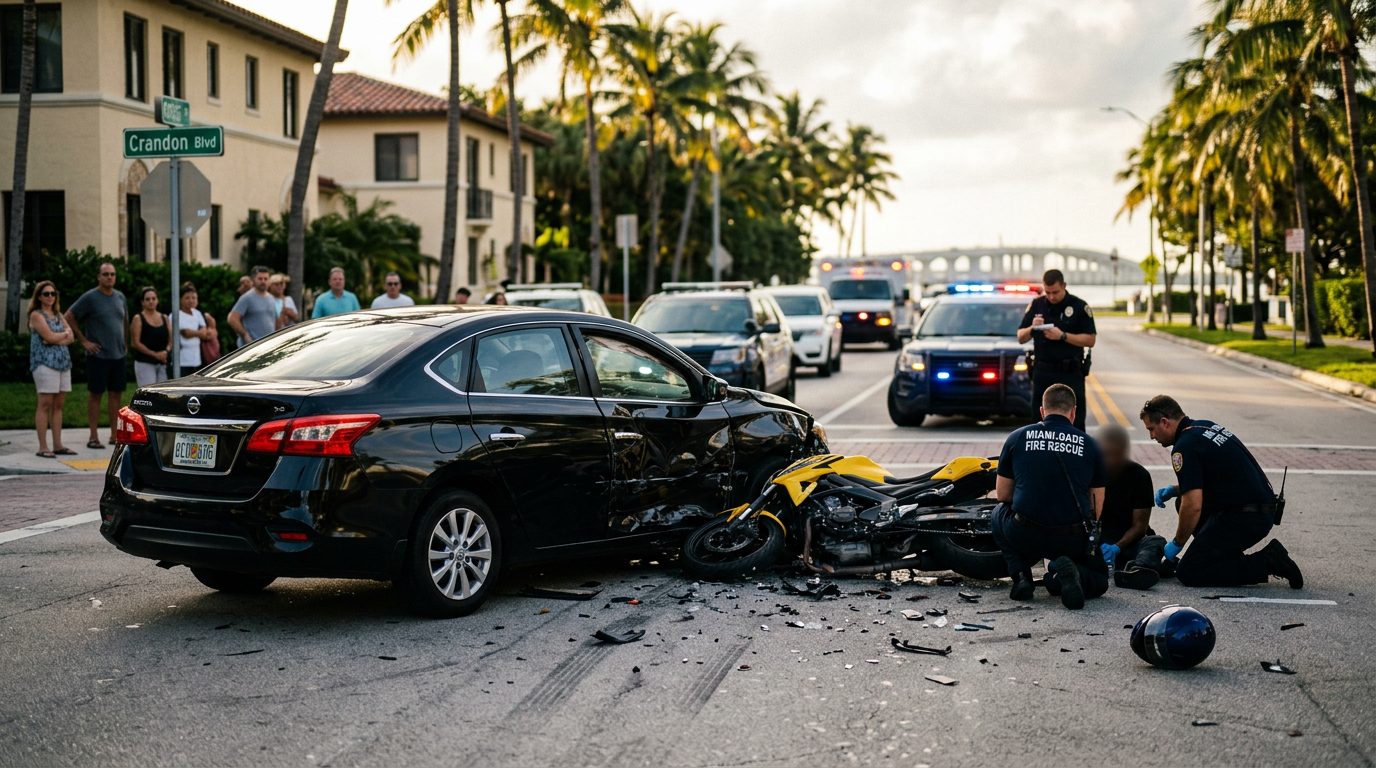
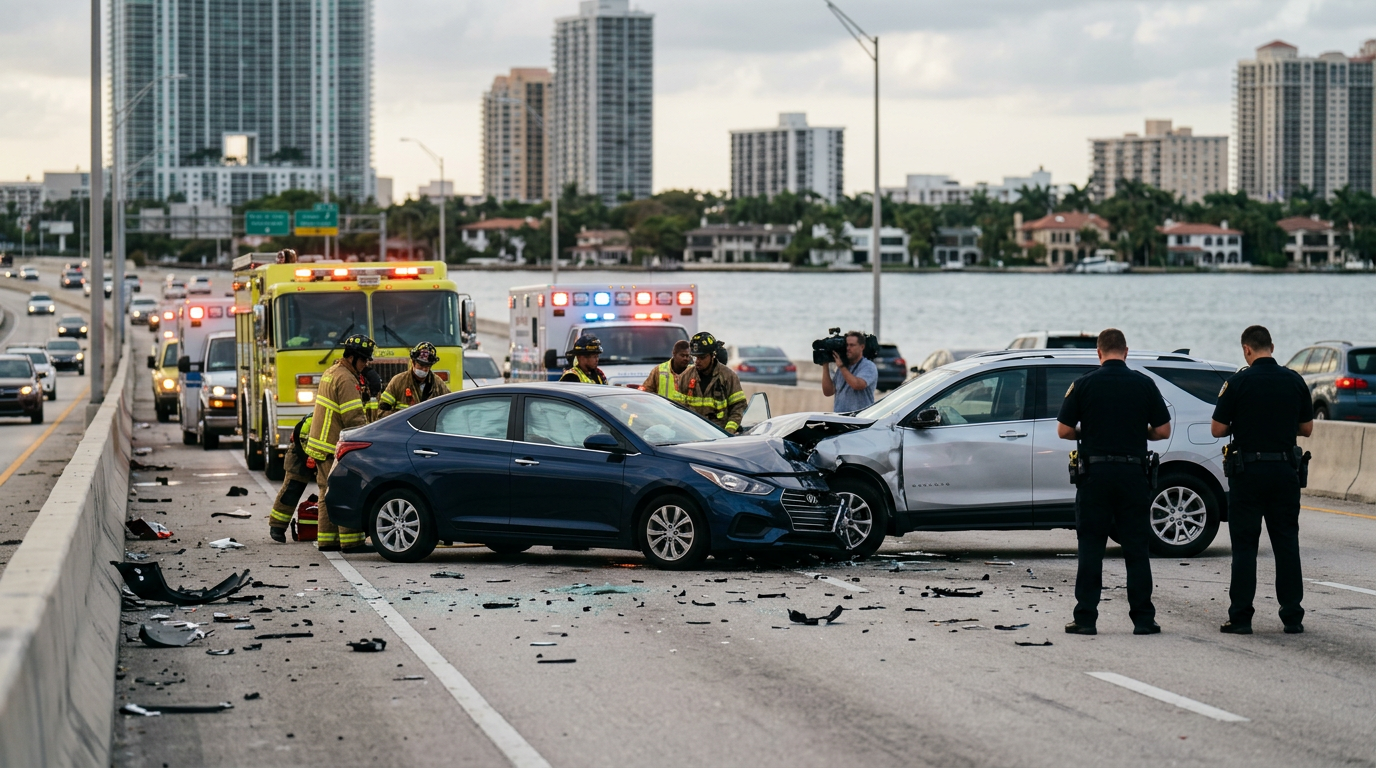
A Key Biscayne resident returning from a business meeting in Doral was caught in a significant multi-vehicle collision Tuesday afternoon on Northwest 87th Avenue. The incident occurred when a driver allegedly failed to slow down for congested traffic, triggering a chain reaction that pushed three vehicles into one another. While most drivers were able to exit their cars, one victim required transport to a local trauma facility due to suspected spinal injuries. Investigating officers noted that traffic was particularly heavy at the time, a common occurrence in this industrial corridor known for its high volume of commercial and passenger vehicles.
The complexity of this specific accident stems from the involvement of a driver operating on a popular rideshare platform. In Florida, determining who pays for medical bills and vehicle damage depends heavily on the driver's status at the precise moment of impact. Under Florida's insurance statutes, coverage is divided into three distinct phases known as Periods 1, 2, and 3. Period 1 occurs when the app is on but no ride is accepted; Period 2 begins when a ride is accepted; and Period 3 is the duration of the trip with a passenger. This distinction is critical for victims seeking full compensation under the mandatory high-limit policies required for the later stages.
For the Key Biscayne commuter and others involved in the Doral crash, the difference between these periods can mean hundreds of thousands of dollars in available coverage. While Period 1 may only require $50,000 for bodily injury, Periods 2 and 3 mandate at least $1 million in primary third-party liability coverage. Rideshare companies often attempt to categorize drivers into lower-coverage periods to minimize payouts. Without clear digital evidence from the app's server logs, a victim might be forced to rely on their own personal injury protection (PIP) or underinsured motorist policies, which may not cover the full extent of a long-term recovery.
Securing a recovery after a Doral chain-reaction crash requires more than just a police report; it requires a forensic look at cellular data and app timestamps to verify which insurance tier applies. Victims of such accidents should immediately document their physical symptoms and ensure that the ride status of any commercial driver is officially flagged in the accident record. Ensuring that the correct insurance period is identified early is the only way to protect your right to the $1 million coverage limit provided by Florida law for rideshare-related injuries. If you are struck by a driver using an app, your first priority must be establishing their exact status at the time of the collision.
Were you involved in a similar Miami crash?
Talk to a Caraccidentmiami.com attorney now — free, confidential, 24/7.
305-244-5883