Chain Reaction Doral Trucking Collision Near Miami Beach Raises Federal Safety Standards Compliance Concerns
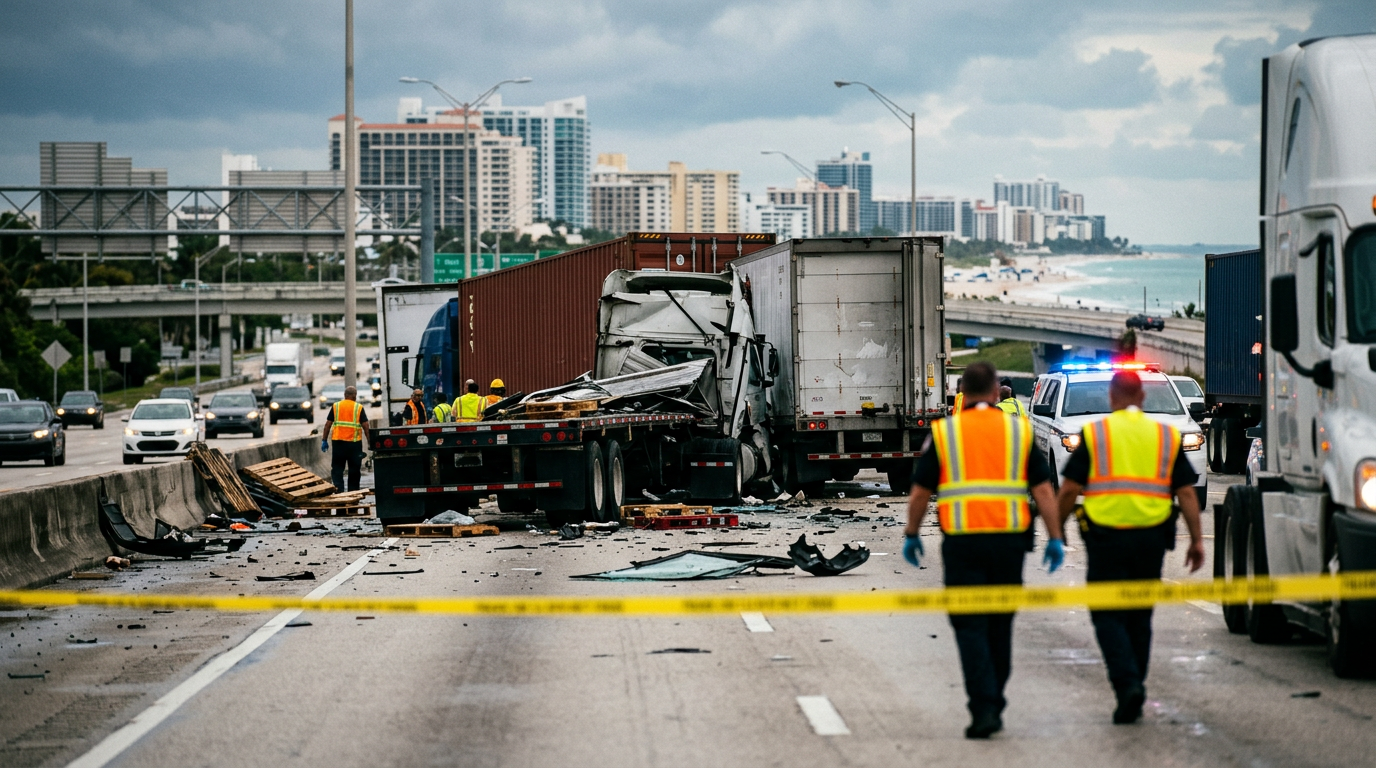
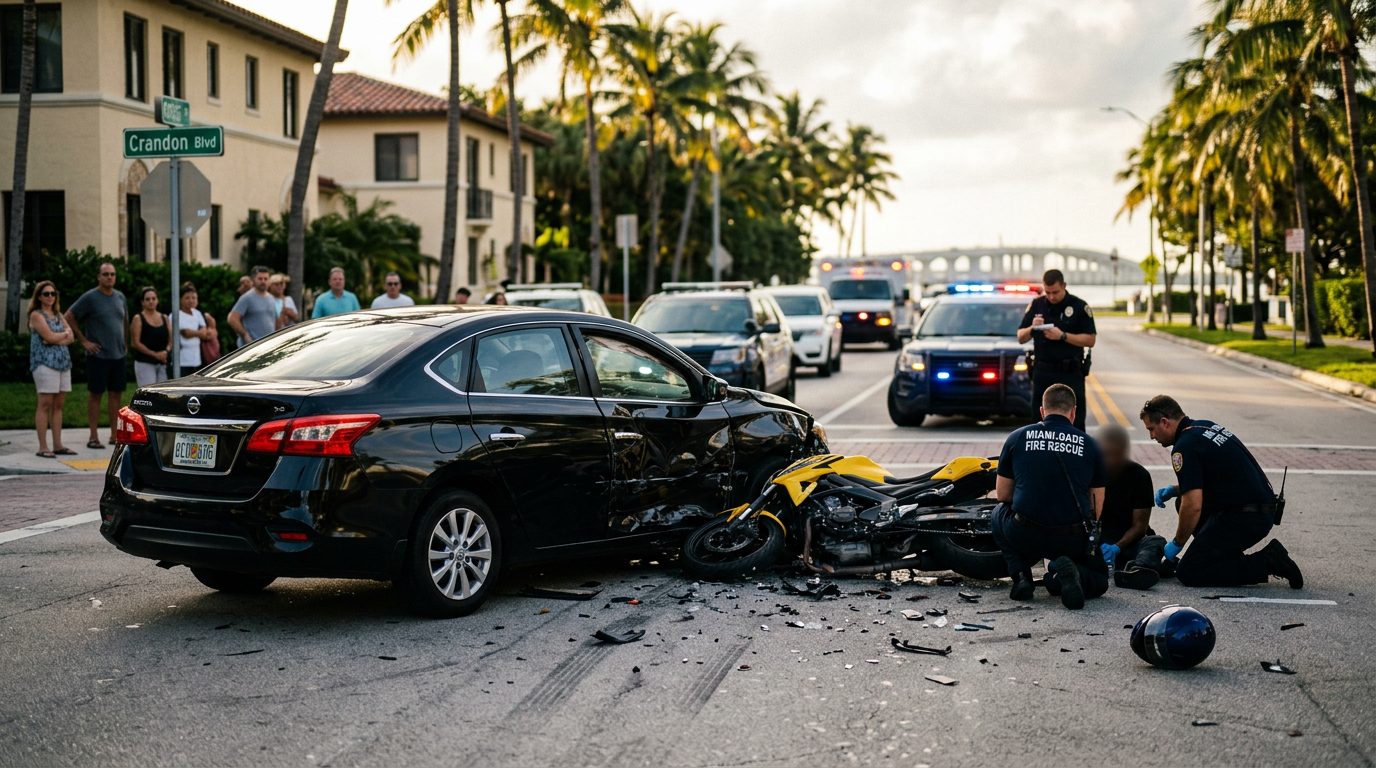
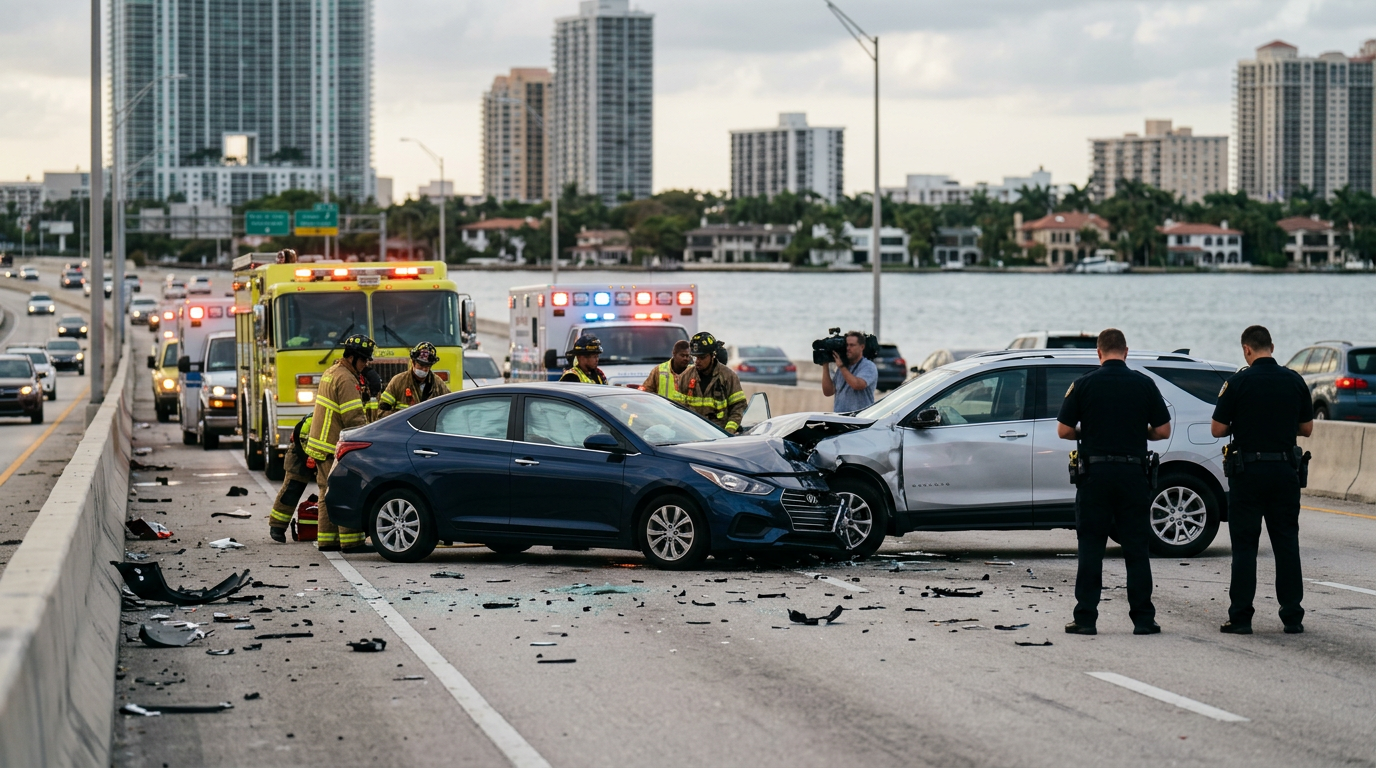
A chaotic scene unfolded Tuesday near the border of Doral when a large commercial freight truck failed to slow for congested traffic, triggering a violent chain-reaction collision that impacted several passenger vehicles. The heavy-duty carrier struck a sedan from behind, propelling it into a parked SUV and creating a pileup that snarled traffic for hours. Local emergency crews arrived shortly after to find significant vehicle damage and multiple motorists reporting neck and back pain from the force of the rear-end impacts. At least two victims were transported to Jackson Memorial Hospital for further evaluation of their injuries.
While the initial collision occurred in the Doral area, many of the impacted drivers were Miami Beach residents commuting through the industrial corridor. In these heavy-vehicle incidents, the legal landscape shifts significantly compared to standard passenger car accidents. The sheer mass of a commercial truck means that even low-speed errors can result in catastrophic physical trauma. When a heavy transporter is involved, investigators must look beyond simple traffic citations to determine if the logistics company adhered to the rigorous safety standards required for operating such a vehicle on public roads.
Central to this case is the application of the Federal Motor Carrier Safety Regulations (FMCSR), specifically those found under 49 CFR Parts 300-399. These federal mandates govern everything from driver rest periods and logbook accuracy to mandatory vehicle maintenance and cargo loading procedures. In South Florida trucking cases, a violation of these federal standards can serve as powerful evidence of negligence. If a carrier allows a fatigued driver to operate a rig or fails to maintain an adequate braking system, they may be held strictly liable for the resulting damages under both state and federal law.
Developing a successful claim after a trucking accident requires meticulous preservation of evidence, including the truck's electronic logging device data and maintenance records. Victims must understand that trucking corporations often deploy rapid-response teams to the scene to minimize their liability. Under Florida law and federal guidelines, injured parties have the right to hold these companies accountable for medical expenses and lost wages. Any driver involved in a commercial collision should immediately request a full inspection of the carrier's safety logs to ensure that federal compliance was maintained prior to the crash.
Were you involved in a similar Miami crash?
Talk to a Caraccidentmiami.com attorney now — free, confidential, 24/7.
305-244-5883