Coral Gables Merge Crash on Palmetto Expressway Raises Critical PIP Insurance Questions for Non-Motorists

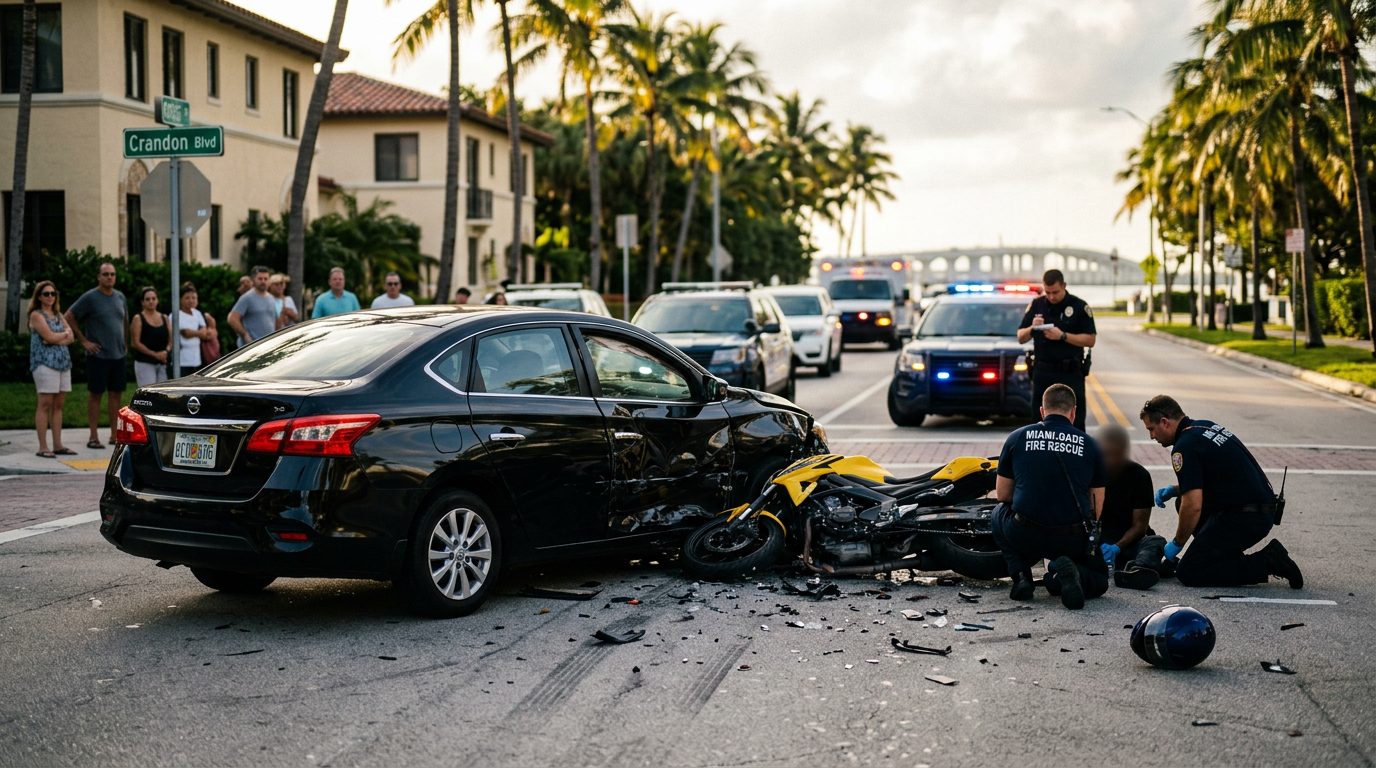
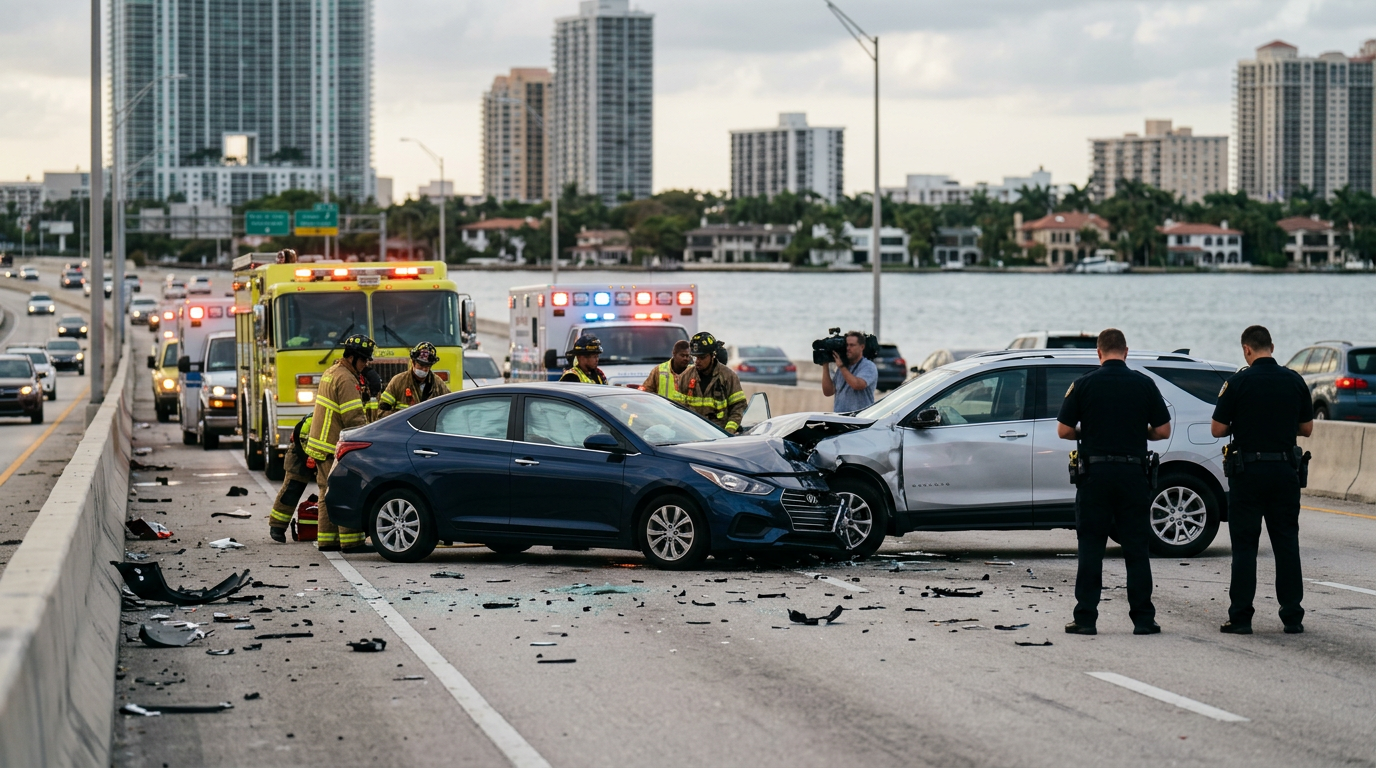
A chaotic scene unfolded Tuesday morning along the northbound lanes of the Palmetto Expressway (SR-826) near the Coral Gables exit. According to reports from the scene, a sedan attempting to merge into high-speed traffic clipped the rear of a delivery truck, causing a secondary collision that forced one vehicle onto the shoulder. While medical teams from local response units treated the drivers involved, the incident also posed a grave risk to a pedestrian who was standing near the breakdown lane following a minor mechanical issue with their own bicycle. The resulting debris field shut down multiple lanes for hours as Florida Highway Patrol investigators documented the skid marks and impact points.
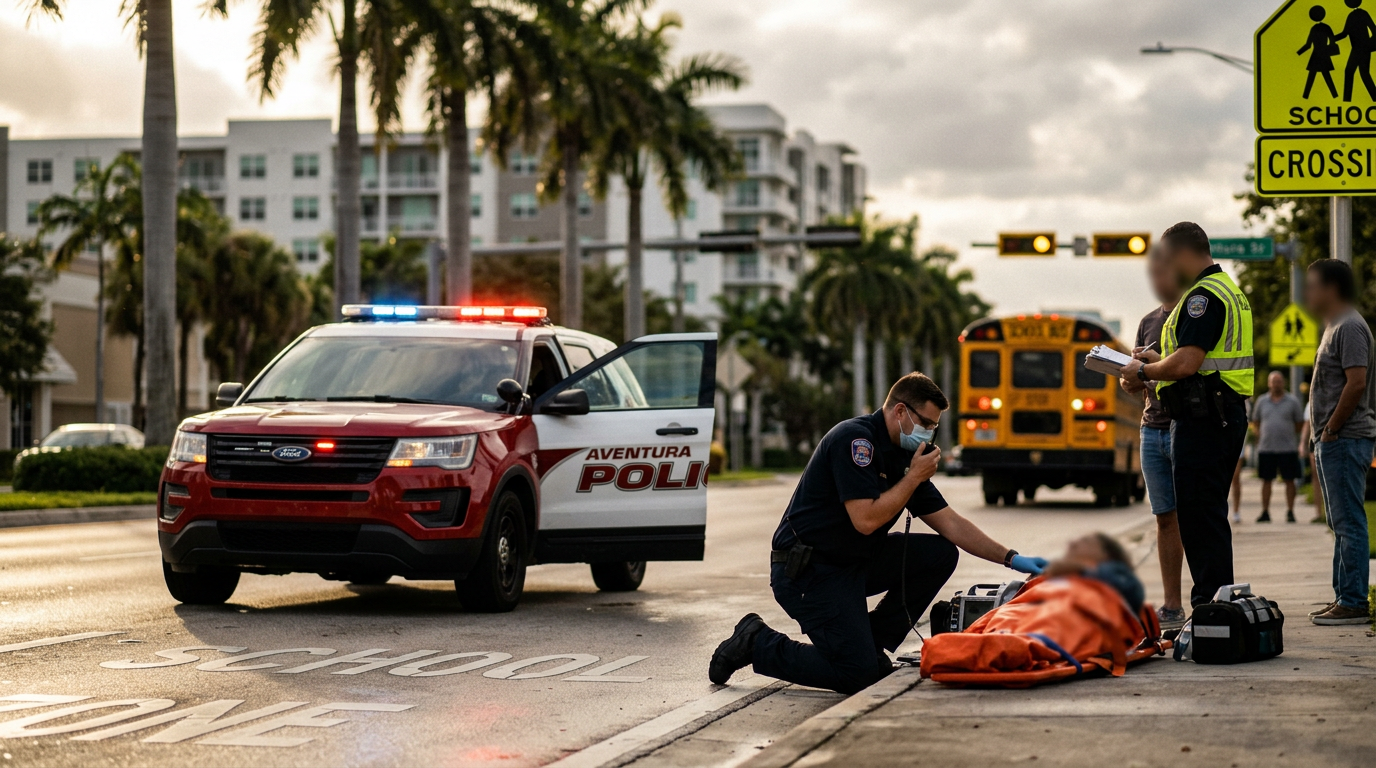
Victims of such high-speed collisions are often rushed to Jackson Memorial Hospital or the Ryder Trauma Center, where medical bills begin to accumulate before they even leave the emergency room. In the confusion of a highway crash, many residents assume that insurance coverage is only available to those who were inside a motor vehicle at the moment of impact. However, Miami-Dade County transit patterns often place cyclists and pedestrians in close proximity to dangerous expressway on-ramps. When these individuals are struck or injured by a vehicle, the path to securing immediate payment for emergency medical care can be complex but is strictly governed by Florida's no-fault insurance framework.
Florida law provides a vital safety net for those who are not in a car but are injured by one. Under Florida Statute 627.736(4)(d)(1), Personal Injury Protection (PIP) benefits are required to be paid by the insurer of the owner of a motor vehicle if the accident causes bodily injury to a person who is not an occupant of a self-propelled vehicle, provided that individual is hit by the insured vehicle. This means that a pedestrian or bicyclist in Coral Gables may be entitled to up to $10,000 in medical and disability benefits from the striking driver's policy, even if the victim does not own a car or have their own auto insurance policy.
This statutory provision is essential for ensuring that vulnerable road users can access the $2,500 or $10,000 in emergency benefits they need to cover diagnostic tests and initial stabilization. Without a clear understanding of these insurance mandates, many injured pedestrians inadvertently waive their rights by failing to seek treatment within the strictly enforced 14-day window required by Florida law. Determining which policy is primary and how to file a claim against a driver’s PIP coverage requires a careful review of the police report and the specific insurance certificates involved in the expressway incident.
For anyone injured while walking or cycling near a Northbound SR-826 merge, the most critical step is ensuring the police report accurately reflects your status as a non-occupant of a vehicle. Because PIP claims are subject to rigorous deadlines and specific medical coding requirements, victims should prioritize obtaining an 'emergency medical condition' (EMC) certification from a qualified physician. This certification is the difference between accessing the full $10,000 limit or being capped at a much smaller fraction of your available benefits. Documenting every interaction with the scene and maintaining a log of all medical providers ensures that the 627.736 statutory protections are fully utilized.
Coral Gables crash hotspots, hospitals & Florida law
Roundabouts, banyan-canopied turns, US-1 spillover — left-turn and rear-end heavy.
Were you involved in a similar Miami crash?
Talk to a Caraccidentmiami.com attorney now — free, confidential, 24/7.
305-244-5883